Reviving Agriculture in Syria: A Local Seed Initiative Comes to Life
Originally published on Global Voices
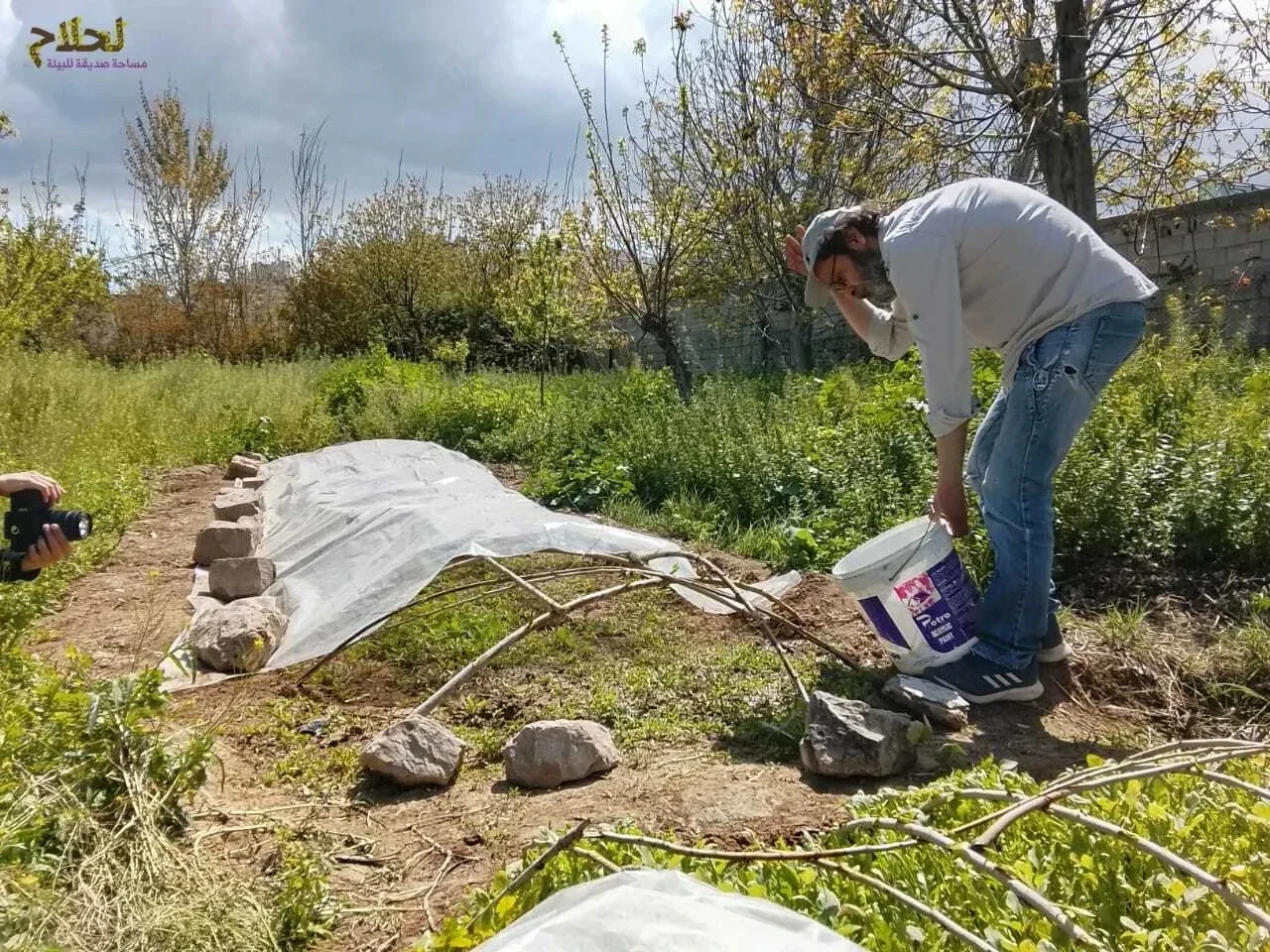
The Solidarity Fields in Jaramana initiative is an extension of the “Solidarity Fields and Dignity” project. Picture by Lahlah. Used with permission.
By Leida Zeidan
This post is part of Global Voices’ May 2026 Spotlight series, “Global crisis, local solutions.”
Restoring Roots: The Push for Local Seed Production in Post-War Syria
In the wake of conflict, the agricultural landscape of Syria has faced devastation unlike any other. As rural populations plummeted and traditional farming practices waned, a new initiative on the outskirts of Damascus called the “Solidarity Fields in Jaramana” aims to revive local agriculture by focusing on the restoration of indigenous seed production. This initiative is anchored in empowerment, self-sufficiency, and a commitment to community resilience amid significant economic decline and environmental pressures.
The Genesis of Solidarity Fields
Launched in March 2026, the Solidarity Fields initiative is more than just a farming project; it's a response to the urgent need for sustainable agricultural practices within a region heavily scarred by war. Built upon the foundation of the “Solidarity Fields and Dignity” project started in 2025 by Suleiman Dakdouk in Greece, this initiative recognizes the profound connection between people and the land in rebuilding food security.
At the helm is Muhannad Deeb, an artist turned agricultural advocate, who identifies this convergence of efforts as vital to addressing Syria's agricultural crisis. His collaboration between the Shughl wa Fan initiative and Solidarity Fields facilitates a vision that extends beyond just farming; it engages community members, artists, and volunteers in a reimagined approach to agriculture.
The Role of Local Seeds in Food Security
The focus on local seeds is crucial, especially given that these seeds represent a dependable source for farmers who have struggled to maintain production. According to the Food and Agriculture Organization (FAO), community-based seed systems account for a significant portion—between 80 to 90 percent—of seeds used for self-pollinated crops. Local seeds are specifically adapted to their environments, allowing for resilience against climatic changes and diseases. This adaptability becomes especially important in conflict-affected areas where food aid might not always be accessible.
Deeb emphasizes that "local seeds sourced from community gardens help farmers reconnect with agricultural heritage," enabling them to cultivate varieties that thrive in local conditions. Out of approximately 300 dunams (or 75 acres) allocated for this initiative, these seeds will be cultivated to create a sustainable source of food, facilitating a return to farming as a central part of life for many.
Impact of the Syrian Conflict on Agriculture
Syria's protracted conflict has severely destabilized its agricultural sector. Reports indicate a staggering 50% reduction in the rural population from 2011 to 2016, resulting in catastrophic losses of crop yields, livestock, and agricultural infrastructure. The blockade on certain regions has further hampered access to critical agricultural inputs, relegating many farmers to depend on imported seeds that may not suit local conditions, thereby jeopardizing sustainability.
Deeb asserts that challenges such as rising costs for fertilizers and a scarcity of local seeds have crippled farmers. "This initiative aims to foster a community of practice," he notes, stressing that cultivating local seeds not only reduces reliance on expensive inputs but also reinstills a sense of agency among farmers by allowing them to grow crops that are inherently attuned to their environment.
Indigenous Seeds and Future Farming Practices
The implications of the Solidarity Fields initiative extend beyond immediate food security; they influence the broader agricultural practices of Syrian farmers. Deeb believes that as local seeds gain recognition and acceptance, they may promote a shift toward more sustainable methods of cultivation. By minimizing the use of chemical pesticides and fertilizers, this grassroots movement could redefine agricultural economics in Jaramana and beyond.
Engaging farmers in experimental farming circles could increase the practicality and popularity of indigenous seeds. If farmers witness measurable improvements in crop yields and resilience through the adoption of local seeds, they'd be more inclined to incorporate these practices permanently. The initiative functions as a living laboratory, one where successes and learnings can be shared among community members to amplify impact.
The Path Ahead: A Sustainable Future for Syrian Agriculture
The comprehensive strategy employed by Solidarity Fields aims to create a framework for sustainable farming that aligns with local needs and environmental conditions. It's not just about immediate yields; it’s about rebuilding relationships between people and their land in a post-conflict setting. The project stands to offer critical insights into how communities can reclaim agricultural practices, foster biodiversity, and build resilience in the face of climatic and economic challenges.
As the initiative develops, it will be essential to monitor its impact on local food systems and community cohesion. This approach could serve as a model for other regions grappling with agricultural setbacks, illuminating pathways toward self-sufficiency and ecological stewardship. The real story here isn't only about the seeds themselves; it's about the revival of a culture of farming and community interconnectedness that has endured despite adversity.
