Joanne Young says the verdicts against four men who sexually abused her have brought relief to her family and could help other women feel able to report abuse. The court’s decision gives public recognition to the men’s actions, she said, but it doesn’t undo what happened or restore the sense of safety she lost. Young described lasting harm to her trust and wellbeing, and said she’s working to rebuild her life with her children.
Young’s husband, Philip Young, drugged her and arranged for men to have sex with her at their home in Swindon over a period of years. He’d previously pleaded guilty to multiple offences against her. Norman Macksoni, 48, Richard Wilkins, 62, Connor Sanderson-Doyle, 32, and Mohammed Hassan, 38, were convicted at Winchester Crown Court.
The case involved more than the betrayal of a marriage. Young’s account draws attention to how abuse can be enabled by people who knowingly take part, as well as by the person who arranges it. This is more significant than it looks: assigning responsibility to each participant matters when the harm has been treated as someone else’s decision or someone else’s crime.
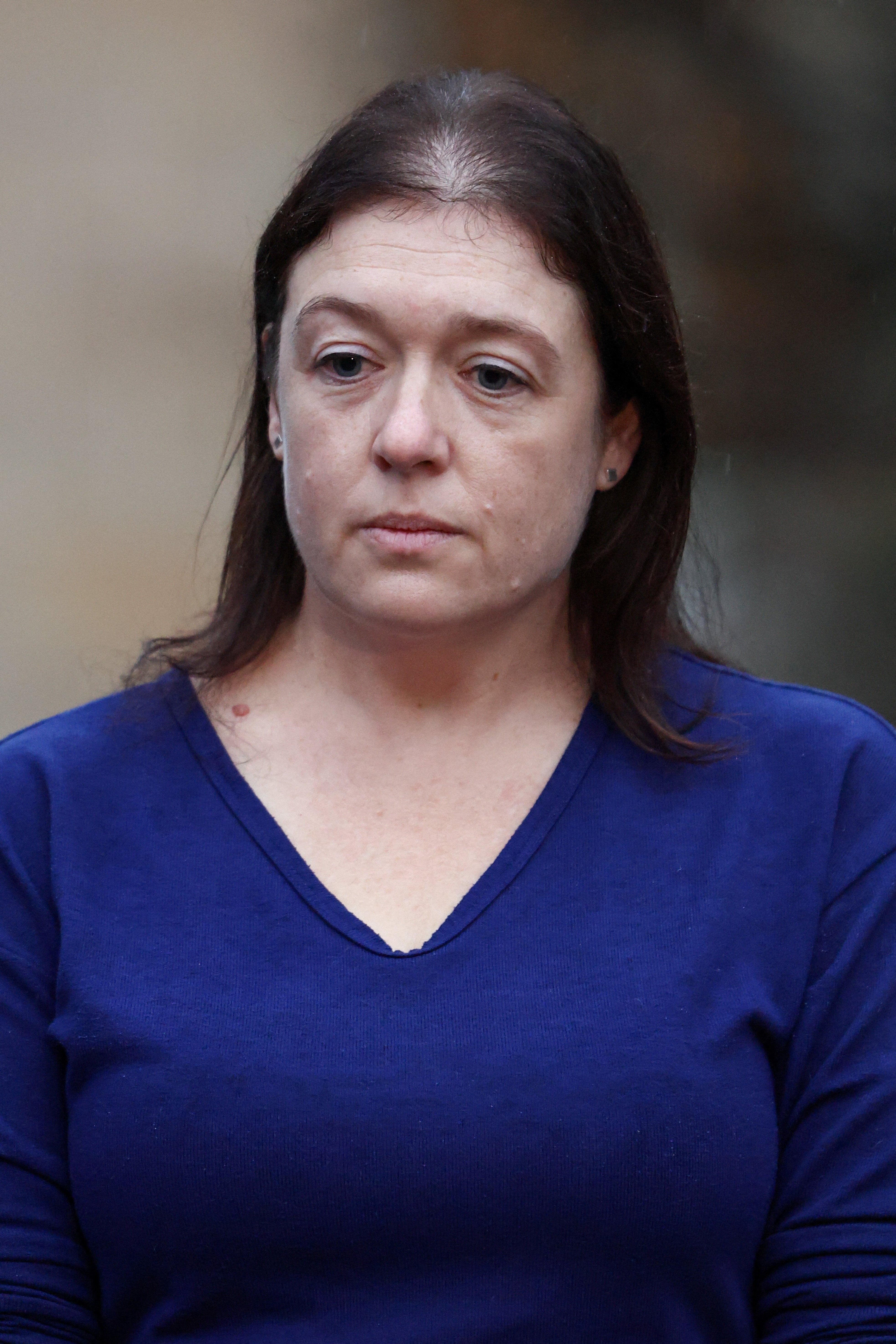
Young says verdicts recognise the men’s choices
Speaking outside court, Young called the result a relief for herself and her family. She said it could also encourage women in similar situations to come forward and trust that they’ll be heard. A verdict can’t guarantee that every person who reports abuse will have the same experience, but public acknowledgement may matter to someone weighing whether to speak.
“For women and girls who have been abused by men, it sends the message that you can be believed and understood,” she said. Young described the betrayal by the person she trusted most as difficult to process, and said the abuse had “cost me my life as I knew it.” The consequences, she said, have been devastating for both her and her children. The impact reaches beyond the immediate crime: it can change how a person experiences home, relationships and ordinary daily routines.
Young stressed that her husband wasn’t the only person responsible. Other men were invited to participate, she said, and chose to do so. The verdicts, in her view, recognised their part in what happened to her. That distinction is central to her statement: being asked to take part doesn’t remove an individual’s responsibility for their own choice.
Consent and the lasting effects
Young said the case raised questions about how consent is treated. She argued that consent must come from the person concerned and can’t be given on someone else’s behalf or inferred from another person’s account. “At no point did anyone ask me for my consent,” she said, urging the government to make women’s protection a priority. Her point is direct: another person’s claim about what someone wants cannot stand in for that person’s own answer.
She described living with pain that’s difficult to put into words and said the experience has left her feeling unsafe. Leaving the house can be hard, she said, while the abuse also showed her that home offered no protection. That combination can make familiar places feel uncertain, even after the immediate danger has passed. She’s working to regain trust and rebuild her life, a process that doesn’t follow the clean timetable of a court case.
Young thanked her partner, family and friends, as well as Wiltshire Police, the Crown Prosecution Service and others who supported her during the two and a half years before the statement. Her thanks mark the sustained work and personal support that can surround a case long after a report is made. For survivors, being heard in court is one part of the process; living with the aftermath is another.
A message to others affected by abuse
Young told people who recognised their own experiences in the trial that they weren’t alone and that support was available. She said abuse isn’t the victim’s fault, and urged people to speak out about violence against women and girls. That message places responsibility with those who commit abuse, rather than with the person who may be deciding whether they can safely disclose it.
She said secrecy allows abuse to persist, and called on men and women to recognise it and act where they can. Speaking out can mean seeking help, listening to someone who discloses abuse or challenging conduct that’s being excused. Here’s the thing: public statements can open a door, but practical support and a willingness to take disclosures seriously are what help people use it.
“I am determined that their choices will not define me,” Young said. She plans to use her experience to help others and wants to build the best life she can with her children and loved ones. A hard-won determination. If you’re working in this space, the distinction she makes between the perpetrators’ choices and her own future deserves attention: recovery isn’t the same as erasing harm.
What the verdicts may mean for others
The verdicts may give other survivors a reason to believe that an account of abuse can be heard and that responsibility can extend to more than one participant. They can’t promise a particular outcome in another case, and Young’s statement doesn’t suggest otherwise. The value she identifies is more personal and immediate: a public finding that the men involved made choices, alongside her hope that other women will feel able to come forward.
That said, a court outcome is only one point in a longer process. Young describes continuing effects on her sense of safety, her trust and her family life; those effects won’t end simply because proceedings have reached a verdict. The challenge for anyone supporting survivors is to take both parts seriously: accountability in court and the ongoing work of helping people regain control over daily life.
Rape Crisis offers support for people affected by rape and sexual abuse. Call 0808 802 9999 in England and Wales, 0808 801 0302 in Scotland, or 0800 0246 991 in Northern Ireland. Visit www.rapecrisis.org.uk. In the US, call Rainn on 800-656-HOPE (4673).

