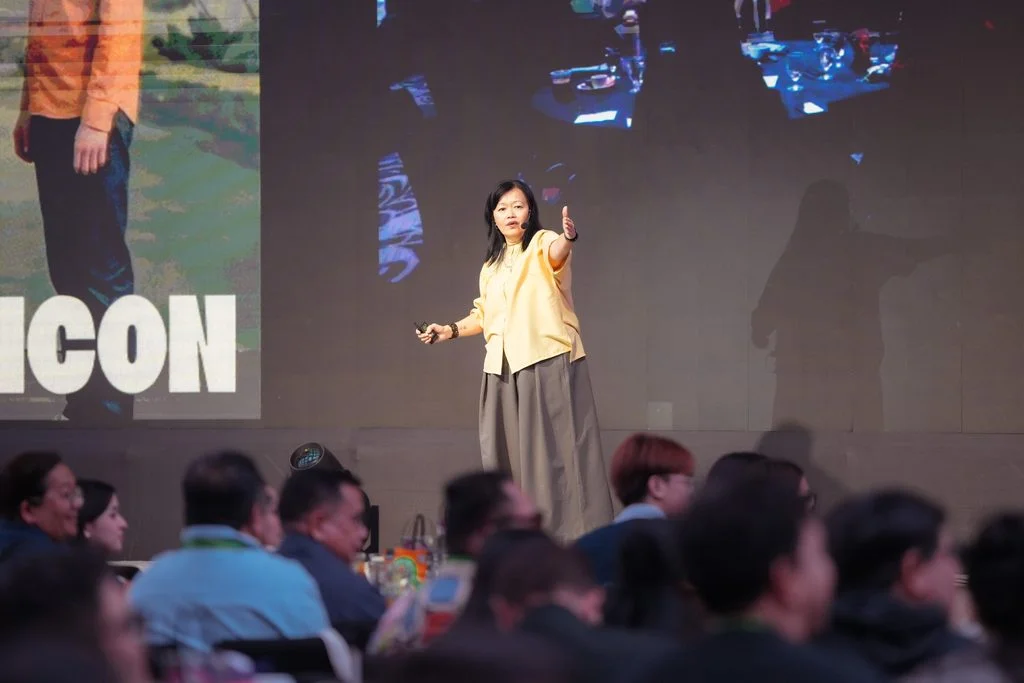
Marketing can target people with increasing precision while leaving teams, channels and communities more disconnected. That tension shaped DigiCon 2026, where the Digital Marketing Association of the Philippines (DMAP) put “interoperability” forward as a model for collaboration across industries and technologies. The two day event drew 2,000 marketing, business, technology and media professionals, with speakers arguing that AI’s value depends on how people connect and direct it.
The idea carries more structure than a burst of co-branded posts or a creator partnership. Interoperability asks how separate systems, disciplines and groups can work together, and what shared foundations make that possible. At DigiCon, the answer ranged from responsible AI practices to creative industries and fan communities.
Make room for useful chance encounters
Dr. Christian Busch, author of Connect the Dots, tied collaboration to serendipity. He distinguished it from luck: serendipity involves having some agency over what happens next. People can make unexpected connections more likely by offering others “hooks”—questions such as “What are you currently curious about?” or “What are you currently working on?” Those prompts reveal interests and active projects that might otherwise stay hidden.
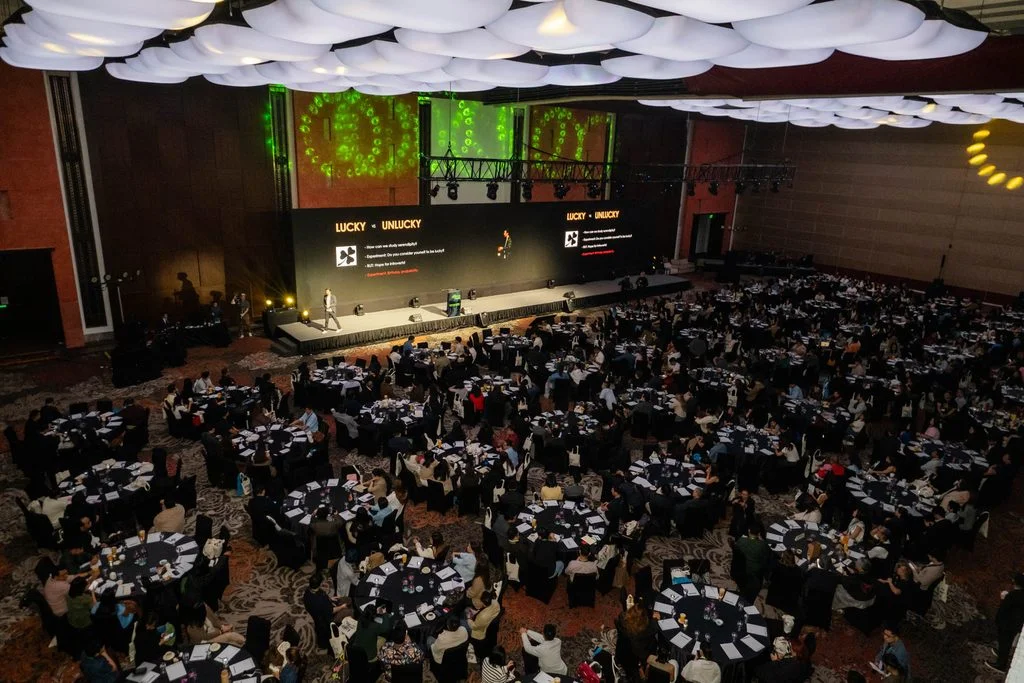
That framing gives interoperability a practical starting point: create conditions where people can find connections, then give those connections a way to develop. A conversation alone won’t sustain a partnership. Teams also need ways to share information, expertise and resources across organizational boundaries.
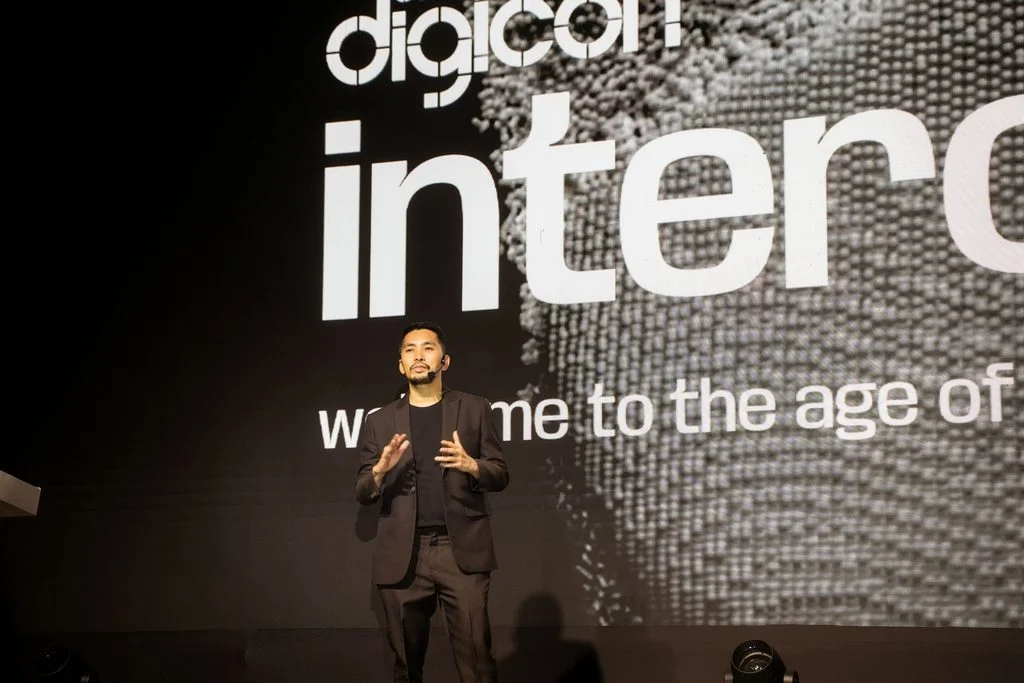
DigiCon co-chair Raymund Sison described interoperability as “one of the most natural things in the world.” He pointed to early digital networks built by military researchers and academics so that vital data would not remain trapped in a single system during a crisis. The lesson for business, he said, is to move beyond individual capabilities and build collective integration for a more resilient digital economy.
AI raises the stakes for human judgment
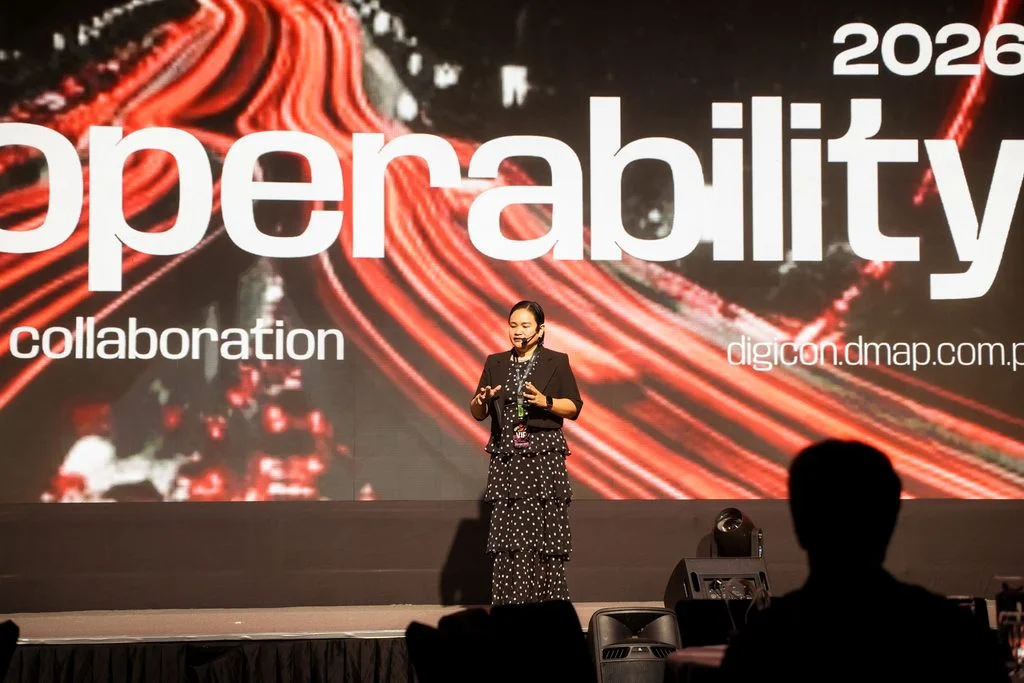
AI can personalize messages, automate work and sort audiences at speed. DigiCon co-chair Shayne Madamba argued that these capabilities can still deepen fragmentation when organizations rely on isolated data, tools and channels. In her view, AI could build more walls between people unless companies treat interoperability as a core marketing concern.
That concern makes accountability central to the human and machine relationship. In a panel on privacy and data ethics, Don Kevin Hapal, Rappler’s chief data officer, said that people remain responsible for AI-generated material they choose to publish. If content causes harm, its creator can’t shift blame to the system that produced it. The obligation is especially direct when material appears publicly under a person’s or organization’s name.
For marketing teams, this is more than a question of checking outputs before publication. It points to the need for clear ownership over how AI is used, who reviews its work and who stands behind the final message. Faster production can widen the reach of a mistake just as easily as it can speed up a campaign.
Creative work needs shared infrastructure
Interoperability also showed up in examples from Philippine popular culture. Javier Miguel “Javi” Benitez, chairperson of the House Special Committee on Creative Industries and Performing Arts, described major cultural successes as beginning with a simple thought: “Pwede pala”—“So it’s possible.” He cited a collaboration between television networks that had previously competed, which produced the country’s highest-grossing film, and the international growth of music groups SB19 and BINI.
These outcomes depend on more than creative ambition. Benitez connected the idea of serendipity to practical support systems, including rights, funding, data, talent and stages. Those structures let creative work cross organizational and geographic boundaries. Without them, a promising connection may never reach an audience.
The same principle appeared in DigiCon’s five tracks: Innovation, Integrated, Impact, Immersive and Interactive. Together, they brought different industry experiences into the discussion and showed how collaboration can take shape through both technology and shared cultural activity.
Communities make participation active
Fandoms offered another example. Ina Flores, founder of the fan platform Hey Roomie, said people stay because fandom gives them a community. Ellen Manalang, who leads Zushis Official, the fan group for Filipino pop artist Maki, described how Maki invites fans to discuss his work and build its lore with him. The relationship works because fans can contribute, rather than simply receive content.
Frances Cabatuando of Home Buddies PH, a community with millions of active members, emphasized the value of giving a group a clear “north star.” When members understand a community’s purpose, they can make choices and participate without waiting for instructions. Large groups can also give rise to smaller, closer circles that organize around shared interests.
That kind of participation is a useful test for brands. A community is not defined by its size alone; its members need a reason to gather and room to shape what happens. For organizations working with AI, the parallel is clear: tools can help coordinate activity, but people still provide the purpose, judgment and relationships that make collaboration matter.
Edelman global chief creative officer Judy John put the potential of ideas plainly: “You are one idea away from changing the world.” DigiCon’s broader message was that an idea needs connections to travel. As AI expands what marketing teams can produce and coordinate, their advantage may depend on whether people can work across systems, share responsibility and build communities with a clear purpose.