A safe found in the woods is set to help Falmouth households pay for heat this winter. The Maine town council has voted to send $55,737 in unclaimed cash to the Low Income Home Energy Assistance Program, four years after a passerby discovered the safe near the town’s central fire station. The money spent years in police custody as officials tried to identify an owner and establish where it came from. Now the town has chosen a use tied to an immediate household expense.
The decision turns an unresolved discovery into a local aid fund, but it doesn't answer the central question: why was the cash in the woods? The safe’s contents could have been lost, abandoned or taken from someone, and authorities haven’t established which explanation fits. For residents facing heating bills, the practical result is clearer than the story behind the money.
A long search for an owner
After finding the cash, police checked with authorities in Maine and New Hampshire to see whether anyone had reported a large theft from a bank or an individual. The department kept the money while it tried to establish where it came from. That process matters because unclaimed cash can’t simply be treated as a windfall while a possible owner remains unidentified; officials first had to make a reasonable effort to connect it to a reported loss.
Kilbride said he wondered whether it could have been connected to a drug exchange, or taken from an older person who hadn’t noticed it was missing. Those were possibilities, not findings. Authorities eventually traced the money to a New Hampshire bank, WGME reported, but the bank connection hasn’t explained how the cash reached the woods or who carried it there.
“Cash of this magnitude is very unusual,” Kilbride said. “I’ve never experienced anything like that in my 30 years.” The length of the search underscores the limits of tracing physical cash: a bank origin may narrow the history, but it doesn’t necessarily identify the person who withdrew or lost it. The trail stops short.

Cash for heating as winter approaches
State law requires unclaimed money found by authorities to go toward a charitable purpose. Falmouth Town Council Chair Bryce Hach said the council chose the heating assistance program because the funding could reach local families ahead of winter. Directing the cash to an existing assistance program gives the town a route to distribute it, rather than requiring a separate process built around a one-time discovery.
“It was certainly an intriguing way of getting funds,” Hach said. “This was not taxpayer money. This was not something that was the product of any thoughtful policy. This was literally a find in the woods.” That distinction is central to the council’s decision: the cash wasn’t raised through a planned budget allocation, yet it can still meet a public need. The source is strange; the intended use is ordinary and pressing.
The timing matters in a state where about half of households rely on heating oil, according to the American Community Survey. Maine heating oil prices reached $6.05 per gallon at the end of October, a record, before easing to $5.84 on November 9, according to the Maine Department of Energy Resources. The prices help explain why a heating fund has an immediate purpose, though the cash can only stretch so far across households’ needs.
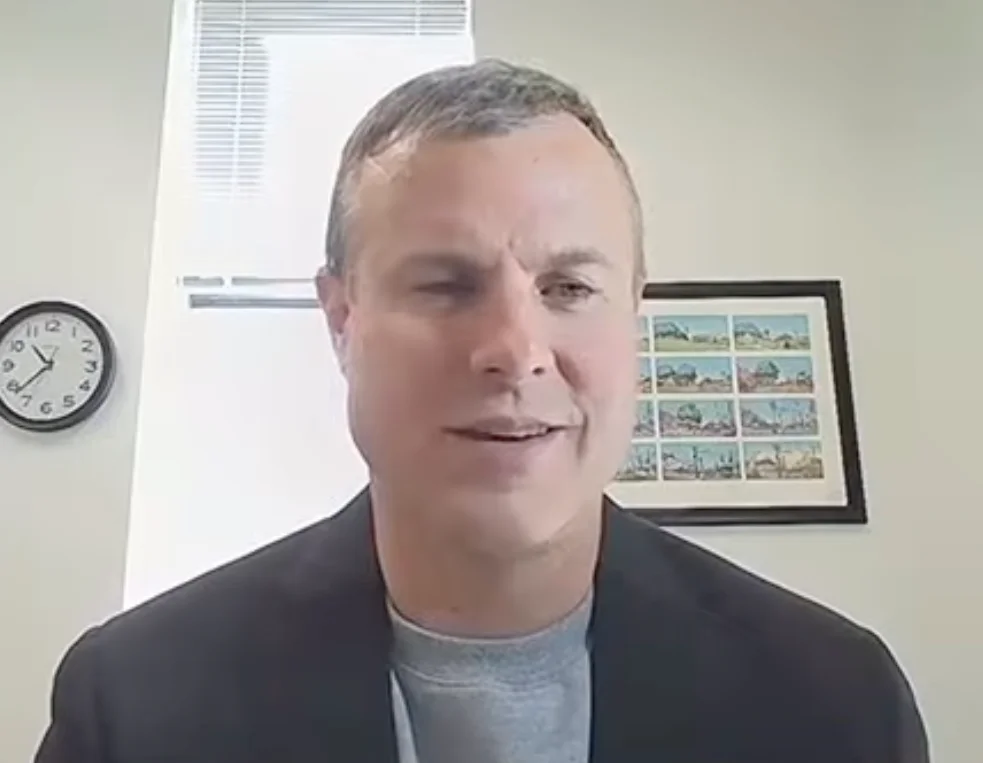
Town manager Nathan Poore told the Portland Press Herald that the program could award $500 to each applicant, with money left over reserved for later distributions. That structure could spread the benefit beyond an initial round, depending on how many people apply and how much remains. It also makes the fund’s reach easier to understand: it’s targeted help with heating costs, not a broad payment to every household.
Hach said he hopes the aid will help families manage heating costs through the colder months. “Knowing how needed these funds are for heating right now, knowing how expensive fuel is for heating and knowing we’re going right into the winter,” Hach said, “this was a true gift for our community and one that literally fell in our lap.” The phrase captures the unusual origin, but the assistance still depends on the program’s distribution and the needs of applicants.
What the decision means for the town
This is more significant than it looks. The council’s vote gives money with no known claimant a defined public purpose, and it directs that help toward a cost households must keep meeting as temperatures fall. If you're working in this space, the case also shows how local officials can turn an unusual windfall into targeted aid through an existing program, while leaving the underlying mystery unresolved.
The amount may help individual applicants, but it doesn't settle the wider problem of heating affordability reflected in the state’s reliance on oil and the prices cited by officials. That said, the funds were never part of a recurring policy or predictable budget source. Their value lies in what the town can distribute now, and in the decision to make the money serve residents rather than remain an unexplained police-held asset.
For Kilbride, the town’s decision brings an unusual case to a practical end: “This is the people’s money.”

