A shrinking contest tracks $TRUMP’s fall
The shrinking turnout for Donald Trump’s third $TRUMP dinner contest captures the gap between the token’s falling market value and the Trump family’s crypto earnings. The closing leaderboard showed 130 wallets holding a combined $8.6 million, down 94% from the first competition. Meanwhile, the meme coin traded near 92 cents after reaching more than $74 in 2025. That’s a sharp change in the economics of qualifying: the dinner still carries political and social appeal, but the token’s price has made the contest a smaller draw in dollar terms.
The dinner is scheduled for November 22 at Trump’s golf club outside Washington. The contest invited 185 token holders to register, with rankings based on their balances over a scoring period running from September 30 to November 16. Its first edition, announced in April 2025, had sent the token’s price up more than 60%. The comparison matters because the contest isn’t simply a private gathering; it’s also a promotional event tied directly to demand for a tradable asset.
Entry has become far less expensive. For the first dinner, qualifying holdings ranged from $59,000 to $18.5 million. The latest contest’s top-ranked wallet holders had substantially smaller balances, even as the token’s decline during the scoring period left participants exposed to further losses. A lower threshold may widen access, but it also reflects how far the token’s market value has fallen.
Smaller stakes, a familiar draw
The top 29 wallets will receive VIP seating and an invitation to a “Special VIP Reception” with Trump, according to the contest website. Morten Christensen, a Netherlands-based crypto entrepreneur, qualified for the third time and placed 26th with about $41,000 in time-weighted token holdings. This time, he’ll attend the reception. His result shows how the contest can remain attractive to some participants even as the financial stakes shrink: the potential draw is proximity, not just a rising token price.
“You can be in a room with the president of the United States, arguably one of the most powerful people in the world,” Christensen said. “So why would I not go if it cost me almost nothing to go?”
His 23-year-old sister, Gabrielle Felen, also plans to attend after buying roughly 2,000 tokens. She didn’t make the top 120 and therefore won’t receive a gift bag. The difference between attending and qualifying for the higher tiers makes the contest’s structure plain: token ownership can secure a place in the broader event, while larger holdings buy access to additional perks.
Token buyers face losses as family ventures earn billions
The weak contest showing comes amid declines across the Trump family’s crypto and crypto-linked projects. Reuters estimates that outside investors have lost more than $5 billion across five main ventures. Much of that loss came before the midterm elections; a heavy defeat for Trump’s Republican Party then pushed token values down further. Contest participants also saw the $TRUMP price fall during the weeks their balances were being measured. For holders, that means the cost of pursuing a place on the leaderboard can change while the contest is underway.
Those losses contrast with the family’s reported proceeds. Trump’s June financial disclosure put earnings from the meme coin at at least $635 million. A Reuters analysis estimated that the family had earned at least $2.3 billion through April across four main crypto ventures. Trump Media & Technology Group, a fifth crypto-linked holding, had a valuation of about $500 million. The figures describe different things—reported earnings, estimated proceeds, and a company valuation—so they shouldn’t be treated as directly interchangeable. Even so, the scale of the reported family returns alongside investor losses is striking. This is more significant than it looks.
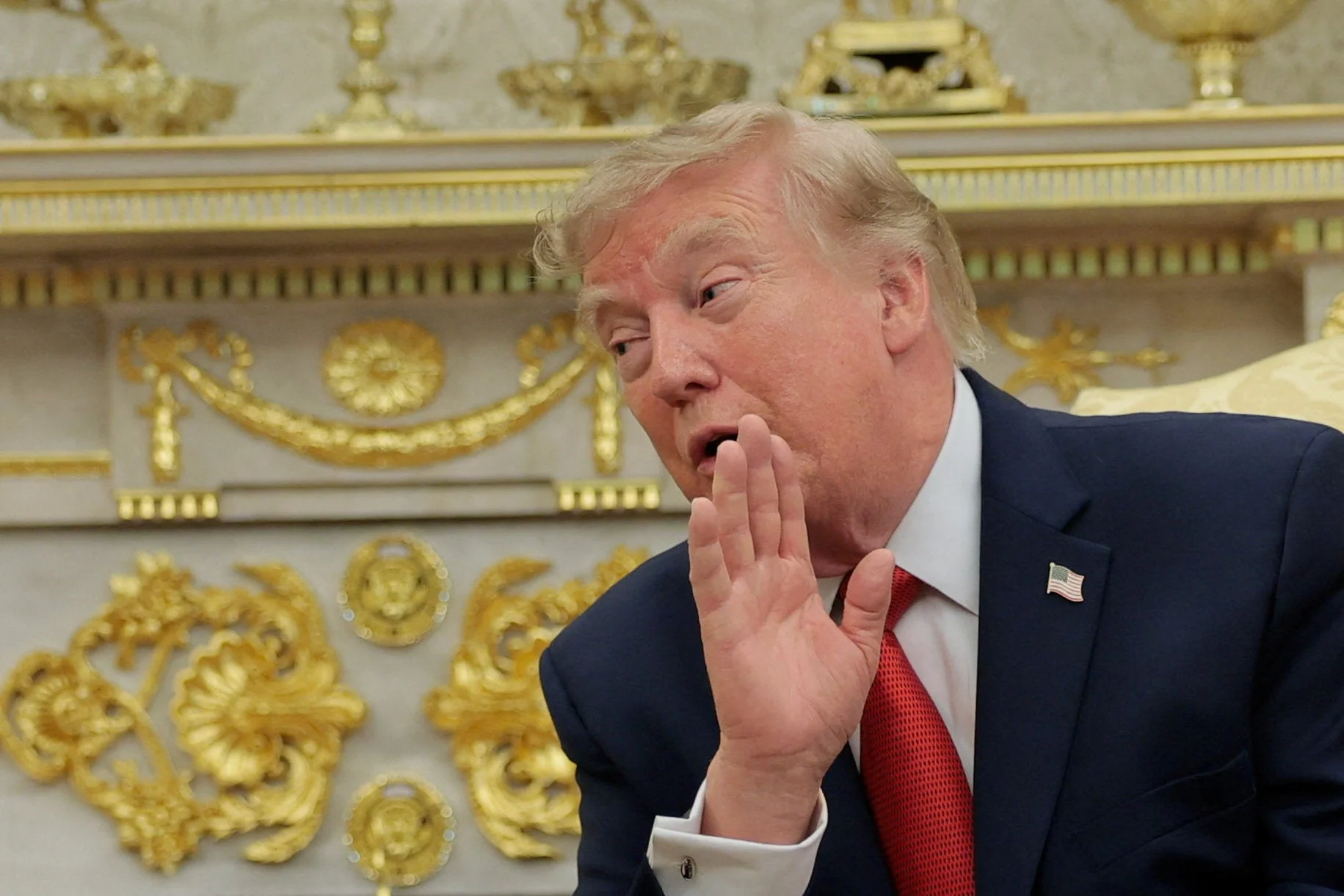
The family’s crypto income has drawn criticism from Democrats, who regained control of both chambers of Congress in the midterm elections. Senator Elizabeth Warren, a Massachusetts Democrat set to lead oversight on the Senate Banking Committee, has called the businesses “an orgy of corruption” and said they’ll be a focus of her accountability investigations. That criticism places the ventures within a wider argument about the relationship between public office, private business, and access. The contest itself doesn’t resolve that argument, but it gives it a visible setting.
Anonymous wallet ownership has also fueled concerns about access. Wallets are identified by alphanumeric strings, and ethics officials raised concerns around the first two dinners that the token could let anonymous foreign buyers seek access to the president. Blockchain analysis found that more than half of the 220 wallets in the first contest were likely based entirely outside the United States. A wallet identifier can show transaction activity without making the holder’s identity clear, which complicates efforts to understand who is participating and what access they may be seeking (and this is the part most people overlook).
What the next dinner will show
The Trump Organization and the meme coin project did not respond to requests for comment. The White House also did not respond; it has said the president’s assets are held in a trust managed by his children and that this arrangement avoids conflicts of interest. Those statements leave the central questions about the contest’s participants and its effects unresolved. Here's the thing: the shrinking leaderboard is a concrete sign that the promotion is drawing less capital than it did at launch, even if it can still attract people who value access.
If you're working in this space, the contest offers a reminder that promotional demand and lasting market value aren’t the same thing. A dinner can keep its appeal after a token’s price has collapsed, but smaller balances and fewer participating wallets suggest that the financial pull has weakened. What this means for you is that the next contest will be watched as a test of whether personal access can sustain interest when token performance no longer does much of the selling. A thinner field. The token remains far below its peak, and the next dinner will show how much the promotion can still draw from crypto buyers.

