Donald Trump's explanation for the Republican midterm collapse is that it wasn't his fault. In a podcast interview with Stephen A. Smith, he insisted his approval rating remains high and argued that the candidates he endorsed simply failed to sell his message.
The numbers are hard to spin. Republicans lost more than 40 House seats, at least eight Senate seats and five governorships. Control of both chambers slipped away, and the damage reached into states that are normally safe territory, including Michigan, Kansas, Texas and Mississippi.
What happened, Mr. President?
Smith opened the interview in the White House's Roosevelt Room with a blunt question. Trump's reply wandered. He noted that he wasn't on the ballot himself, complained about the two Dan Sullivans running in the Alaska Senate race, which still hasn't been called, and then turned to the Iran war.
His argument was that voters may have turned against the conflict because of fuel costs rather than the war itself. "Maybe the war was not unpopular as a war but unpopular because of the fact that the gasoline prices were higher, oil prices, and I actually thought that was something that people would be able to handle pretty well," he said.
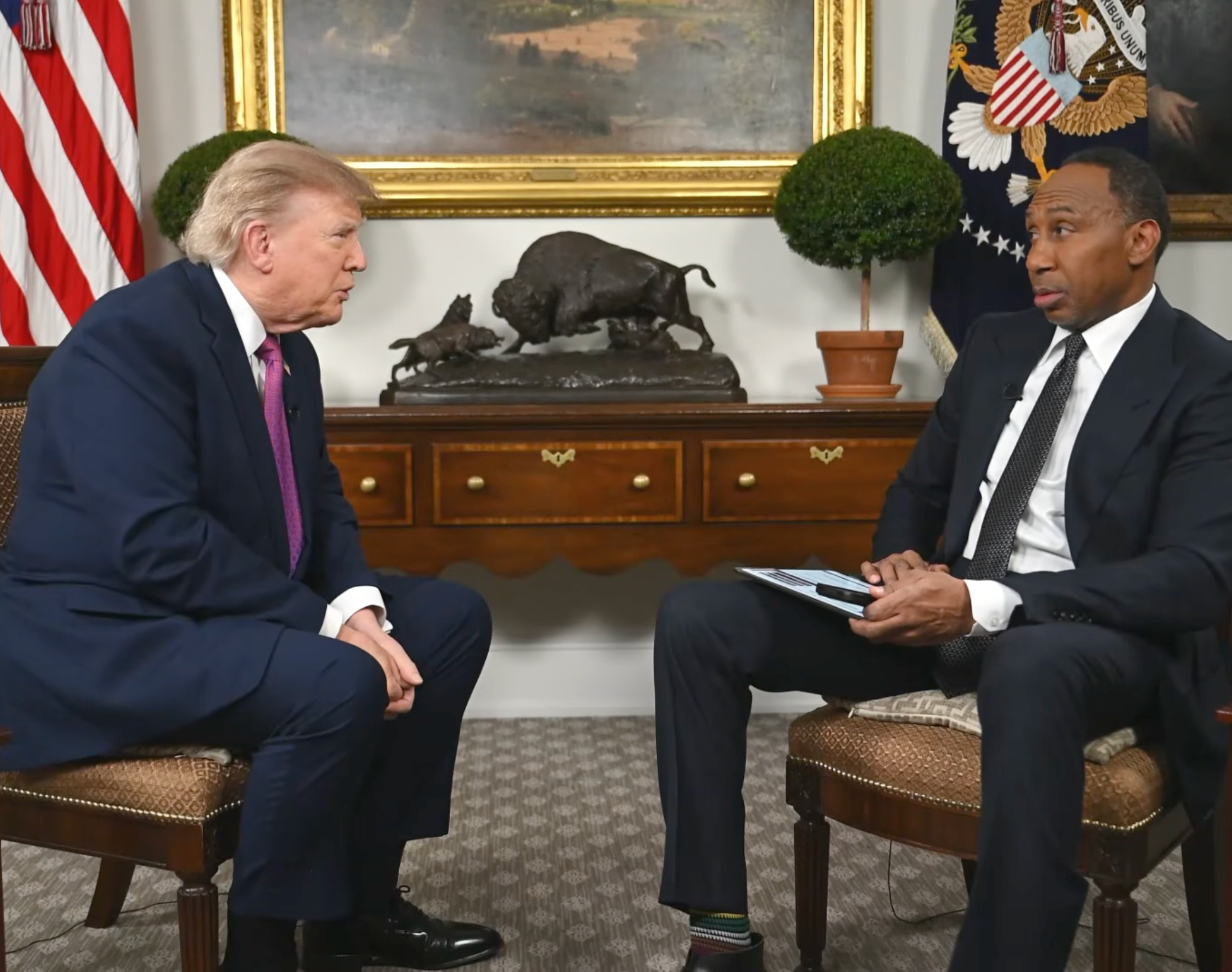
Trump also said that paying more at the pump in the short term was worth it to keep Iran from getting a nuclear weapon. He blamed his own candidates for not making that case. Smith pushed back immediately. "But that doesn't seem to be what your own party is saying," he said, before reciting the scale of the losses.
Who was on the ballot
Smith's sharpest point came from Trump's own pre-midterm pitch. Trump had told voters to "put you on the ballot," and Smith wanted to know how he could claim he wasn't on it.
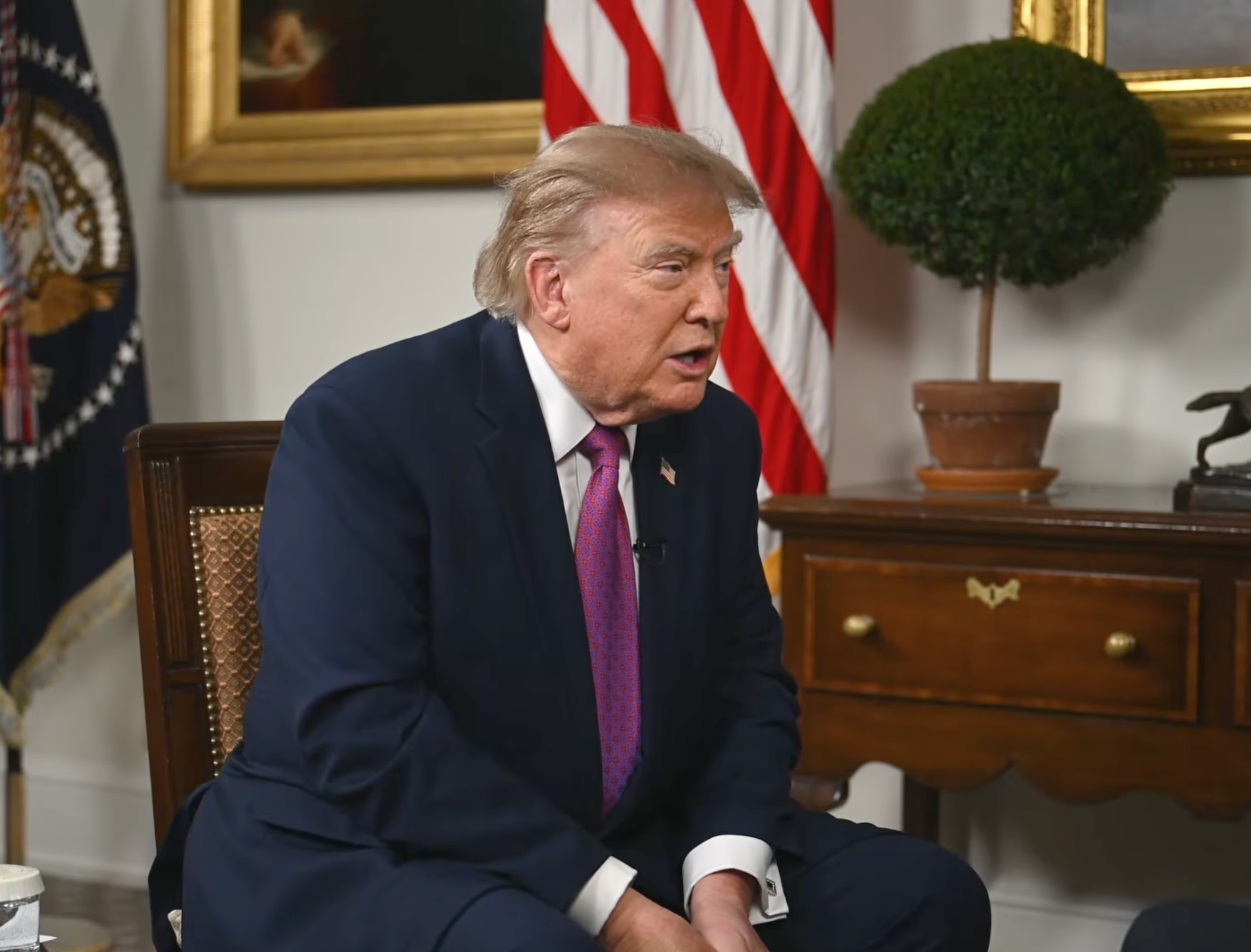
"Well, they didn't do it," Trump replied. "They didn't put me on the ballot. People didn't believe in the candidates."
From there, Trump pointed to his 2024 wins as proof that the problem was the candidates, not his record in office. Smith asked whether voters were rejecting the conservatives on the ballot or reacting to the price of groceries. "I think it's both," Trump said. He acknowledged he knew the war would cost him politically, then lamented the stock market, which he said showed "people aren't in love with the Democrats."
Smith came back with the obvious counter. "But your approval rating is lower than theirs. Your approval rating is lower than the Democrats."
Dueling polls
Trump's rebuttal relied on an Elon University poll that Harry Enten walked through on CNN in August. That survey put his approval among Republicans at 99 percent, ahead of where Abraham Lincoln and Ronald Reagan stood at comparable points in their presidencies. Trump typically has little patience for CNN, and he skipped over the many other polls that put his general approval closer to 32 percent.
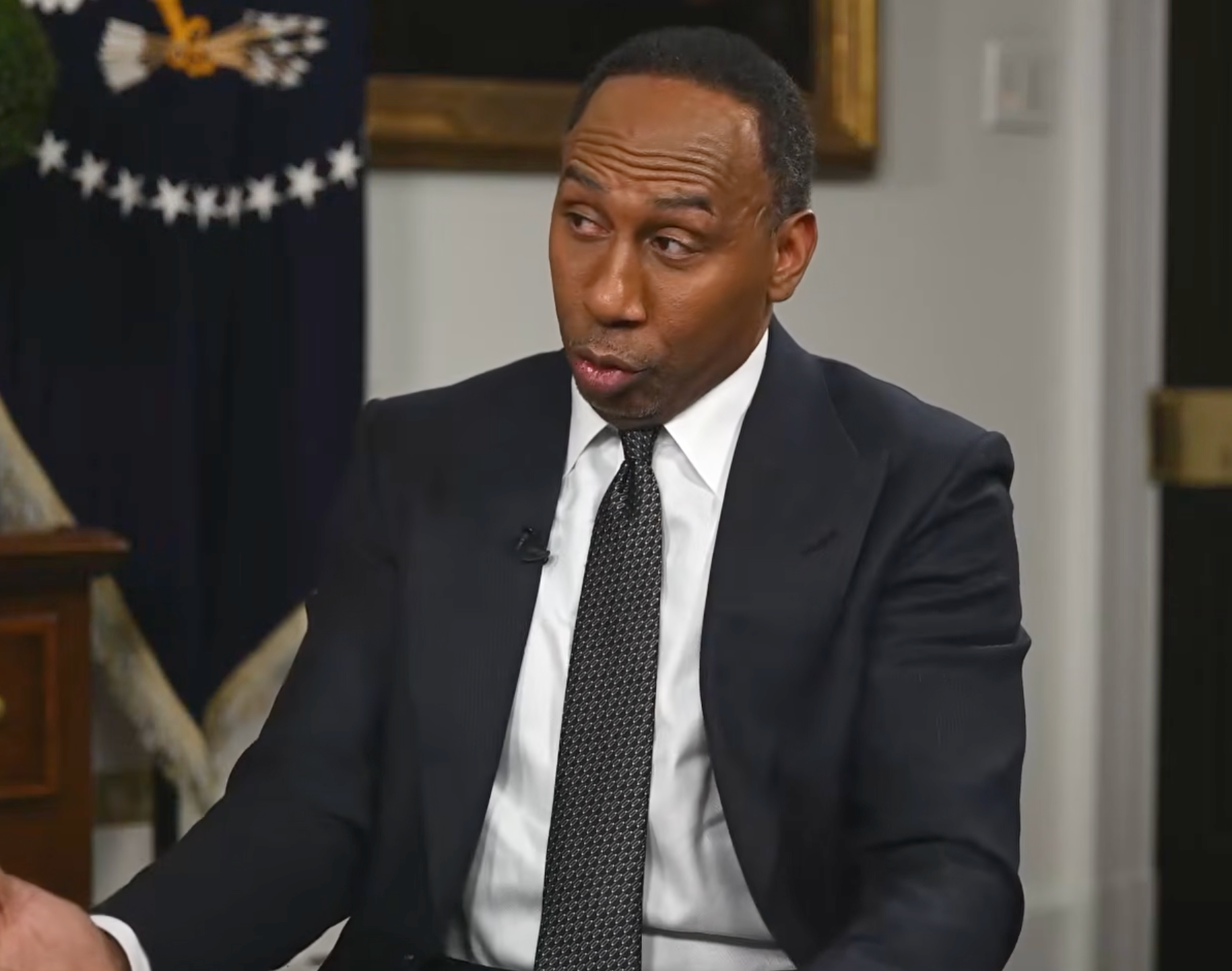
Smith kept pressing. "You said to put you on the ballot, and now you're saying they didn't. That means they didn't listen to President Donald Trump."
Trump said voters maybe didn't like the candidates. Asked whether he liked them, he answered: "Some of them I liked, some of them I liked less, but I thought every one of them was better than the Democrats in terms of policy." He went further, insisting Sen. John Cornyn would have struggled just as badly in Texas as nominee Ken Paxton, who was trashed by Democrat James Talarico.
The answers weren't far from what Trump gave Fox News on Election Night, when he also blamed nearly everyone but himself. The interview ranged further, touching on tariffs and their economic toll, whether Black Americans had benefited from his policies, and his claim that he could beat Barack Obama, whom he called "highly overrated," "easily." Trump also expressed sympathy for former Nvidia boss Jensen Huang, who he said was "going through hell" after being forced to resign following a string of extramarital affairs.
Afterward, Smith told Laura Coates on CNN that Trump was taking "zero" responsibility for the midterms and didn't see himself as accountable for his party's losses. Here's the thing: that split between a president citing favorable polls and a party counting seats is the tension Republicans will have to resolve before 2028. Expect the candidate-quality argument to carry real weight in the party's internal fight, because it lets Trump keep his own record intact.

