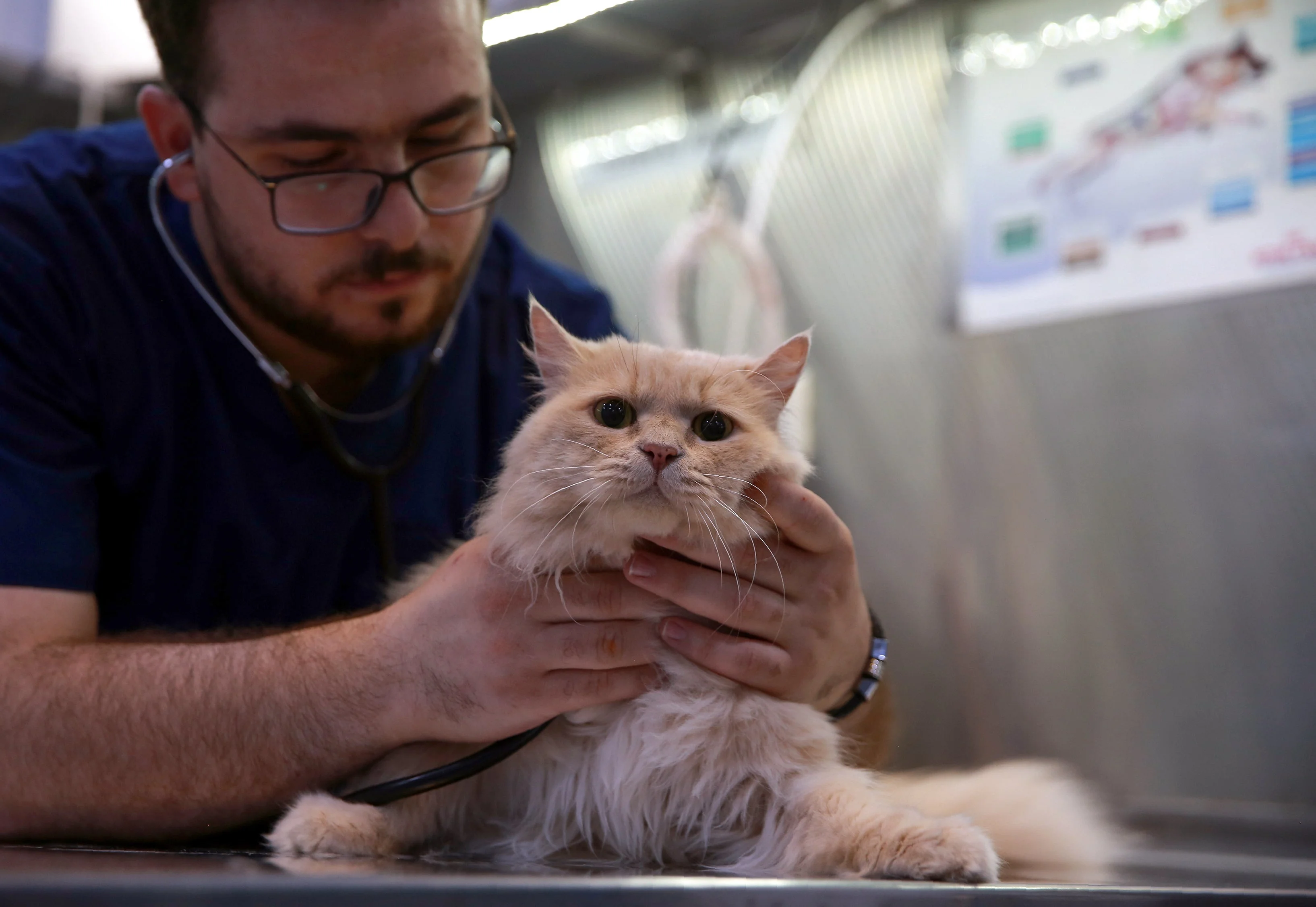
Your dog's upset stomach could soon be a valid reason to take a paid day off in New York. Lawmakers there are weighing a bill that would let workers draw on paid sick leave for the medical diagnosis or treatment of a sick pet. If it passes, something many people already do quietly, like rearranging a workday around a vet appointment, would be written into labor law.
The Sick Leave for Pets Care Act, introduced by Democratic Assemblyman Manny De Los Santos, would amend state labor law to add the medical care of a sick companion or service animal to the list of eligible reasons for paid sick leave. The key detail is what it leaves out. It doesn't require employers to offer additional days off. Workers would simply use the leave they already have.
Existing leave, new purpose
That distinction matters. Mandating new benefits creates new costs for businesses, which tends to make bills like this harder to pass. Reclassifying leave that already exists sidesteps much of that friction. My read is that this is the more practical route, though the real impact depends on how much paid sick leave workers actually accrue.
Here's the thing: a policy like this only works as well as the leave it draws from. If a worker has plenty banked, a pet's stomach bug is an easy draw. If they have little or none, the bill changes very little for them, and that's the part that deserves more scrutiny than it's getting. The source doesn't say how much paid sick leave New York workers typically accrue, so any estimate of the bill's reach would be guesswork. Still, it's the right question to ask.
Employers, for their part, (and this is the part most people overlook) already have some discretion over how sick leave gets requested and documented. A pet-related use would likely raise the same questions as any other medical use, such as what counts as a diagnosis and who verifies it. The bill, as described here, doesn't settle those details, and they're where most leave policies get messy in practice. A small change. Not a trivial one.
More than a pet bill
The bill isn't limited to pets. It also covers paid leave for caring for family members with medical needs and for seeking help related to domestic violence, sexual offenses, stalking or human trafficking. Time spent obtaining services from a domestic violence shelter or rape crisis center would also qualify.
Bundling several reasons into one bill is common in labor legislation, and it usually isn't accidental. A bill that covers family caregiving and survivor services alongside pet care has a broader base of support than one that covers only animals. I'd argue that bundling makes the pet provision look less like a headline stunt than it might at first glance. And yet the pet clause is the part that will get the attention, which is probably why it's the part a skeptical reader should look at most closely.
Where other states stand
No state has enacted a law requiring employers to provide leave specifically for pet care or the loss of a pet, though several have tried. That's a useful baseline. It means New York would be breaking new ground rather than following an established template, and the lack of precedent cuts both ways. Lawmakers have no proven model to point to, but they also face no track record of problems to address. Missouri has proposed limited paid bereavement leave after a pet dies, and an Illinois bill would amend the state's Family Bereavement Leave Act to allow unpaid time off after a companion animal's death.
Earlier efforts haven't fared better. A 2020 Maryland bill would have allowed paid bereavement leave after a pet's death, and a 2024 New York City proposal sought to let workers use accrued sick time for companion or service animals. Neither became law. Proposals like these tend to share a pattern: they get introduced, attract some attention, and then stall before reaching a floor vote. That doesn't make the current bill doomed, but it does mean the history should temper any expectation of fast movement.
If approved, New York would be one of the first states to explicitly recognize caring for a sick pet as a legitimate reason to use paid sick leave. That's a notable shift in how workplace policy treats pets, even if the change itself is modest. The distinction is subtle but real. Bereavement and sick leave have historically been framed around human relationships, and writing animal care into the sick-leave category treats pets as a medical concern rather than a sentimental one.
Still in committee
The proposal was first introduced in January 2025 and was referred back to the Assembly Labor Committee in January 2026. It remains there and has not become law. De Los Santos is joined by eight Democratic co-sponsors representing New York City and Long Island. That's a coalition concentrated in a specific region, which is worth noting if you're tracking whether this moves beyond its original backers. Committee is where many bills quietly die, so the lack of movement isn't a sign of anything dramatic. It's just where things stand.
What happens next
Whether the bill moves out of committee will show how much appetite lawmakers have for treating pet care as a workplace issue. That's the real test here, more than the bill's text. If it advances, the debates will likely center on the same tension this article has circled: whether reclassifying existing leave is a meaningful benefit or a convenient way to appear generous without spending much. If it stalls, the story becomes another entry in a list of pet-leave efforts that never made it to a vote.
If you're working in this space, whether as an HR professional, a benefits administrator, or someone who's had to explain to a manager why you're leaving early for a surgery, this is worth watching. What this means for you depends on where you work and how your employer already handles sick leave. The bill won't change much on its own. But the fact that a legislature is asking the question at all is the part I'd keep an eye on.

