Manila holds the ASEAN chair in 2026, putting the Philippines at the center of coordinating priorities across a bloc of 11 countries. Under President Ferdinand Marcos Jr., the Philippines will steer discussions on regional cooperation, stability and integration. The numbers behind those members tell a more complicated story than the membership list alone.
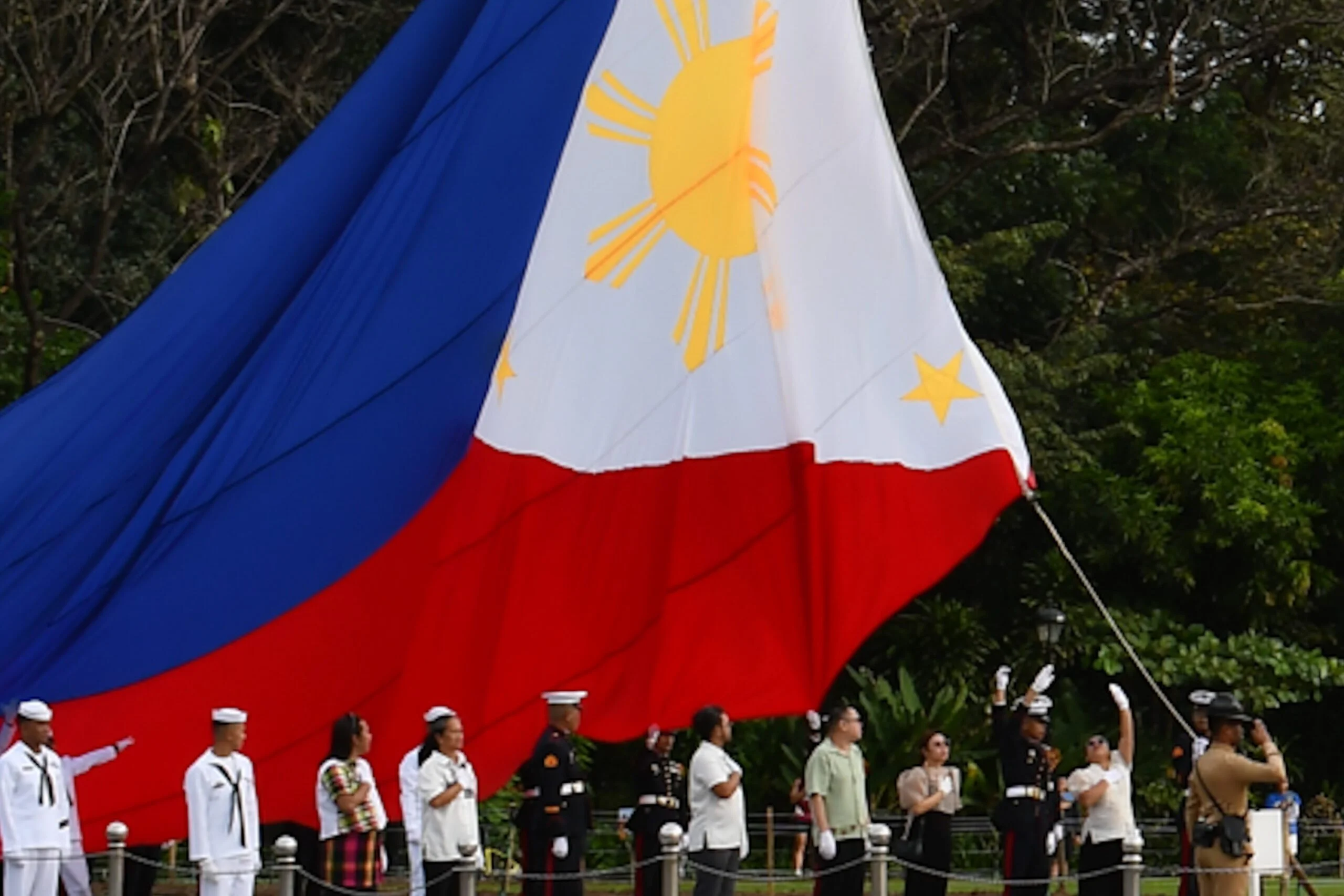
Five founders and a bloc built for stability
ASEAN formed in 1967 to promote regional peace, political stability and economic cooperation. The founding five were the Philippines, Indonesia, Malaysia, Singapore and Thailand. Their original goal was simple: keep the region calm enough for trade and integration to work. Nearly six decades later, that same logic still shapes the bloc's agenda.
Expansion brought a wide income spread
Brunei joined in 1984, Vietnam in 1995, Laos and Myanmar in 1997, Cambodia in 1999, and Timor-Leste in 2025. Here's the thing: each expansion added a different economic reality. Singapore's GDP per capita of $90,674.1 in 2024 sits far above Myanmar's $1,359.1 and Timor-Leste's $1,332. That gap is roughly 68 times, and it shapes how members think about trade, investment and development priorities.

Big populations, modest incomes
Indonesia is the bloc's population anchor, with 288.3 million people in 2025 and a GDP per capita of $4,925.4. Its capital is still Jakarta, though Nusantara remains under transition. Vietnam, at 102.3 million people, and the Philippines, at 112.7 million, follow with per-capita incomes in the $3,900 to $4,800 range. Those figures suggest that scale alone doesn't guarantee income, and that middle-income growth remains the common challenge.

Malaysia ($11,874.4) and Thailand ($7,346.6) form the middle tier. Brunei stands out on income, at $33,153.5 per capita, but it's a small economy with 458,600 people spread across 5,765 square kilometers.
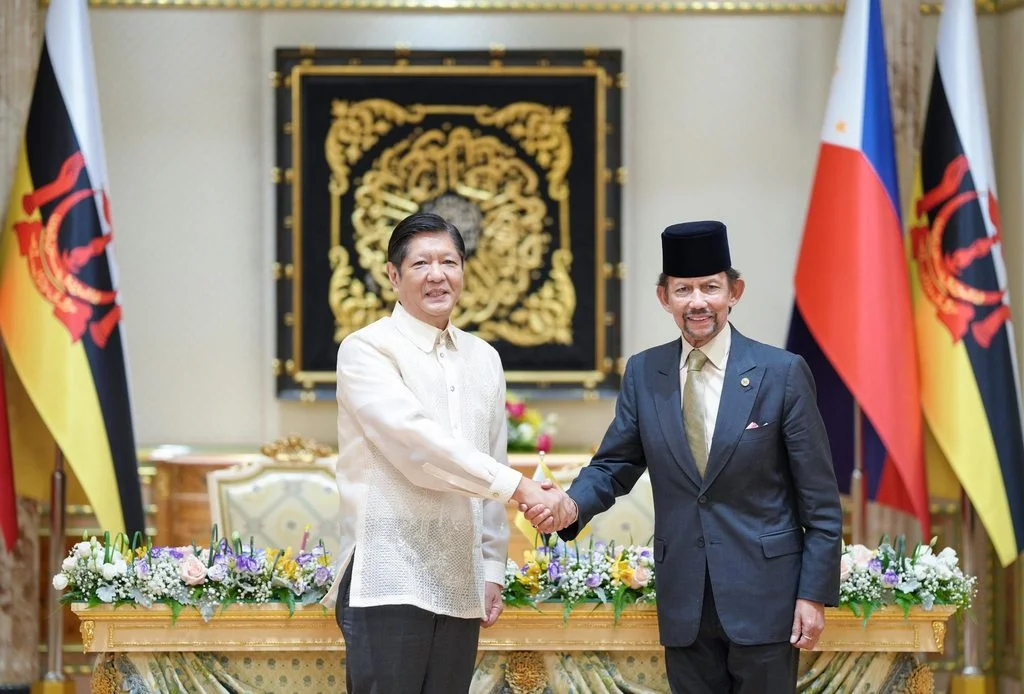
Political complications at the table
Myanmar is the awkward case. Its profile lists Min Aung Hlaing as president, but the military leadership has been barred from ASEAN summits since 2021, and only non-political representatives can attend. That restriction matters for a bloc that operates by consensus, and it will test the chair's diplomacy.
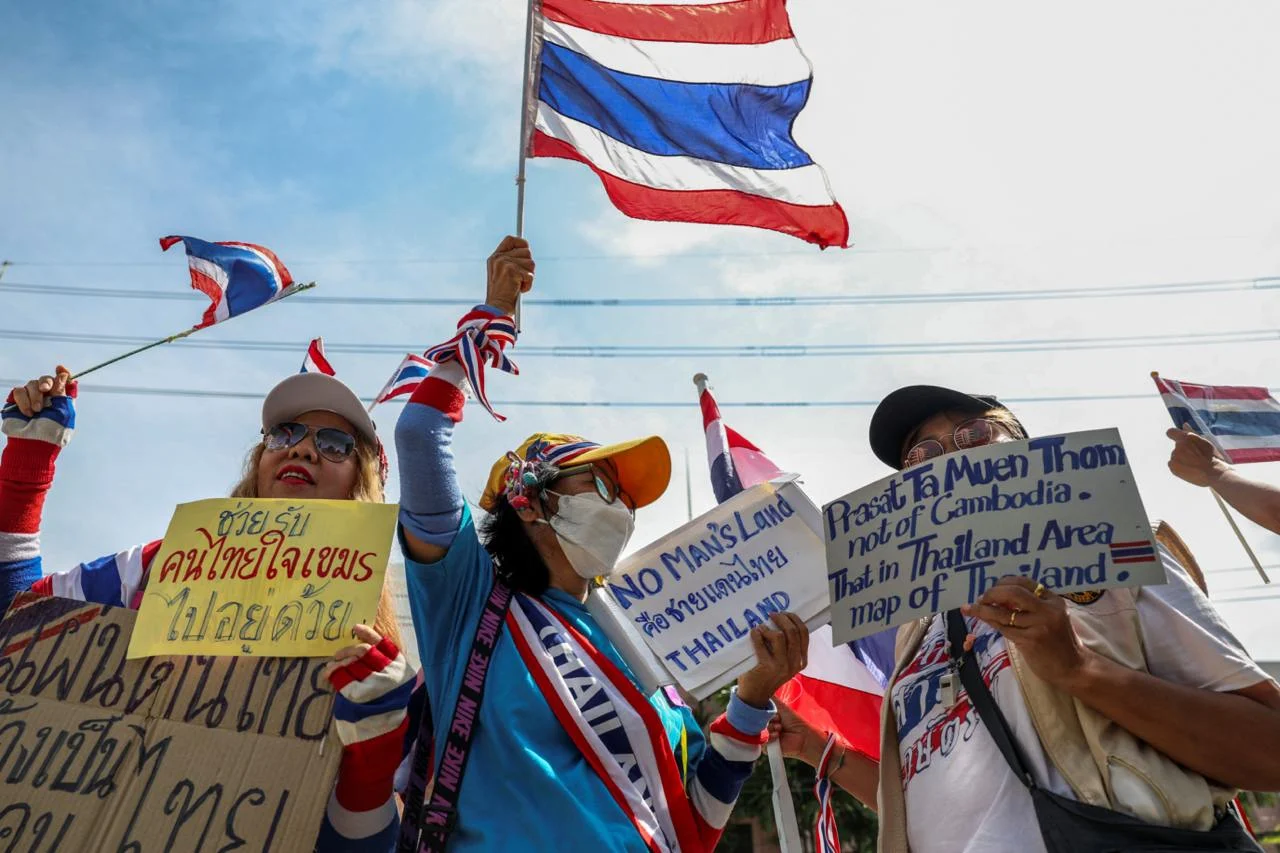
Thailand and Cambodia show how bilateral tensions can spill into regional life. Thai royalist activists protested outside the Royal Embassy of Cambodia in Bangkok in June 2025, following a clash at the border.
The numbers at a glance
| Country | Joined | Capital | Population | GDP per capita | Currency |
|---|---|---|---|---|---|
| Philippines | 1967 | Manila | 112.7 million (2024) | $3,984.8 (2024) | Philippine peso |
| Indonesia | 1967 | Jakarta | 288.3 million (2025) | $4,925.4 (2024) | Indonesian rupiah |
| Singapore | 1967 | Singapore | 6.11 million (2025) | $90,674.1 (2024) | Singapore dollar |
| Thailand | 1967 | Bangkok | 65.95 million (2024) | $7,346.6 (2024) | Thai baht |
| Malaysia | 1967 | Kuala Lumpur | 34.2 million (2024) | $11,874.4 (2024) | Malaysian ringgit |
| Brunei | 1984 | Bandar Seri Begawan | 458,600 (2025) | $33,153.5 (2024) | Brunei dollar |
| Vietnam | 1995 | Hanoi | 102.3 million (2025) | $4,717.3 (2024) | Vietnamese dong |
| Myanmar | 1997 | Naypyidaw | 51.37 million (2024) | $1,359.1 (2024) | Myanmar kyat |
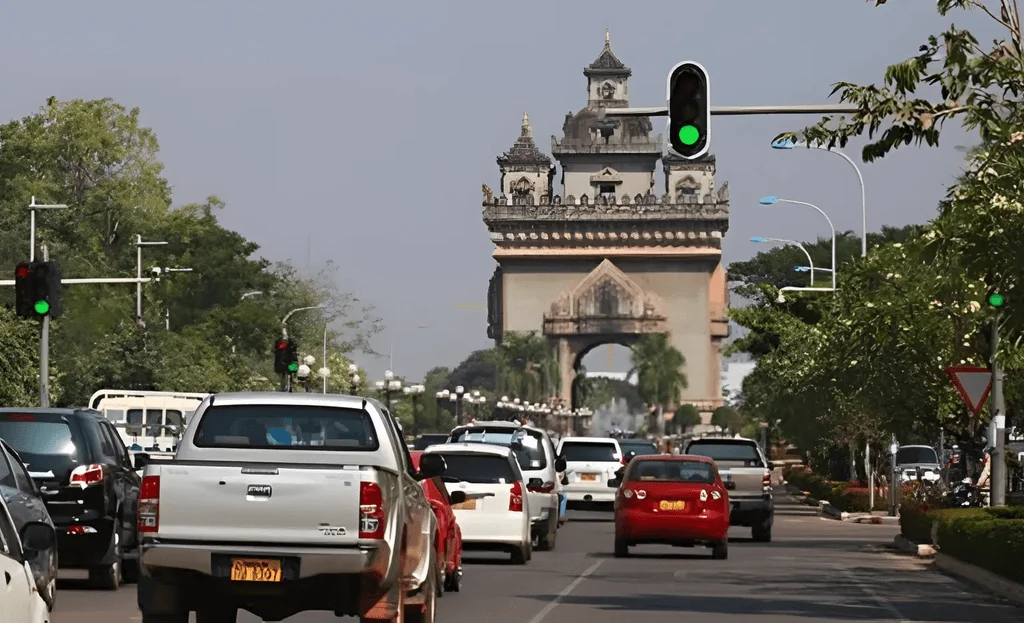
| Laos | 1997 | Vientiane | 7.65 million (2024) | $2,124.0 (2024) | Lao kip |
| Cambodia | 1999 | Phnom Penh | 17.28 million (2024) | $2,627.9 (2024) | Cambodian riel |
| Timor-Leste | 2025 | Dili | 1.34 million (2022) | $1,332 (2024) | US dollar |
Where the bloc goes from here
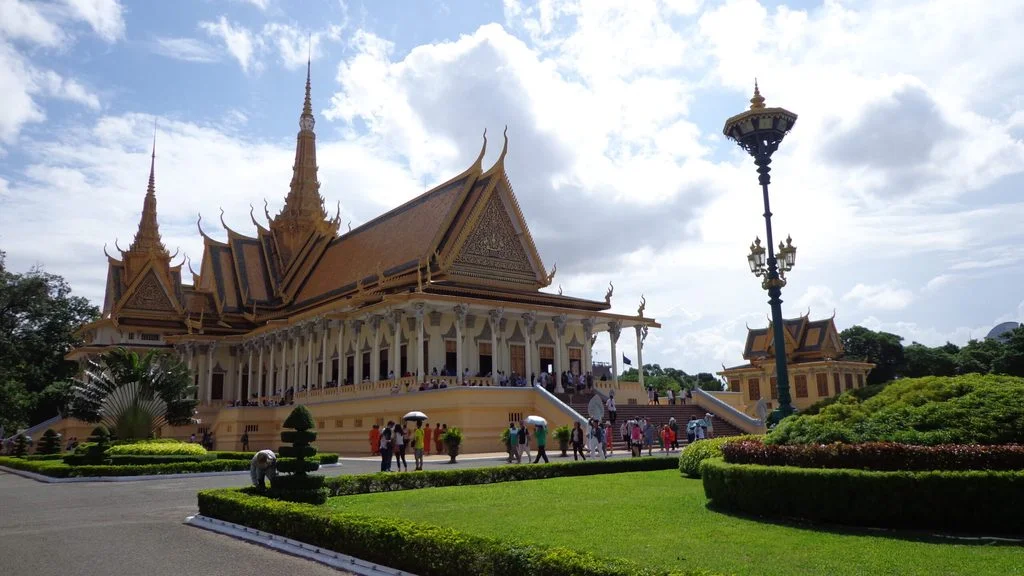
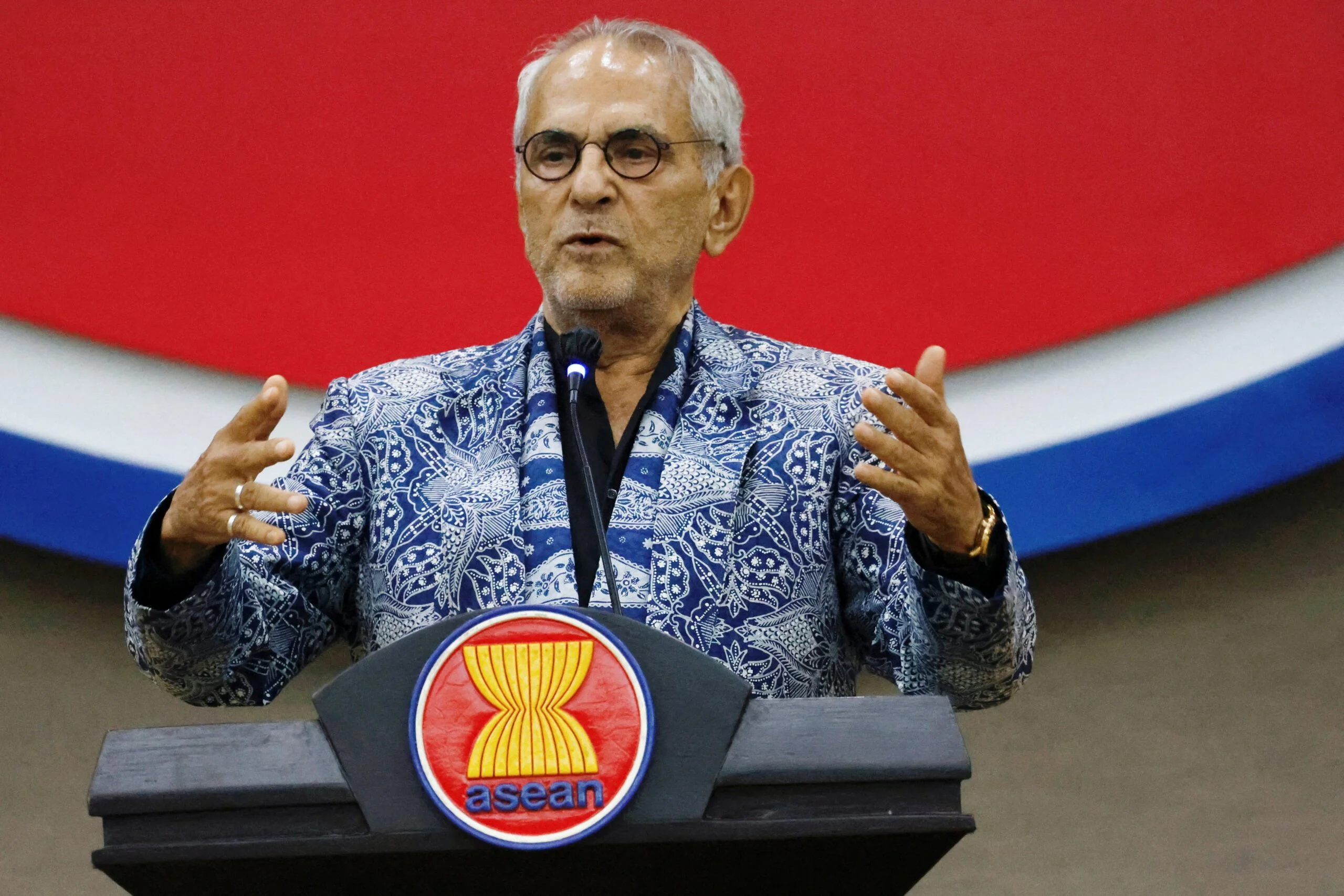
Vietnam's land area of 331,211.6 square kilometers and Cambodia's Royal Palace in Phnom Penh are the sort of details that make ASEAN feel like a collection of distinct national stories rather than one market. Cambodia's GDP per capita of $2,627.9 and Laos's $2,124.0 underline how much development work remains. Timor-Leste, the newest member, arrives with a population of 1.34 million and a per-capita figure of $1,332. Its presence at the ASEAN Secretariat in Jakarta is a visible sign of how fast the bloc's membership map has changed.
The Philippine chair will have to manage a bloc where a single Singapore can sit beside a Myanmar and a Timor-Leste. My read is that the next test is whether consensus-based decision-making can keep pace with that spread, and whether the newest members get a real voice in the priorities set for them.

