A Dublin ceremony draws protests
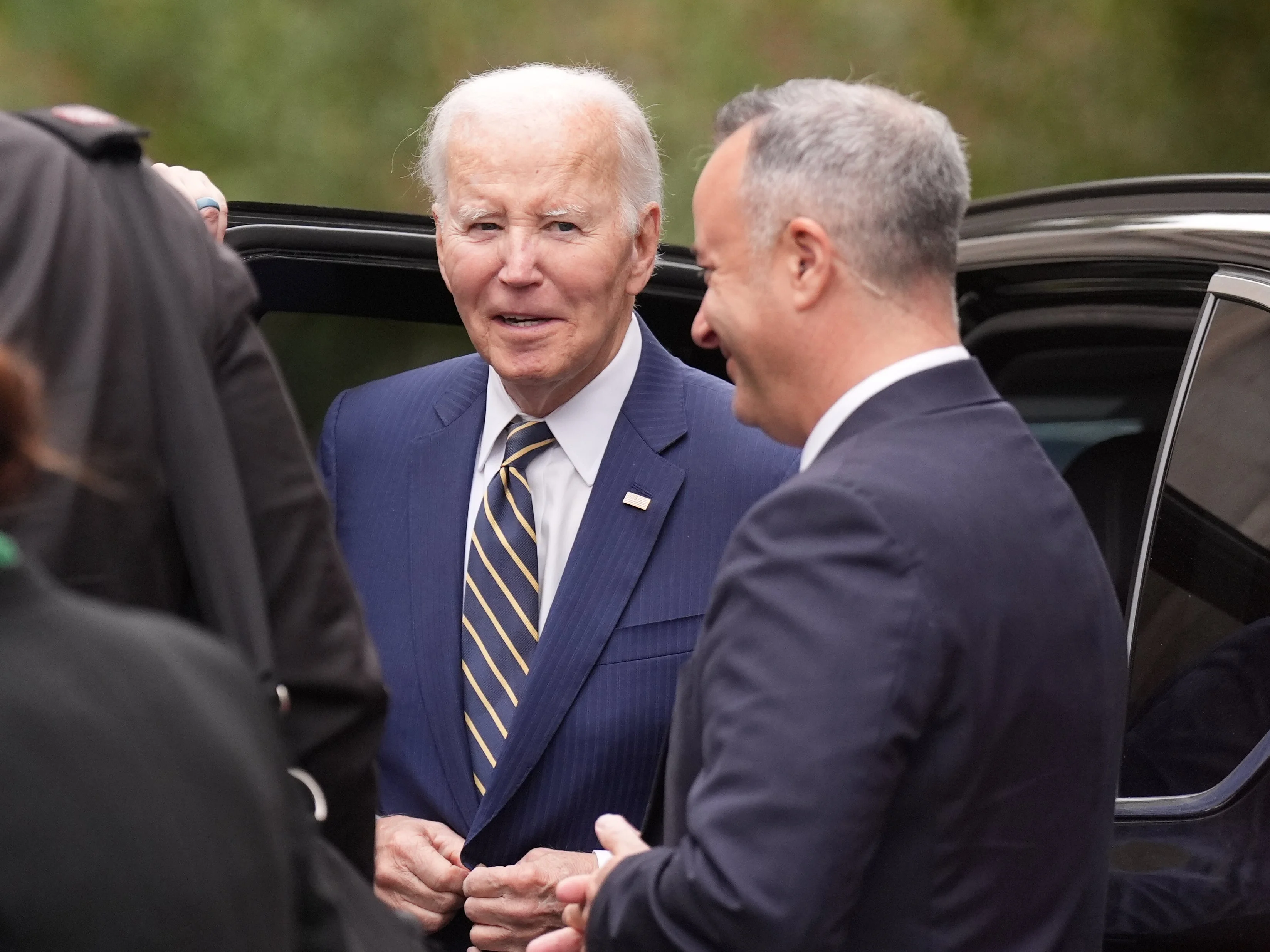
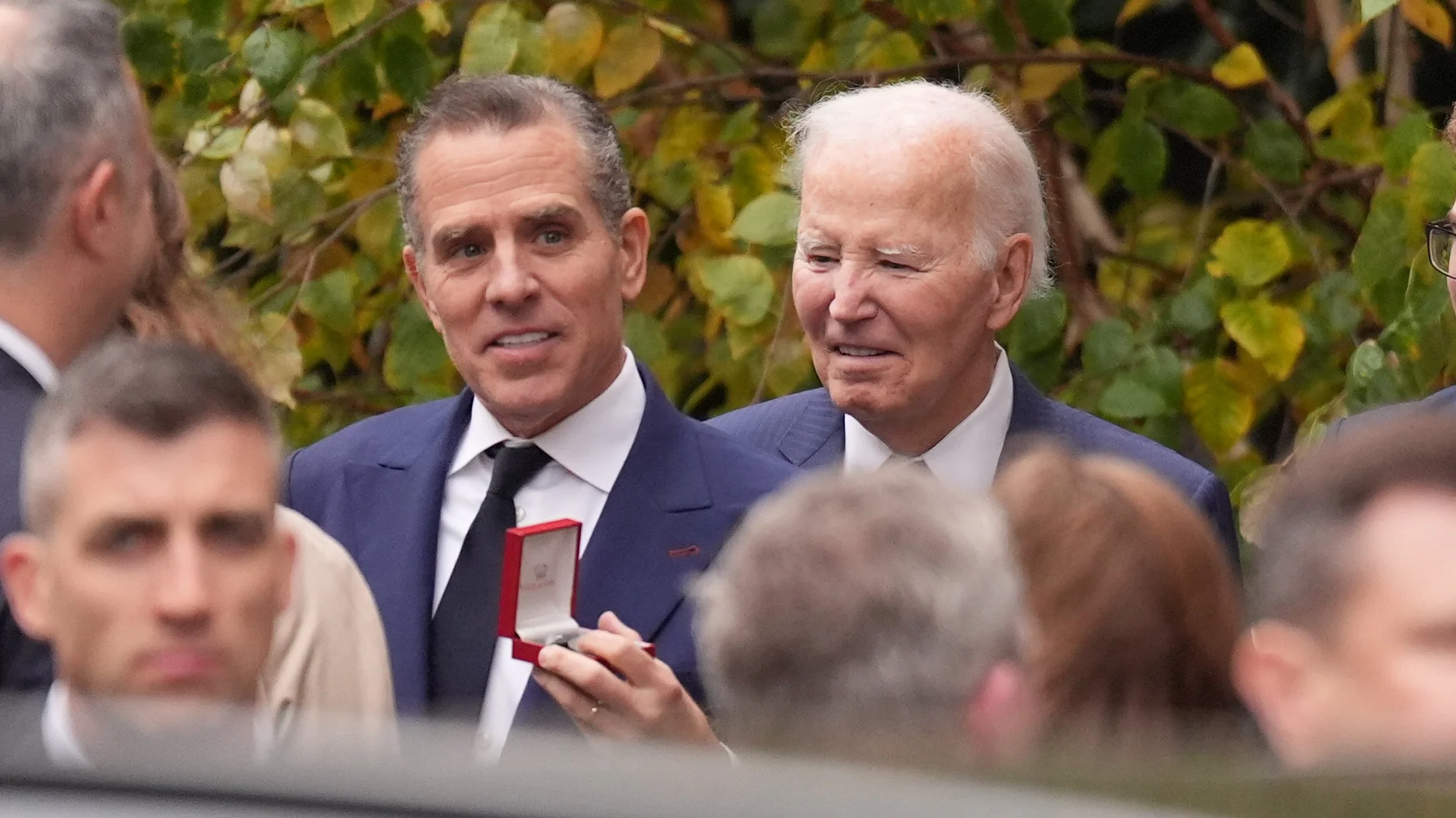
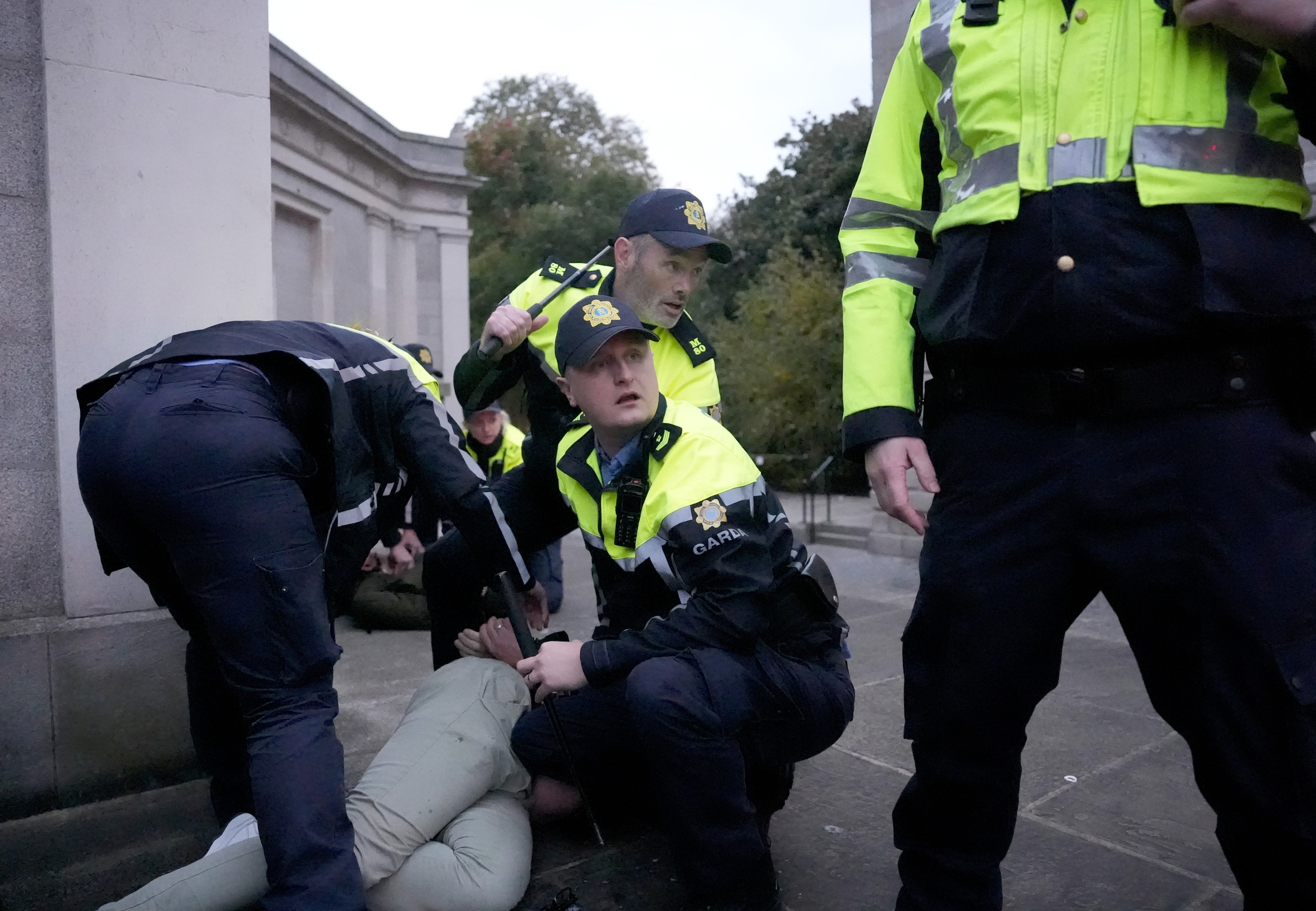
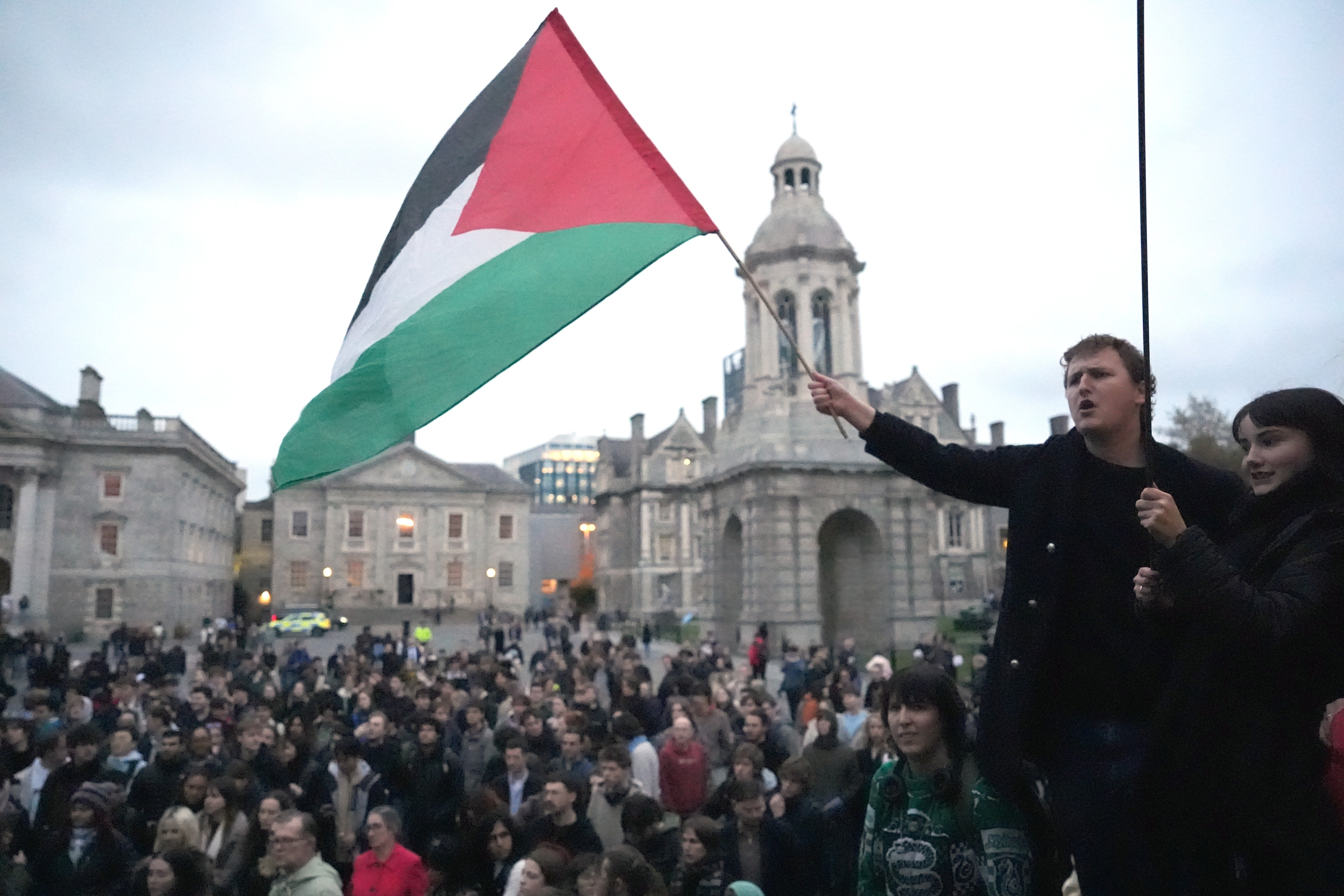
Joe Biden’s visit to Trinity College Dublin brought a public demonstration into focus as his son Hunter received a medal for his contribution to public discourse. At least two people were arrested outside the event, where officers from the Gardaí public order unit and police vans were present. The arrests and security presence set a tense backdrop for a ceremony that might otherwise have remained a campus occasion. The available account doesn’t say what the arrested people were accused of doing.
The former US president, 83, arrived with former first lady Jill Biden for the ceremony hosted by Trinity’s College Historical Society (HIST). Protesters and onlookers gathered nearby, creating a visible public presence around the visit. As Biden left, some people moved toward the group and threw objects. That sequence points to a sharp change in the mood at the scene, though the account doesn’t identify who threw the objects or what they were.
The visit amid a changing schedule
During the Ireland trip, Biden also met Taoiseach Micheál Martin. The Dublin appearance comes as Biden has spoken publicly about his prostate cancer diagnosis and the effect treatment has had on his schedule. Those details add a personal dimension to a visit otherwise defined by its public ceremony and the response outside it. They also help explain why his ability to keep a demanding timetable has become part of the story.
He has said his doctors remain encouraged by his response to treatment, though his days vary. “It hasn't stopped me. But sometimes it slows me down,” Biden said. He has also said he won’t be able to take part in as many conversations about his book as he had hoped. For an author promoting a memoir, fewer public conversations can limit the opportunities to explain what the book is trying to say, while leaving the text itself to carry more of that work.
A memoir revisits the presidency
Promise Me, America, due November 17, is Biden’s account of his presidency, the challenges he faced and the reasoning behind his decisions. In an excerpt, he recalls meeting Donald Trump in the Oval Office days after the 2020 election. Biden says Trump told him, “You know, Joe, if it weren't for politics, I believe we'd be good friends,” and said he was relieved he wouldn’t have to run against him. The passage offers a personal recollection of a political relationship, but it remains Biden’s account of the exchange.
Biden also writes that presidents must contend with the risk that successors will undo or diminish their legacy. He says that concern was heightened by Trump’s tendency to reject the idea of building on another president’s achievements. That argument frames the transfer of power not only as a change in leadership but as a test of whether policies and priorities can survive beyond the person who introduced them. It’s a familiar concern in presidential memoirs, where an account of decisions made in office can also become an argument about how those decisions should be judged.
What the memoir may add to the record
The memoir follows a period in which Biden faced repeated questions about his age and ended his 2024 reelection campaign after a June debate with Trump. Its release puts his own account of those years and his presidency into public view as he adjusts his schedule around treatment. The timing gives the book two jobs: to explain how Biden understands his record and to address the questions that shaped the final stretch of his campaign. Readers will have to weigh that account against the fact that memoirs are retrospective, selective accounts written from the author’s point of view.
This is more significant than it looks. The book’s discussion of political legacy sits alongside the immediate reality of Biden’s reduced schedule, making the gap between a presidency’s stated ambitions and what comes after it part of the story. If you're following how former leaders defend their records, the useful question is what the memoir clarifies about Biden’s choices, and what it leaves for others to assess. Here’s the thing: a personal account can add context, but it can’t settle every dispute about a presidency.
And yet, a public appearance can’t be read only through the book it promotes. In Dublin, the ceremony, the protest and the arrests put questions of public discourse into view in a more immediate way. The scene outside Trinity was unsettled. (And this is the part most people overlook.) The visit brought together a family milestone, a memoir launch and a health update, each carrying a different kind of public attention.