Nine hours in a hospital corridor left Joanna Oliver in pain, without privacy and waiting for treatment for a potentially life-threatening stoma blockage. Her experience at Basildon Hospital is a personal account of a wider strain: Healthwatch England recorded more than 280,000 cases of corridor care over the summer, as emergency departments faced record demand.
Oliver, 51, has Crohn’s disease and lives in Essex. She went to A&E at Basildon in July 2025 after developing discomfort and cramps. A blockage in her stoma can become life-threatening if it is not treated. She says she spent the night waiting for a scan and was not seen by a doctor until 6am, when the complication was treated.
“I was in the corridor, waiting for a scan, surrounded by drunk people and families. Because of the pain and the morphine, I wet myself. They gave me a urinary catheter in the corridor,” she said. Oliver also said her bed linen was not changed.

Summer demand pushed corridor care into focus
The reported cases came during a summer of exceptional pressure. In England, an average of 2,300 people a day received corridor care in A&E departments in July. Another 728 were receiving it elsewhere in hospital wards, bringing the daily total to 3,028. Health officials recorded 2.5 million A&E attendances that month amid record-breaking heat.
Healthwatch England said more than 280,000 cases of corridor care were recorded over the summer. On 30 June, the hottest day of the year in England, reports topped 4,200. The figures point to a problem that extends beyond a shortage of space in emergency departments: patients are sometimes left waiting in unsuitable areas while hospitals struggle to find beds and staff work under pressure.
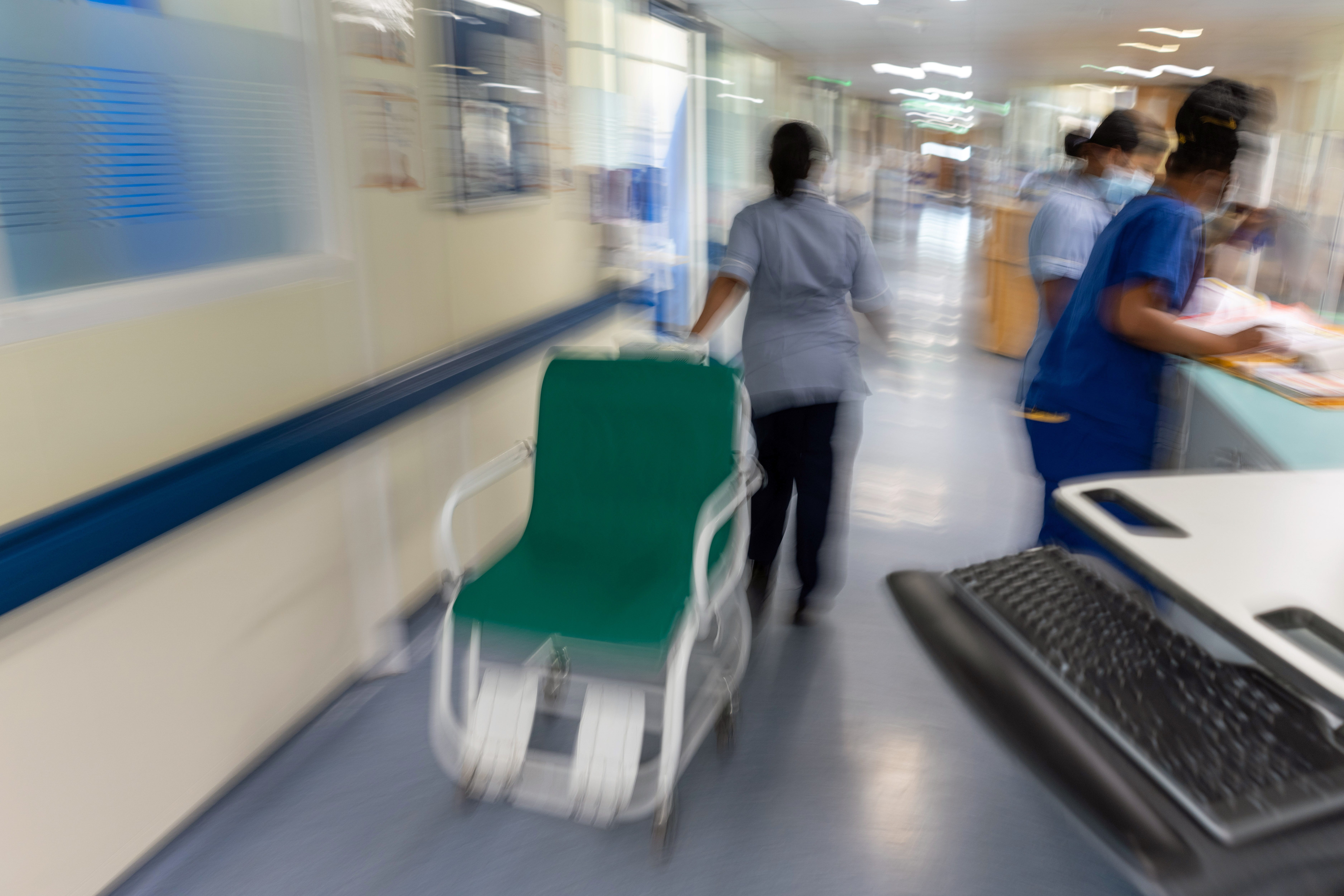
The accounts collected by the watchdog describe patients sitting or lying in busy corridors with limited access to basic care and little privacy. One person in Herefordshire said there were “no beds, just a plastic chair in a corridor all night with little care,” amid other patients vomiting, shouting and screaming.
Heat added to the discomfort for another patient, who reported having no air conditioning in A&E on a very hot day. Jugs of water were available, they said, but there were no cups.
Other accounts describe the intimate care that becomes especially difficult in a public space. One patient said a man was given an enema in a corridor with only partial screening. Patients also reported having to urinate behind screens where others could hear them, or waiting for long periods in soiled clothing.
“I was in the corridor. No privacy, dignity, food, drink or toileting. Just lying in my own faeces attached to a drip from 1pm to 4am. No bed still just moved to a cubicle for a few hours before being put on a chair,” one patient told Healthwatch.
For some families, the setting compounded difficult news. One man described learning in a crowded corridor that a relative had only weeks to live. A patient in Cornwall said a woman died beside their daughter, and that the family learned of the death before the woman’s relatives because doctors were nearby behind a flimsy curtain.
Winter pressure is already showing
Corridor care is often associated with winter, when flu and other respiratory illnesses increase demand. This year, the Royal College of Nursing said, extreme heat “supercharged” the problem. The pressure has continued into the months when hospitals usually prepare for winter demand.
NHS data showed 2.44 million A&E attendances in England in September, the busiest September on record. Ambulance services also recorded 806,707 incidents that month, the highest September total. NHS national medical director Professor Frankie Swords said staff were seeing more patients with flu and other respiratory viruses than usual for the time of year, alongside waits that remain longer than desired.
“The focus is on the looming winter months ahead,” Swords said, describing the early pressure signals as “ominous”. For hospitals, the challenge is to manage demand while keeping patients safe and preserving basic dignity in care, even when beds are scarce.
Healthwatch England acting chief executive Chris McCann said the reported conditions “do not belong in a modern NHS”. He acknowledged that the pressures affect staff as well as patients, with clinicians distressed at having to provide care in corridors. NHS leaders, he said, are sending clinical experts to help address the problem, but systemic causes will take time to resolve.
The watchdog is calling for long-term changes, including reform of social care so patients can move from hospital to support at home more quickly. Faster discharges could free inpatient beds for people waiting in A&E. That approach depends on adequate support outside hospitals, as well as action within them.
Hospital and NHS response
Louise Crosby, chief nursing officer for Mid and South Essex NHS Foundation Trust, which runs Basildon Hospital, said the trust was sorry to hear about Oliver’s experience and invited her to contact it to discuss her concerns. Crosby said the trust had significantly reduced the number of patients receiving corridor care and was working to ensure people were in the right beds at the right time, with high-quality care.
An NHS England spokesperson said corridor care was “totally unacceptable” and said the service was taking steps to eradicate it. The response includes sending a clinical team to hospitals under the greatest pressure and establishing a heat taskforce to examine the effects of extreme temperatures. NHS England said summer planning should receive attention comparable to preparations for winter.
The spokesperson described the summer as exceptionally challenging, citing successive heatwaves and record A&E attendances in both June and July. For Oliver and the thousands of patients reflected in Healthwatch’s figures, the practical test will be whether these measures translate into timely treatment, privacy and safe care during the next surge in demand.

