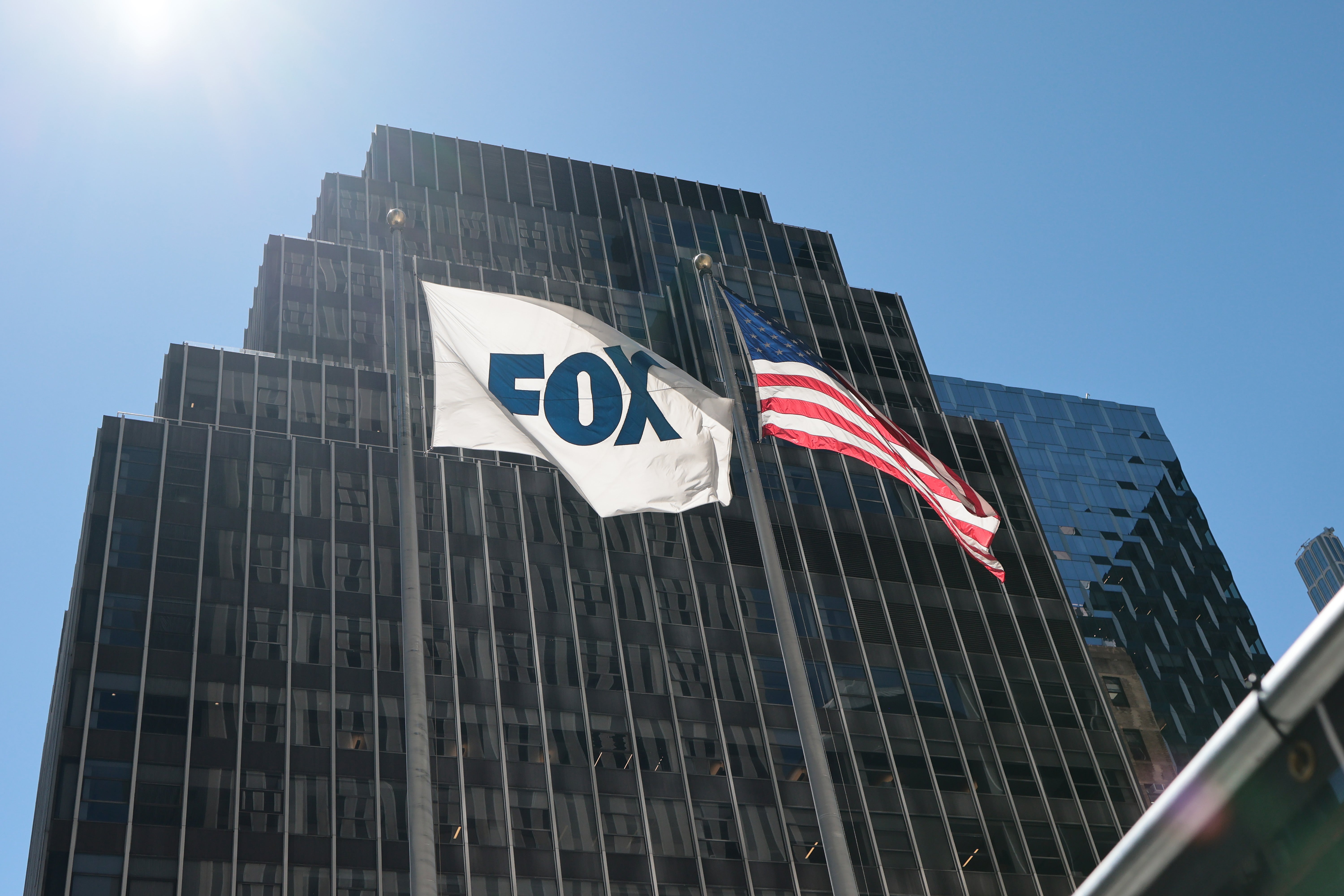
The Justice Department has cleared Fox Corporation’s proposed $22 billion acquisition of Roku, ending its antitrust review. The decision settles the department’s competition inquiry, while a separate question remains in public view: a watchdog group says a $1 million Fox donation to First Lady Melania Trump’s foster care initiative, made while the deal was under review, deserves congressional scrutiny.
The donation went in August to “Fostering the Future,” a program that provides higher education scholarships to young people who have been in foster care. The American Economic Liberties Project argues that its timing warrants attention because Fox was seeking government approval for a major media transaction at the same time. The timing alone doesn’t establish that the contribution affected the review. But when a company under federal scrutiny makes a large donation to an initiative associated with the first family, questions about access and public confidence are predictable.
“It should set off every alarm bell that the Fox Corporation is giving any money to the first lady’s foster care initiative during the Justice Department’s review of its Roku deal,” said Lee Hepner, the group’s senior legal counsel. Hepner called the contribution part of a “documented pattern” in which large media companies seek favor with the administration through donations and promises of favorable coverage. That’s an allegation from the group, not a finding by the Justice Department; the available account doesn’t show that the department connected the gift to its decision.

The American Economic Liberties Project urged the next Congress to examine transactions of this kind. Fox, the Justice Department and the Office of the First Lady were contacted for comment. The article doesn’t report whether any of them responded, leaving the watchdog’s criticism and the department’s stated competition rationale as the principal accounts available.
Why the DOJ approved the acquisition
The department examined whether the acquisition could weaken competition among free, ad-supported streaming services. Roku brings together services including Netflix, Hulu and HBO Max, making its platform an important point of access between viewers and the companies supplying programming. The central antitrust question was whether Fox, after buying Roku, might use that position to give its own content an advantage or disadvantage rival services.
The DOJ concluded that Fox was unlikely to favor its own content on the platform because doing so could expose the company to financial and reputational damage. That reasoning rests on an incentive: a platform that alienates viewers or business partners can undermine the value of the service it has just acquired. It doesn’t amount to a guarantee about every future programming or distribution decision. It’s the department’s assessment of what Fox would have reason to do after the deal.
Fox also committed to keeping Roku an “open and neutral content partner” after the acquisition. On that basis, the department said it had closed its investigation. The commitment gives the review a clear public rationale, though the account doesn’t describe how compliance will be monitored or what would happen if the commitment were breached.
This is more significant than it looks: the approval turns on how a platform owner might treat services and content it doesn’t own. Similar transactions often raise that basic question, because control of a distribution channel can shape what users see and how competitors reach them. Here, the department judged that the potential for financial and reputational damage would discourage Fox from favoring its own programming. And yet, the public explanation leaves room for lawmakers to ask how that judgment was reached.
Merger scrutiny ahead
The decision comes as congressional attention to corporate mergers is expected to increase. In October, Massachusetts Democratic Senator Elizabeth Warren released a report stating that 330 U.S. companies had announced large mergers since Donald Trump returned to office in January 2025. The report argued that companies may see the current environment as favorable for pursuing deals that could face greater resistance under a less business-friendly administration.
That report offers a broader political frame for the Roku decision, but it doesn’t establish that the Fox acquisition was improper or that the donation influenced the review. Those are separate questions: whether the transaction threatens competition, and whether corporate contributions made during a government review warrant closer examination. Keeping them distinct matters if lawmakers want answers that go beyond suspicion.
What lawmakers may examine
With the DOJ’s review closed, the donation’s timing and the department’s competition analysis are likely to draw further attention from lawmakers. They could seek to understand what information informed the department’s assessment of Fox’s incentives, and whether the company’s commitment to neutrality will be tracked after the acquisition. The account gives no indication that Congress has begun such an inquiry.
If you’re working in this space, the practical issue is the difference between a public commitment and a measurable safeguard. An “open and neutral” policy may reassure regulators, but its meaning depends on how decisions about content access are made and assessed. The reported material doesn’t spell out those details. That gap is where future scrutiny is most likely to focus (and this is the part most people overlook).
The donation raises a different question about transparency and public trust. Scrutiny can test whether the timing was coincidental and whether the approval process was insulated from outside influence, but the facts presented here don’t answer either question. A live issue for Congress, then. The deal is cleared; the debate over how it was reviewed may continue.

