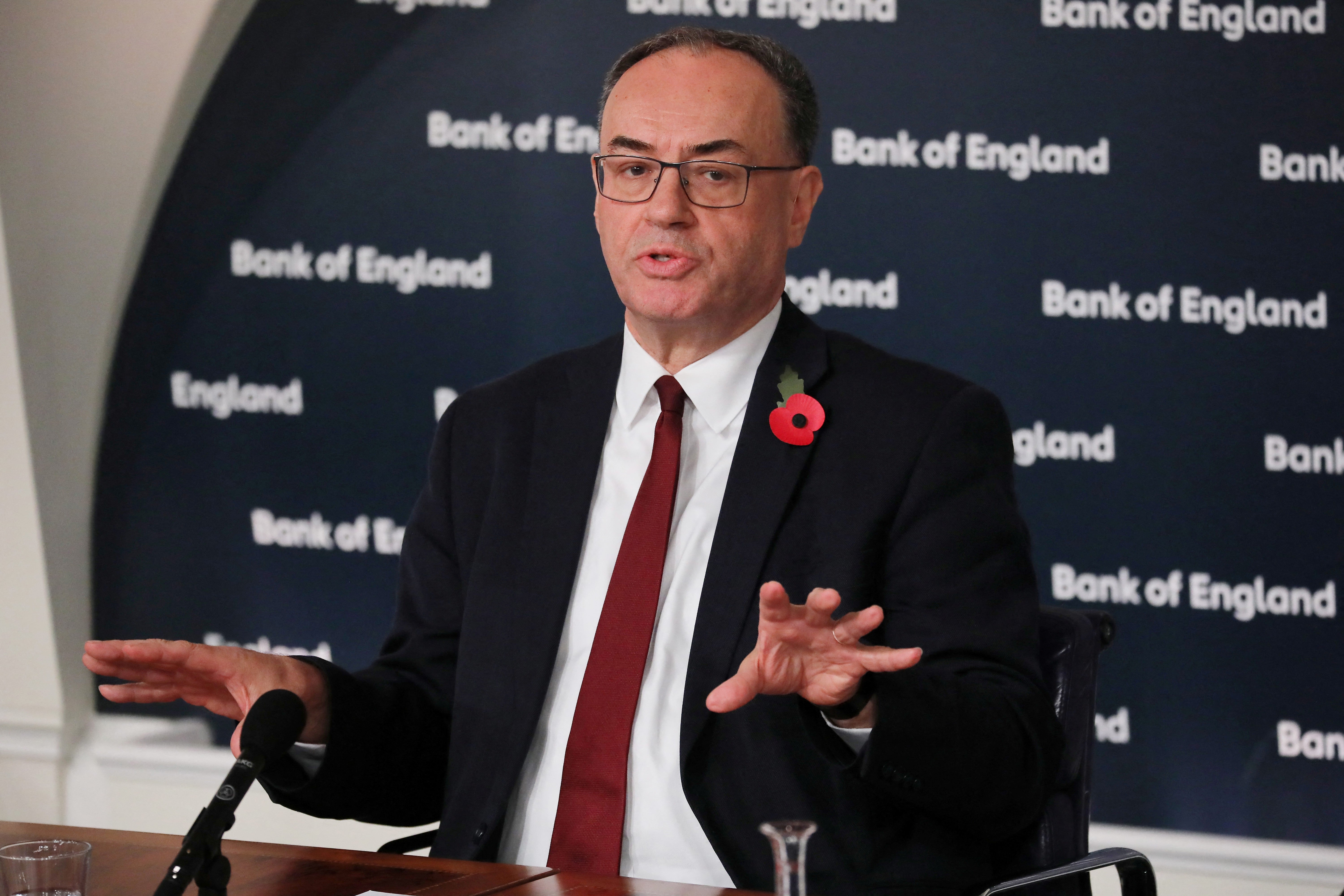
More open trade with the European Union would benefit UK growth, Bank of England governor Andrew Bailey has said, adding a rare economic voice to a politically sensitive debate over Britain’s post-Brexit relationship with its largest nearby trading partner. His position was carefully framed: he declined to take a view on Brexit itself, but said reducing barriers to trade would help the economy.
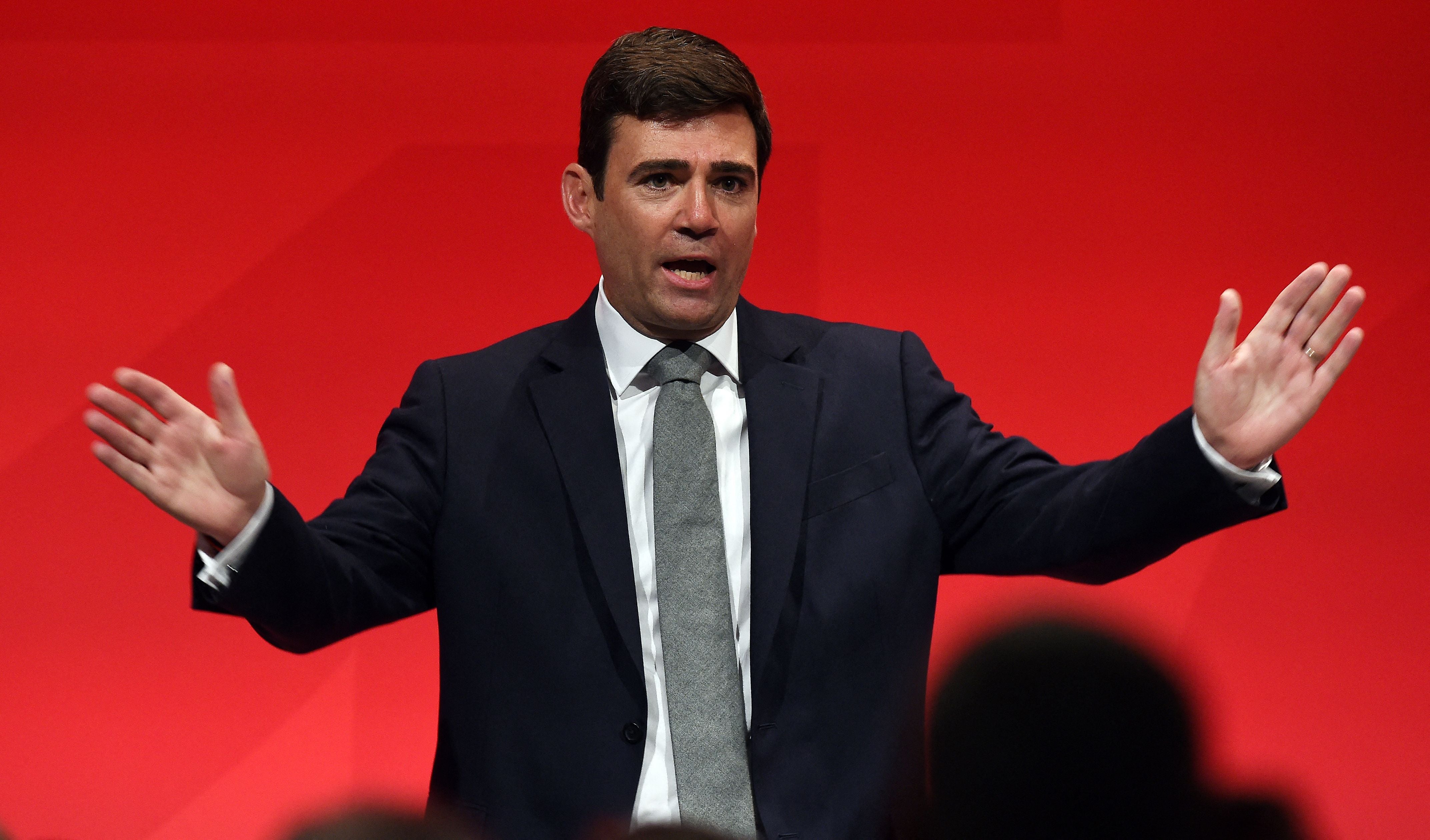
The comments arrive as Andy Burnham prepares to present options for a closer relationship with Brussels. The economic question is no longer just whether closer ties could help, but how much they could deliver, and whether any workable package can fit within the government’s existing political commitments.
Bailey backs trade openness, while avoiding a Brexit verdict
Asked by the BBC whether a different relationship with the EU could lift UK growth, Bailey said he had long avoided taking a position on Brexit “per se” as a public official. He then answered the underlying economic question directly: “Would the UK being able to trade more openly with its nearest neighbours, to have that trade, to have that market openness, be beneficial for growth in the UK? My view is yes, it would.”
That distinction matters. Bailey did not endorse a particular model for future ties, nor did he say that rejoining the EU was necessary to secure economic gains. His argument was narrower: greater access to nearby markets and fewer obstacles to trade would be beneficial for growth.
Other economists quoted in the debate broadly support that assessment. Stephen Millard, deputy director for macroeconomics at the National Institute of Economic and Social Research, said reducing trade friction with the UK’s nearest and largest trading partner should help productivity and growth. Jonathan Portes, an economics professor at King’s College London and former chief economist at the Cabinet Office, said Brexit had damaged the economy and that reversing some or all of its effects would boost growth.
Portes also identified the unresolved political choice. He questioned whether a politically feasible middle ground exists between the current arrangement and rejoining the EU. Bailey’s remarks leave that question open: they support more open trade as an economic objective, without specifying how far Britain would need to go to achieve it.
Growth estimates vary, and measure different things
Burnham has said new agreements with the EU could add billions of pounds to the UK economy, with an estimated boost to gross domestic product of around 0.4 per cent. A separate study by Stanford University professor Nick Bloom has estimated that Brexit has reduced GDP by 8 per cent. Those figures describe different claims: one concerns the expected effect of new agreements, while the other estimates the wider economic impact of Brexit.
The comparison highlights the limits of a targeted reset. Even if the projected 0.4 per cent gain is achieved, it would be much smaller than the 8 per cent figure attributed to Brexit in Bloom’s study. The estimates do not, on their own, establish what policies would produce either outcome or how quickly any effects would emerge.
The costs facing businesses are also part of the debate. Analysis cited in the discussion puts the expense of post-Brexit red tape for UK companies trading with the EU at £7.7bn over four years. That figure focuses on administrative burdens, rather than the full economic effect of leaving the bloc, but it gives a concrete measure of the friction businesses have had to absorb.
Trade access is only part of the argument
Mihir Sharma, principal research fellow at the Institute for Public Policy Research, argued that future prosperity depends not only on market openness but also on Britain’s ability to shape European rules. He warned that EU developments could affect financial services, one of the UK’s major economic strengths.
That points to a wider issue than border costs. Closer trade arrangements can reduce some barriers, but the terms of access and the rules governing markets also matter to firms deciding how to operate. Bailey’s comments establish a case for openness in general terms; they do not resolve how Britain might gain influence over rules while remaining outside the EU.
Advocates of rejoining have made larger claims about the potential economic return. Naomi Smith, chief executive of Best for Britain, said independent modelling projected that UK GDP would be boosted by at least £92bn if the country returned to the “heart of Europe”. Joe Meighan of European Movement UK said Bailey’s view should give the government confidence to pursue closer ties, arguing that reducing barriers could support businesses and living standards. These are arguments from campaign groups, and their projections and policy preferences should be read in that context.
The summit will test the limits of a reset
Burnham is expected to use a UK-EU summit in Brussels on 20 November to begin a discussion about the options available beyond the next election. The agreements under consideration include removing food and drink border checks and creating a youth mobility scheme for people under 35, giving them fewer restrictions on living, working or studying in Europe.
For now, Burnham has said he wants to be “bolder” than his predecessor, Keir Starmer, while continuing to operate within Labour’s manifesto commitments. Those commitments rule out free movement and rejoining the EU, the customs union or the single market. He has also said the public should be the “boss” of any future relationship.
The gap between those limits and the possible economic gains is the central test for the proposed reset. Specific agreements could ease some costs and open particular opportunities, but the available estimates suggest that limited measures and a much broader change in the UK’s relationship with Europe are not equivalent in scale. Bailey’s intervention reinforces the economic case for reducing trade barriers; the summit will show how far the government is prepared to translate that principle into policy.