Energy becomes a test of the UK-EU reset
The energy relationship between Britain and the EU is emerging as a central test of the Brussels summit on 20 November. Leaders from Germany, Belgium, the Netherlands, Luxembourg and Denmark want the UK and the bloc to agree a route toward closer cooperation, arguing that electricity market integration could strengthen clean energy links across the North Sea. Their appeal gives the summit a practical focus: how to coordinate energy systems across borders, even as the broader relationship remains politically sensitive.
Electricity links matter because they can connect markets and help move power between places where supply and demand differ. That’s the logic behind the leaders’ argument about the North Sea: cooperation could support a wider network for clean energy. But the letter doesn’t set out the technical design, costs or timetable for such a system. The political question is more immediate: whether the UK and EU can agree on a negotiating path that makes closer integration possible.
Five leaders make the case for closer energy ties
In a letter to European Commission president Ursula von der Leyen and European Council president António Costa, the five leaders called Britain a “close partner in the energy transition”. They said linking the UK to the EU’s internal electricity market was “necessary to unlock the full potential of the North Sea area and transform it into the largest clean energy hub in the world”. That is an ambitious description of what cooperation might enable, rather than a settled outcome of the negotiations.
The choice of language also signals that the signatories see energy as a shared regional interest. Electricity systems are connected across borders, so decisions about market access can shape how readily participants trade power. Still, a political endorsement doesn’t resolve the terms of that access. The details will determine whether the proposed link can move from a summit commitment to an arrangement both sides can operate.
“We call on you and the UK to agree during the summit on a path towards the conclusion of these negotiations,” the letter said, according to the Guardian. The wording asks for a route forward, not necessarily a completed deal at the summit. That distinction matters: agreeing on a process could show momentum while leaving the harder questions for later talks.
Burnham’s wider agenda meets negotiating conditions
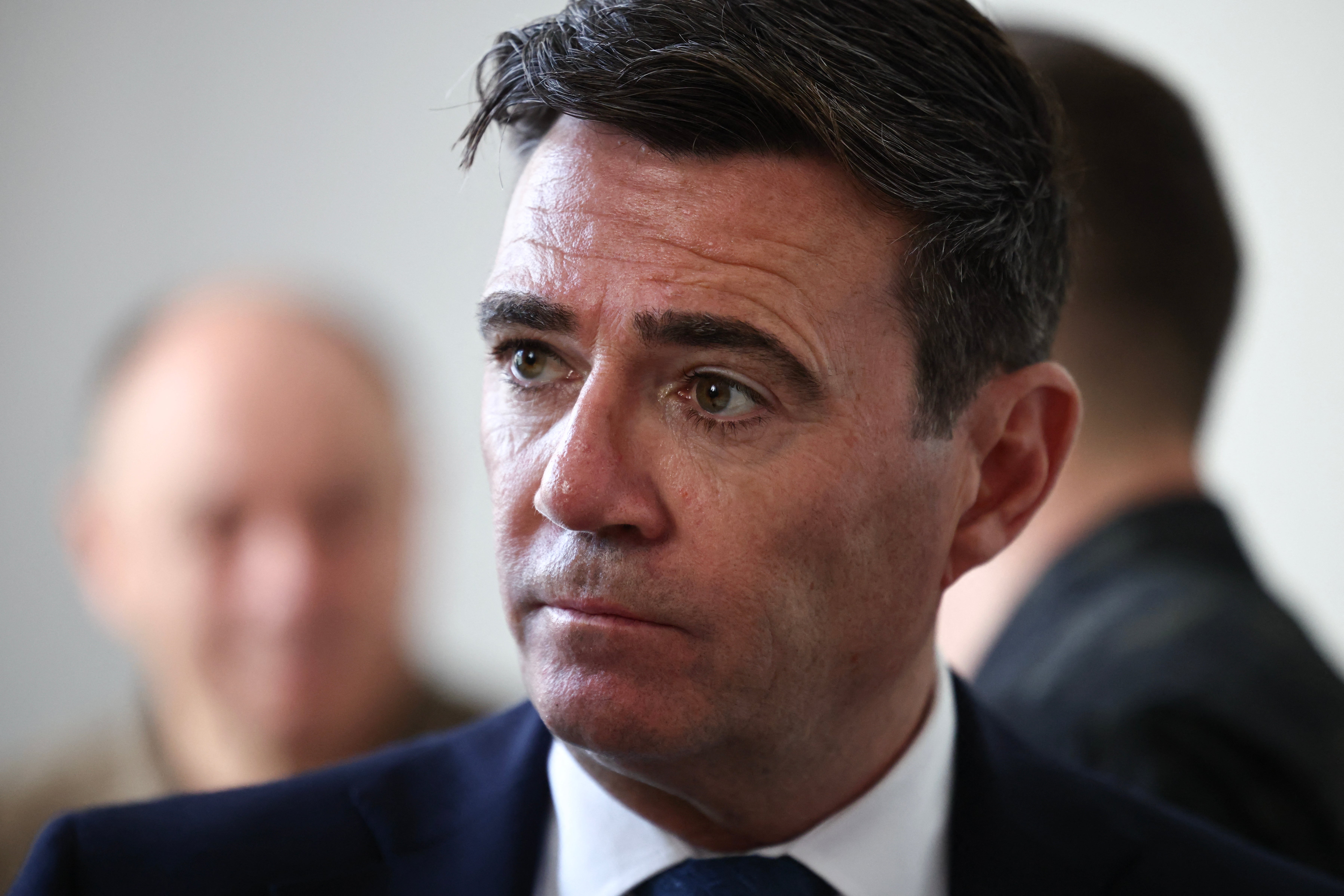
Prime minister Andy Burnham is due to meet von der Leyen and Costa at the summit. He plans to seek agreements aimed at reducing costs and administrative burdens for British farmers and businesses, supporting industry and lifting growth. Those aims span several parts of the UK’s relationship with the bloc, making the summit a test of whether leaders can secure progress on practical issues without settling every question about closer ties.
His team is also considering options for resetting the UK’s relationship with the bloc, including closer access to the single market. That’s a broader ambition than cooperation on electricity alone. Access often comes with conditions, and the negotiations described here suggest that the parties will have to weigh the benefits of closer connection against financial and policy commitments. If you’re working in this space, the distinction between a sector-specific deal and a wider reset is central: movement on energy wouldn’t by itself resolve the terms of single market access.
That ambition faces difficult trade-offs. Draft EU documents reported by Sky News say Britain would be expected to make an “appropriate level of financial contribution towards reducing economic and social disparities between the regions of the EU” in return for access to the electricity market. The phrase leaves the amount and precise arrangement unspecified in the information reported here, but it makes clear that access could carry a budgetary cost. The numbers here are underwhelming in their absence: without an agreed contribution, readers can’t yet judge how the proposed exchange would work in practice.
Both sides are seeking to finish negotiations quickly so the UK can join as soon as possible. Speed may help keep political momentum, but it can also leave a narrow window to settle complex terms. Here’s the thing: a fast agreement is useful only if both sides understand what they’re agreeing to and can put it into effect.
Other policy disputes complicate the talks
Other parts of the negotiations may prove more contentious. The EU is seeking changes to UK rules that allow foreign nationals to be deported after receiving a sentence. A British government source said the UK would reject that request, adding that EU member states have not yet approved the proposed requirements. The disagreement shows why progress on a shared interest such as electricity may not translate into agreement on other areas of policy.
That said, the source’s account also points to an unresolved position within the EU: member states haven’t approved the requirements. The available information doesn’t establish how that issue will be handled at the summit, or whether it will affect the energy negotiations directly. For now, it’s evidence that several strands of the reset are moving at different speeds.
Former EU Brexit negotiator Michael Barnier has also cautioned against expecting access to the single market on selective terms. Speaking on BBC’s Sunday With Laura Kuenssberg, he said: “There will be no possibility to have one freedom and not the other. The four freedoms are clearly the four conditions to be inside a single market.” His point sets a clear boundary around the broader ambition: closer access may involve commitments that reach beyond the specific benefits the UK wants.
What the summit can establish
The summit will therefore test how far both sides can advance practical cooperation while confronting the financial and policy conditions attached to closer integration. Energy may offer common ground, but any wider reset will hinge on the terms Britain is prepared to accept. This is more significant than it looks: a shared interest can open negotiations, but the terms decide whether the resulting arrangement is workable for both sides.
For readers watching the talks, the clearest signal may be whether leaders agree on a defined path and whether that path acknowledges the conditions described in the draft documents and Barnier’s comments. A statement of intent would indicate political support; it wouldn’t, on its own, settle the contribution, market access terms or disputes over other rules. And yet, even a process agreement could give negotiators a basis for continuing. A first step, then—not a finished reset.

