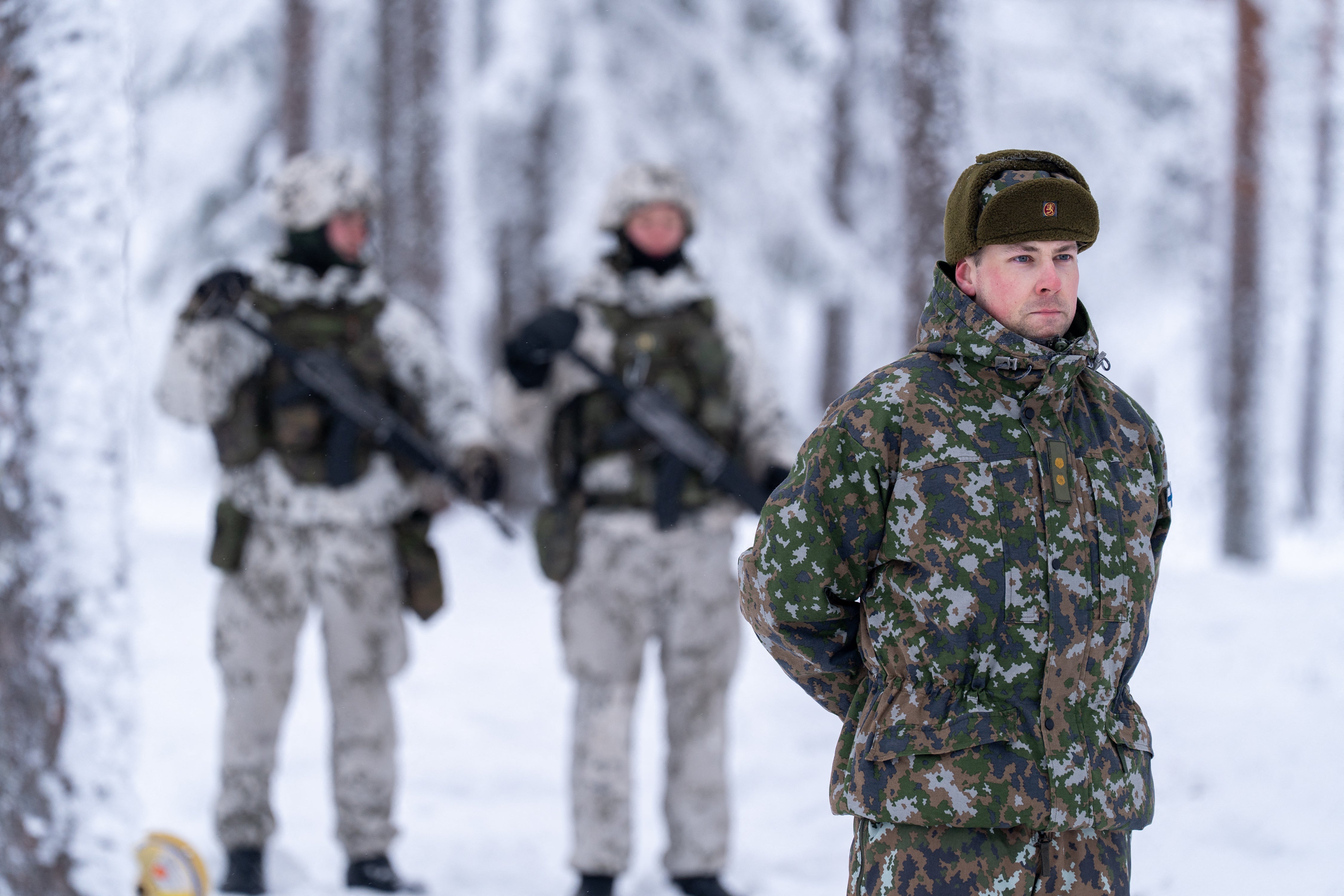
Finland faces a problem that Ukraine’s experience can’t solve on its own: defensive obstacles must work in terrain shaped by severe seasonal conditions. As Russia rebuilds its military stocks, Finland is studying Kyiv’s extensive defence lines while weighing what can be adapted along its 1,340km frontier. That distinction matters. A defensive system is only useful if it remains effective after the ground, water and weather have had their say.
Ukraine’s lessons meet Finnish terrain
Lieutenant General Pasi Välimäki, commander of Finland’s army, said Ukraine’s defensive lines and anti-tank obstacles have helped slow Russian attacks. Their value lies in making an advance harder and giving defenders more time to respond. But he cautioned that Finland’s environment presents different engineering challenges, so the same designs may not deliver the same results.
“Conditions in Finland are more challenging,” Välimäki told Bloomberg. He questioned whether deep anti-tank ditches and barriers could hold up in Finnish weather: “If we build fortifications and dig anti-tank ditches or obstacles as deep as those in Ukraine, how long does it take before our environment turns them into artificial ponds?” The question is practical rather than theoretical: an obstacle that fills with water or changes shape may no longer serve the purpose for which it was built.
That concern points to a limit on copying Ukraine’s approach. Finland wants obstacles that impede an advance, but their design must account for conditions that could fill or alter them. Engineering choices that work in one theatre can become maintenance problems in another. The hard part is adapting the underlying defensive logic to Finnish ground and weather.
Russia’s stockpiles add urgency
Välimäki said Russia has already begun rebuilding its military and weapons stockpile. T-90 tanks and BMP-3 infantry fighting vehicles have been delivered to storage facilities, he said. The reported equipment suggests that Finland’s planning has to consider a force rebuilding its capacity, even as the details of what that means for any future confrontation remain uncertain.
Finland can’t prevent Moscow from rearming, Välimäki said. Its aim is to create a “barrier” that would prevent Russian forces from moving farther toward Finland or the alliance. The emphasis is on shaping the border’s defences in response to a military buildup already under way, rather than assuming that Finland can control that buildup itself.
This is more significant than it looks: Välimäki’s description frames border infrastructure as a way to complicate movement, not as a promise that a line of obstacles can stop every advance. Defensive works can buy time and impose costs, but they depend on design, upkeep and the wider military response around them. If you’re working in this space, the Finnish question is less whether Ukraine’s methods are effective than which parts remain effective after adaptation.
Nordic leaders differ over direct talks
The border debate comes amid a separate disagreement over how European leaders should engage with Moscow. Finnish president Alexander Stubb and Norwegian prime minister Jonas Gahr Stoere spoke directly with Vladimir Putin last week, drawing criticism from Nordic counterparts. The calls put two approaches side by side: maintaining direct contact with Russia and insisting that European leaders present a more unified position.
Stoere said the call lasted about 90 minutes and was “frank and substantive.” He and Stubb connected the initiative to peace discussions planned between Russian, Ukrainian and US officials in Abu Dhabi next month. Those discussions would be the first since February. The leaders’ stated link to the planned talks gives the calls a diplomatic context, though it doesn’t settle the disagreement over whether direct engagement is useful.
The two leaders also spoke with Ukrainian president Volodymyr Zelensky. Ukraine’s foreign minister, Andrii Sybiha, said Kyiv had coordinated the call and described it as “the right approach.” He welcomed support for Ukraine’s diplomatic efforts and said a local ceasefire around the Russian-occupied town of Oleshky could “pave the way to other steps in the peace process”. That support matters to Kyiv, but a proposed local ceasefire remains one step within a much larger effort to end the war.
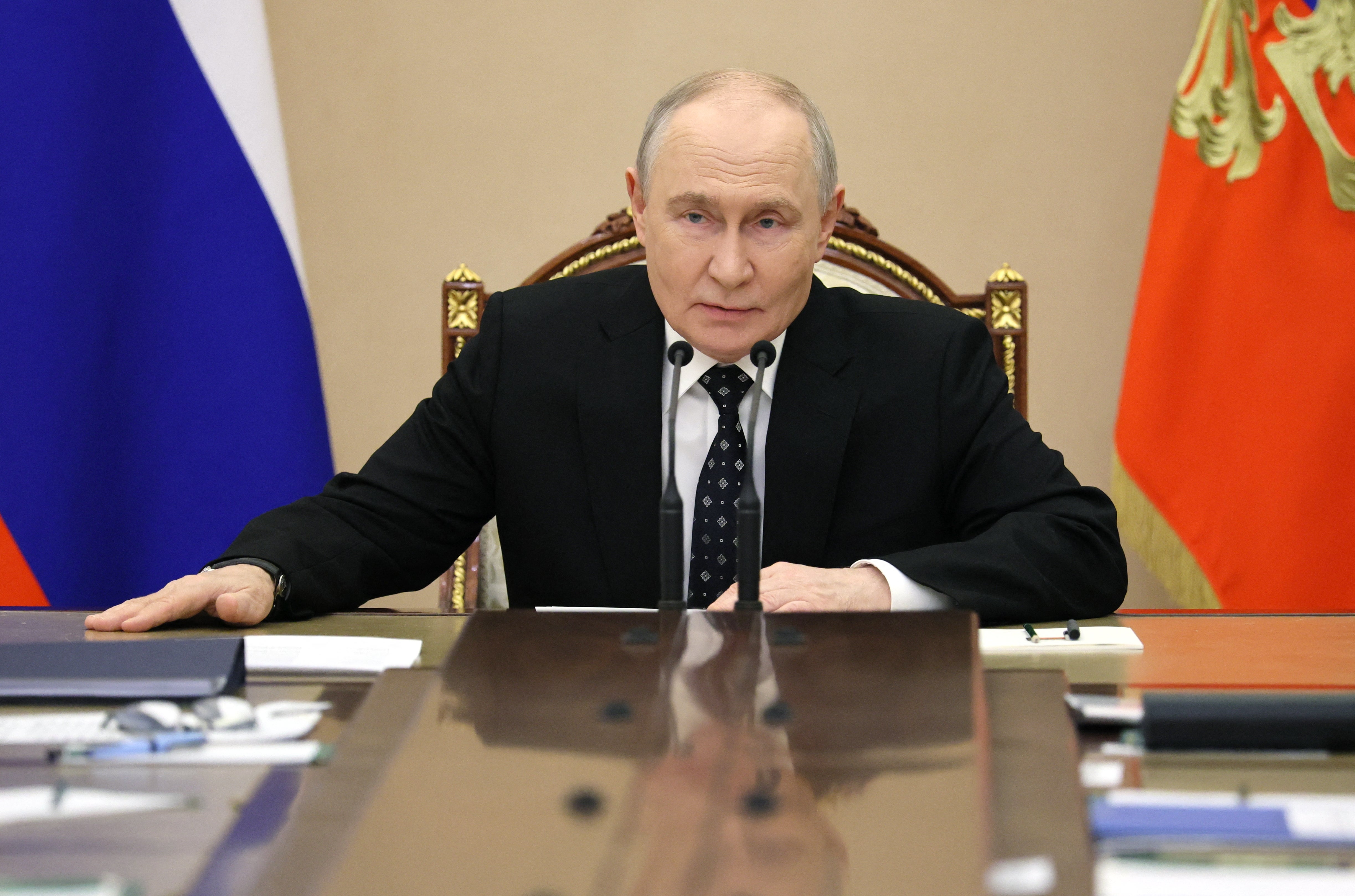
Stubb argued that Russia’s neighbours have a direct stake in the war’s outcome and that ending it requires direct discussions. Stoere said the leaders stressed de-escalation and voiced strong support for Ukraine. Their case rests on geography and a belief that proximity gives neighbouring states a reason to be heard in talks about the conflict.
Danish prime minister Mette Frederiksen rejected the approach, saying she saw no sign that Russia wanted peace. “I think Europe should stick together rather than going solo,” she said. Her objection is about coordination as much as contact: separate initiatives may make it harder to project a common European position, even when their organisers say they support Ukraine.
Border planning and diplomacy carry different risks
The exchange leaves Finland balancing two tasks: preparing its border for a rebuilding Russian force while navigating how Nordic and European leaders should pursue diplomacy. The tasks are related by the security context, but they demand different judgments. Fortifications must answer to terrain and military needs; diplomatic contacts must contend with questions of timing, coordination and credibility.
And yet. Finland’s study of Ukraine’s defences and the leaders’ direct calls with Putin both reflect the same pressure: decisions can’t be deferred until every uncertainty has cleared. The available facts show careful adaptation on the military side and open disagreement on the diplomatic side. Neither guarantees an outcome, but both will shape how Finland and its neighbours prepare for what comes next.

