A fisheries dispute with ecological stakes
The Argentine shortfin squid sits near the base of a South Atlantic food web, and rising fishing pressure is putting that role at risk. The concern isn't limited to the commercial value of squid or to the fleets competing to catch it: the species also feeds predators throughout the region. With the UK and Argentina at odds over the Falkland Islands, cooperation on managing fish stocks has stalled, leaving fleets from several other countries fishing heavily in contested waters. The result is a resource shared by many actors but, according to the article's account, managed through no effective shared framework.
Chris Atkins, founder and owner of Central America Fishing, describes the area more than 200 miles from the mainland as a “lawless zone where anything goes”. He told The Independent that without coordination from Argentina, Uruguay or the UK, fleets can fish around the clock throughout the year. That description is his assessment, rather than an independently established measure of fishing activity, but it points to the central management problem: when authorities don't coordinate, the practical limits on fishing may be weaker than the biological needs of the stock.
China, Taiwan, South Korea and Spain have sharply increased their activity in waters between Argentina, the Falklands and Uruguay. Atkins warns that the combination of intense fishing, weak management and short-term thinking “will surely end in tragedy if nothing changes”. The source doesn't provide catch figures or a time series to quantify the increase, so its scale can't be assessed here. Even so, the named countries and the reported absence of coordination make clear why the dispute has consequences beyond the parties claiming sovereignty.
Pressure on a key food source
Commercial fleets are targeting Argentine shortfin squid and hake. The squid is a major food source for penguins, sea lions, whales and seabirds, so a sharp decline could affect predators across the local ecosystem. Atkins says the loss of this “bait species” could trigger effects up the food chain and “potentially snowball into a catastrophe”. The point is that a fishery's impact isn't measured only by the number of animals removed from the water: it can also change the food available to species that depend on those animals.
That makes squid availability a shared ecological concern, even where countries disagree about political authority over the waters. Predators don't follow diplomatic boundaries, and declines in a key food source could reach beyond the area where fishing takes place. The article doesn't establish that such a collapse has happened; it describes a risk. This is more significant than it looks, because pressure on one commercially targeted species can matter to wildlife that isn't part of the fishery at all.
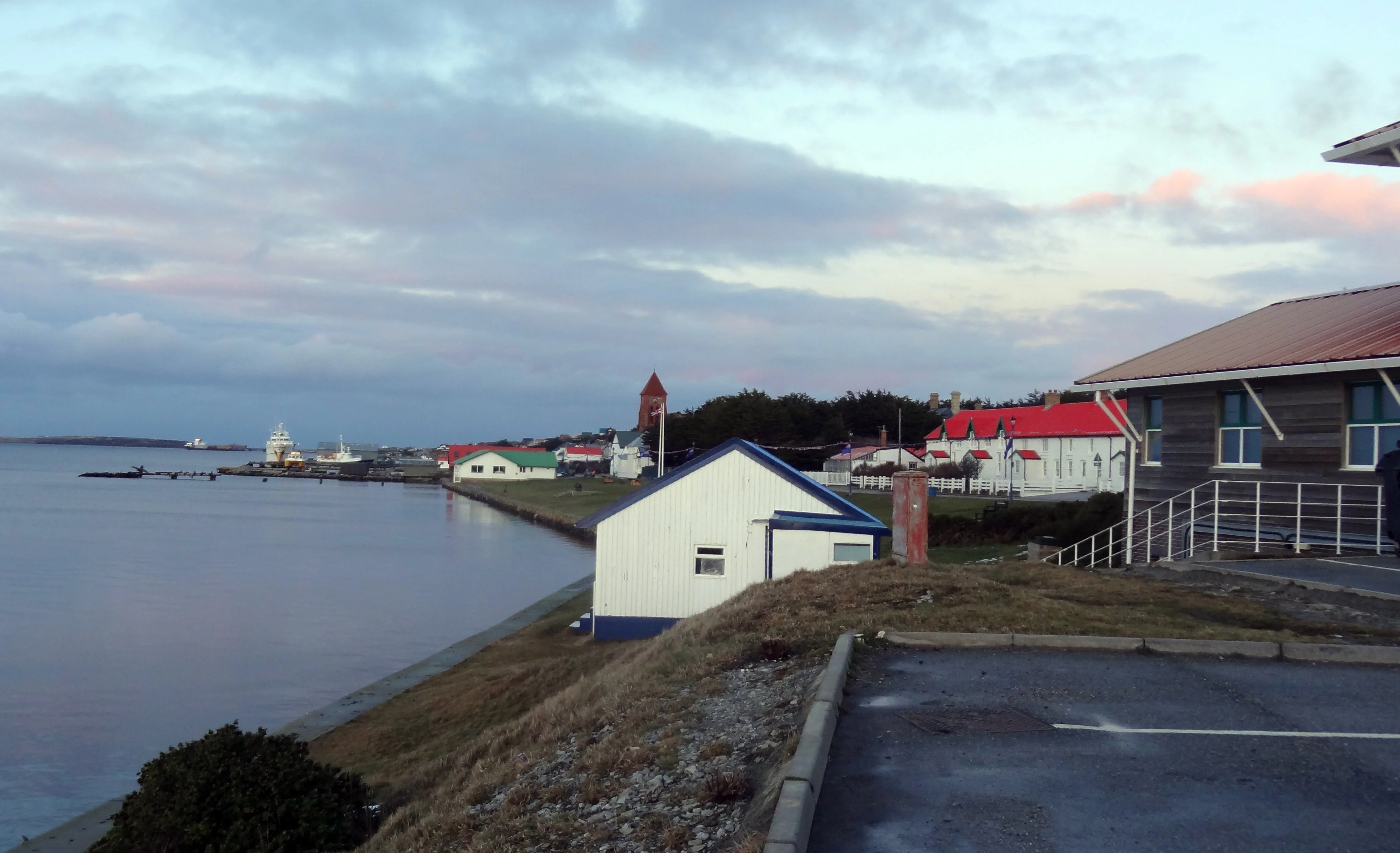
Drawing on conservation work in Central America’s sport-fishing industry, Atkins argues that baitfish and gamefish populations need time to reproduce. He says harvest limits should be set around each species’ needs so populations can remain stable and fishing can continue over the long term. The general principle is familiar across fisheries management: rules need to account for how quickly a stock can replenish, rather than treating each season's catch as an isolated opportunity. The article doesn't specify what limits would be suitable for squid or hake, and Atkins' experience in another region doesn't by itself settle that question.
Without agreed rules or ethical standards, he warns, fleets will prioritize immediate returns over future stocks. The warning describes an incentive problem: if one fleet restrains its catch while others continue fishing, restraint can carry a cost without protecting the resource. And yet, a lack of coordination doesn't make the ecological problem less real. It makes the response harder to organize and assess.
Dispute adds to the strain
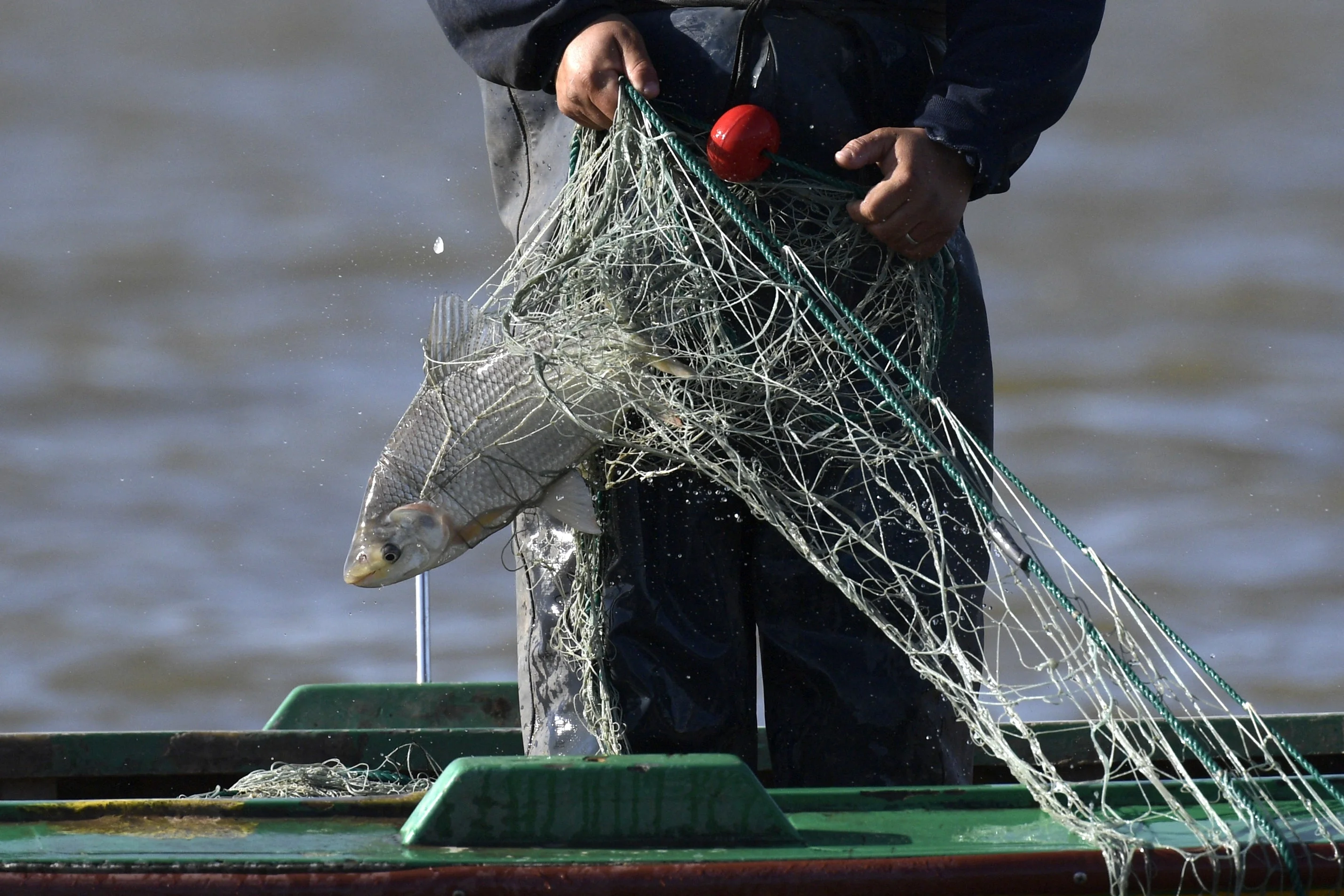
Fishing pressure is unfolding alongside renewed friction over the islands, which Argentina calls the Malvinas. HMS Medway, the British patrol ship stationed in the South Atlantic, fired 120 live rounds off the Falklands during sea trials. The crew said the exercise was routine training to certify them for front-line operations. Those details illustrate how military and diplomatic tensions remain part of the setting in which fisheries cooperation would have to take place; the article doesn't say the naval exercise was connected to fishing activity.
Argentina has also stepped up its diplomatic campaign, more than four decades after losing the 1982 war. Last month, President Javier Milei called the islands “under illegal foreign occupation” by the UK and threatened “to take matters into our own hands” in a speech at the UN General Assembly in New York. Such statements sharpen the political dispute, while the fishery presents a practical issue that spans the waters between Argentina, the Falklands and Uruguay.
Andy Burnham, meanwhile, said he would do “whatever it takes” to keep the Falklands British and that the UK would “stand firm in the face of any threats” to the islands’ sovereignty. The exchange underscores how far apart the political positions remain. Fisheries management would require countries to address a shared resource despite that disagreement, a task made harder when public debate centers on sovereignty and security.
What coordination would mean
The dispute makes joint fisheries management harder just as fishing activity is intensifying. Atkins’ warning points to a practical cost of that impasse: without coordinated limits that give squid and other stocks time to recover, pressure on the wider marine food web could keep mounting. For readers, the central question is whether governments can find a way to manage fishing activity across contested waters even while the sovereignty dispute remains unresolved.
If you're working in this space, the article's account leaves important questions unanswered: how much squid and hake are being caught, how stocks are changing, and what monitoring exists across the area. Those details would help distinguish a worsening trend from a risk that has yet to be measured. The absence of that information doesn't disprove Atkins' concern, but it does limit how precisely the scale of the threat can be described.
Here's the thing: a fishery can be politically contested and ecologically connected at the same time. Any approach that gives stocks room to reproduce would need to account for the fleets operating there and the species that depend on their catch. A shared food web. Whether the parties can coordinate around that basic reality remains uncertain.

