The planned Ukrainian GCSE addresses a gap that left some Ukrainian children in UK schools studying Russian because no Ukrainian language qualification was available. The government has apologised to pupils who felt pushed toward the Russian exam, and says the new course is expected to be taught from September 2028. That timetable gives schools and the exam board time to develop the course, but it also means pupils facing the current choice won’t benefit from it straight away.
A qualification shaped by community pressure
Education minister Georgia Gould announced the course at a west London school on Tuesday. “So many students were pushed into having to do Russian. I’m really sorry that they were put in that position,” she said, according to The Guardian. “It’s really important that they will have access to a Ukrainian GCSE.” The apology acknowledges a practical problem: when a school offers a language qualification that a pupil’s family or community associates with the aggressor in a war, the available exam can carry a meaning beyond its curriculum.
The AQA exam board is developing the qualification. Its creation follows lobbying by Ukrainians in the UK and Ukraine’s education ministry, which warned the Department for Education that, without a Ukrainian GCSE, school staff were pressuring some Ukrainian children to take Russian GCSEs. A qualification can only expand choice if schools can make it available, so the design process will need to translate the political commitment into a course teachers can actually deliver and pupils can take.
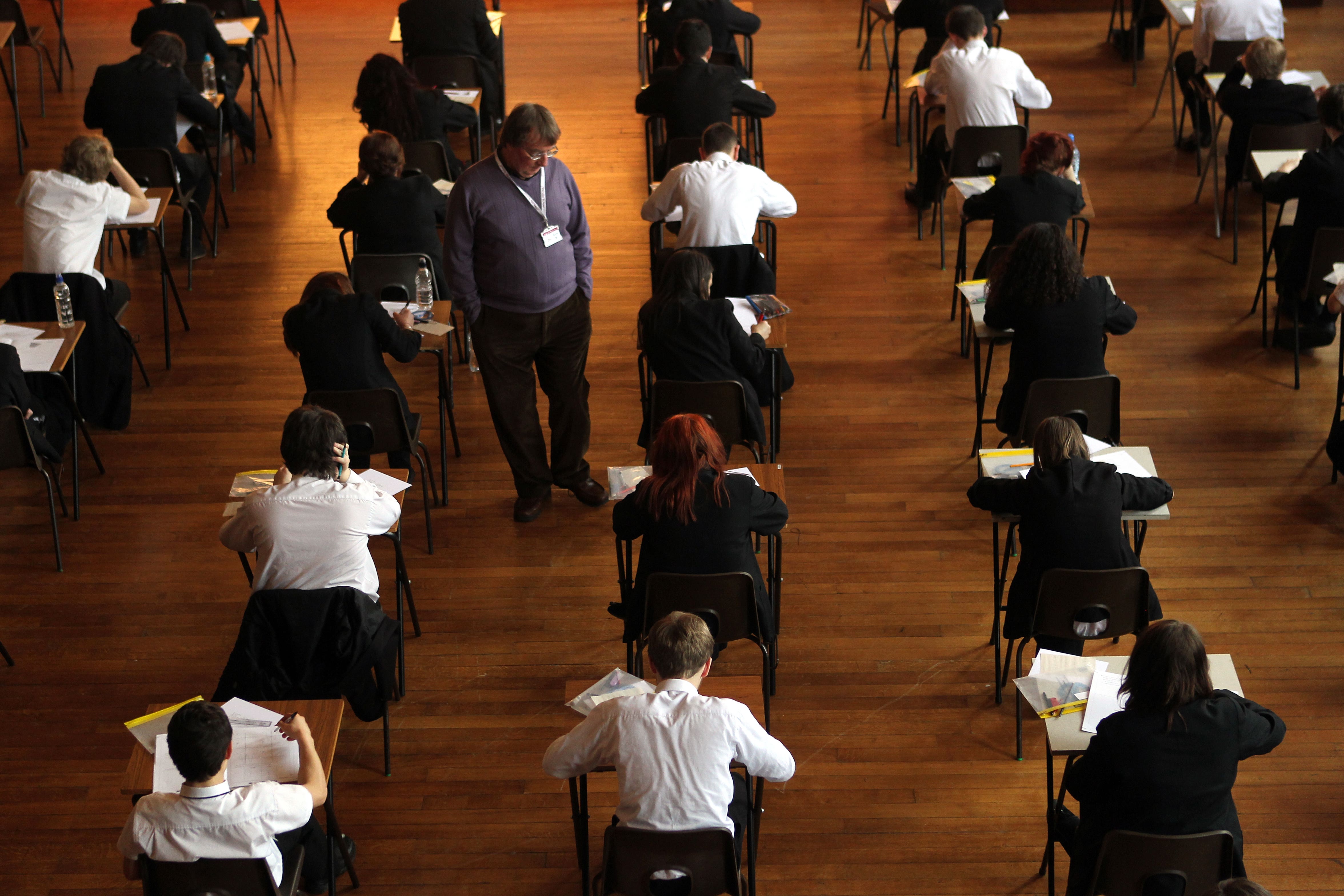
The course is part of the UK-Ukraine 100 Year Partnership signed by Sir Keir Starmer. The timing carries added weight: the Ukrainian language has become a cultural fault line in Russia’s war, with Putin banning Ukrainian books and teaching in occupied territory. In that context, a GCSE is more than an additional exam option. It gives the language a place in a recognised school qualification, though the announcement alone can’t show how many schools will offer it or how many pupils will enrol.
Language, identity and opportunity
Education secretary Lucy Powell said Ukrainian children should have “every opportunity to maintain that connection to their heritage and to be proud of who they are”. The GCSE will be open to all pupils, she said, and is intended to build language skills while introducing students to Ukraine’s culture and history. Powell also pointed to routes into further study and employment. That wider remit could make the subject relevant to pupils with different levels of family connection to Ukraine, as well as those who want to study the language for personal or academic reasons.
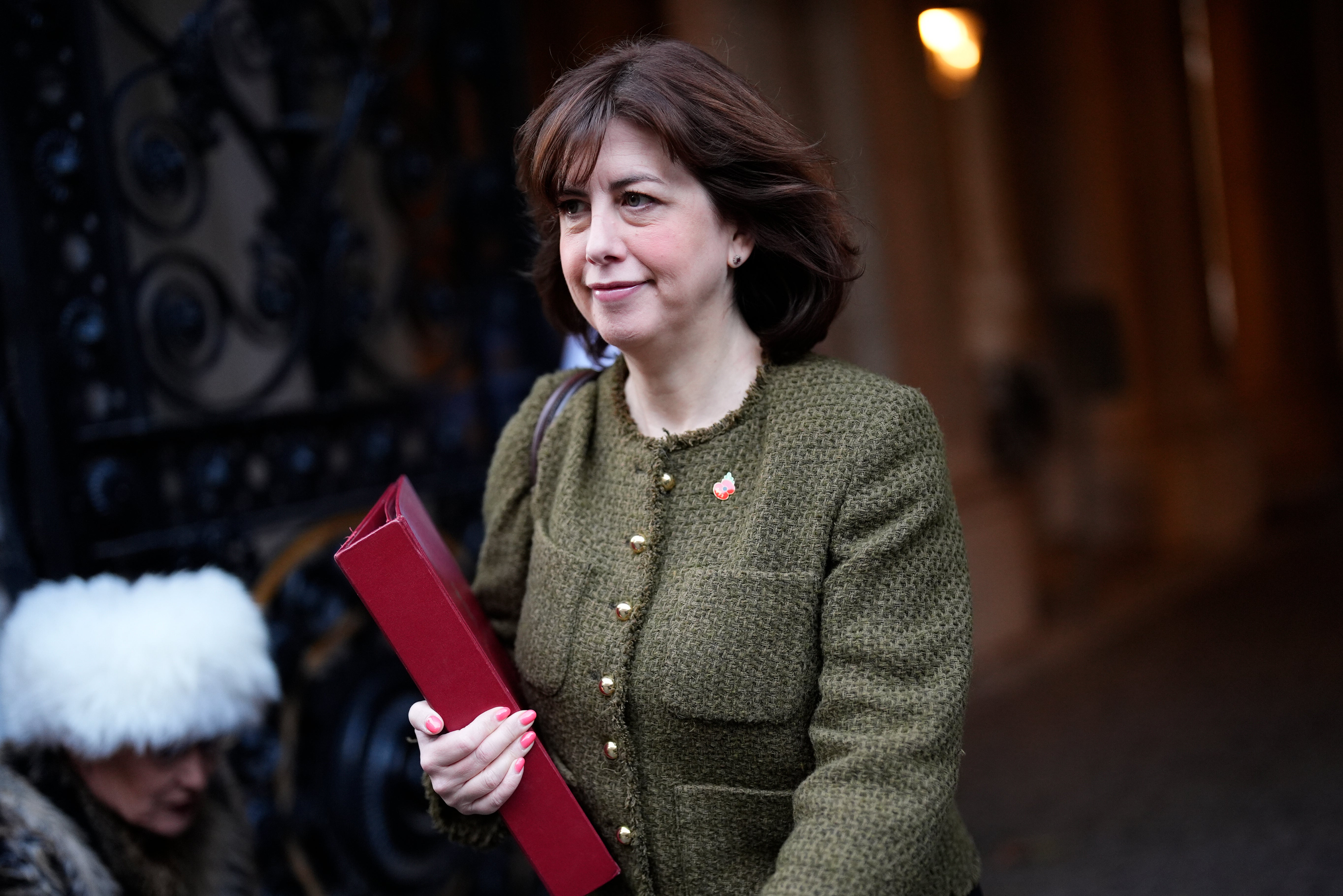
Andrii Butenko, Ukraine’s minister of education and science, called the announcement a milestone for a qualification long sought by the Ukrainian community in Britain. He thanked British schools for welcoming thousands of Ukrainian children after Russia’s full-scale invasion began in 2022, and welcomed what he described as a step toward giving them a genuine choice in education while respecting their identity. The language of choice matters here: a qualification can give pupils an option, but its practical value depends on whether schools have the capacity and staff to teach it.
What schools will need to make it work
The practical measure of the policy will be whether schools can offer the course when it arrives in 2028. That involves more than publishing a syllabus. Schools will need a way to fit the subject into their timetables, prepare pupils for assessment and ensure that teachers can support different levels of prior knowledge. The source announcement doesn’t set out how those arrangements will work, leaving implementation as the main test ahead.
This is more significant than it looks. A GCSE can make a language visible within the choices schools present to pupils, while giving families a formal route to support learning that may already take place at home or in community settings. If you’re working in this space, the question to watch is whether access extends beyond schools with established links to Ukrainian communities. And this is the part most people overlook: an exam option matters only when a pupil can realistically take it.
The test after the announcement
The planned course is a clear response to a gap identified by Ukrainian families and education officials. Yet the commitment will be judged in classrooms, where a qualification has to be taught, understood and reachable. September 2028 is the stated expectation; until then, the announcement sets a direction rather than resolving the immediate constraint for pupils who currently have no Ukrainian GCSE to choose.
For Ukrainian pupils, the course would make maintaining their language part of their formal education rather than a choice constrained by the exams already on offer. A qualification with cultural and historical content could also give the subject a broader place in school life. The idea is straightforward. Delivery will decide its reach.

