Airlines bore most of the cost
The September air traffic control failure exposed how disruption at a single system can leave airlines carrying most of the bill. The Cyber Monitoring Centre (CMC) estimates the incident cost the UK economy £33 million, with National Air Traffic Services (Nats) absorbing less than £1 million. That gap matters: the organisation at the centre of the failure recorded a small share of the estimated losses, while businesses and passengers further along the travel chain bore much of the immediate impact.
The fault struck Nats on 8 September and, according to the CMC, originated in a previously unknown defect in legacy software. Nats said it occurred “in the space of a millisecond”. More than 2,000 flights were cancelled, affecting hundreds of thousands of passengers, while delays and diversions extended the disruption into the following day. A fault that brief can have a much longer operational tail: once flights are cancelled or displaced, airlines and airports have to deal with the resulting schedule and passenger disruption.
The £33 million estimate covers losses to UK airlines, airports, ground operators and tour operators. The CMC says airlines absorbed more than three-quarters of the financial impact, while Nats lost less than £1 million in route charges on cancelled flights. Route charges capture only one part of the operator’s exposure; the estimate also shows how a service interruption can shift costs to organisations that depend on the system to keep their own operations running.
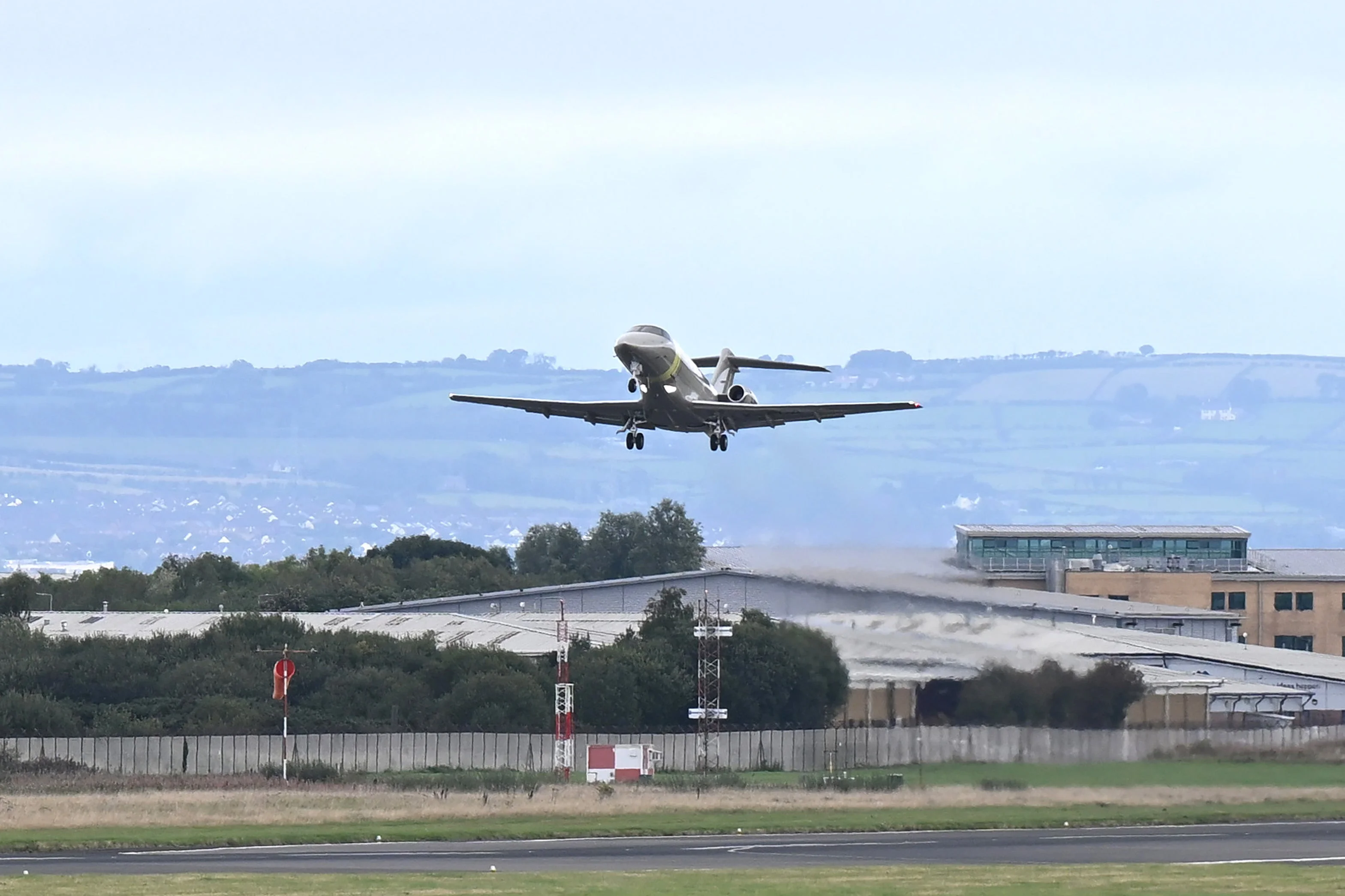
Including overseas airlines raises the estimated loss to between £48 million and £76 million, the CMC said. That range excludes losses to other non-UK organisations, including airports. It also leaves out the cost of Nats’ internal investigation and any future resilience spending. The CMC assumed no material external response or system rebuild costs because Nats staff handled the incident response and repair. So the estimate is a view of costs within stated boundaries, not a full accounting of every consequence.
A failure with costs beyond the operator
The CMC assigned the incident the lowest impact rating on its five-point scale and said it was accidental, not malicious. “This was an accidental technology failure, not a cyber attack, and safety was maintained throughout,” said Ciaran Martin, chair of the CMC technical committee. The low rating and the large economic estimate measure different things: one describes the CMC’s impact classification, while the other captures the reported financial burden across affected organisations.
Martin compared the event’s wider effects with the 2024 CrowdStrike outage, saying a fault in one system can spread disruption and costs across dependent organisations. His point is practical: companies need to account for failures in the systems they rely on, as well as those they own. A supplier’s software may sit outside a company’s direct control, but the consequences of its failure can still land on that company’s customers, staff and operations.
Nats’ preliminary report also attributed the 8 September incident to a software problem rather than “any incorrect actions”. A separate air traffic issue less than two weeks later caused more than 170 further cancellations. Nats chief executive Martin Rolfe faced calls to resign after the two incidents, including from Ryanair. The second event adds pressure to questions about reliability, but the available findings don’t establish that the two problems shared a cause.
What the estimate leaves open
Nats said it had noted the CMC’s findings but would not comment on them while the Civil Aviation Authority conducts an independent review of the 8 September incident. The cost estimate makes the distribution of losses clear; the review will address the incident itself. Those are separate questions: the estimate describes who paid and how much, while the review is expected to examine the failure’s circumstances.
This is more significant than it looks. The CMC’s figures suggest that the operator’s direct financial loss can be much smaller than the wider cost imposed on organisations that depend on its service. The estimate doesn’t settle who should bear those costs, and it excludes some possible expenses, but it gives a concrete reason for businesses to consider how they would absorb disruption at a critical supplier.
If you're working in aviation or another sector built around shared systems, the relevant question is how quickly your operation can recover when a dependency fails. Similar systems typically connect many organisations, so a fault in one place can produce costs in several others. And that’s the part most people overlook: the repair may be handled internally, while the operational bill continues to travel outward. The failure lasted a moment. Its effects did not.

