Digital adoption in the Philippines is pushing into daily life at a striking pace. Filipinos report high use of social media, online video and generative AI, while AI-generated content is already complicating efforts to protect children and maintain trust in elections. The figures in the Digital 2027 report offer a snapshot of that shift, but they don’t explain every consequence. They do show why access alone can’t answer questions about digital literacy, platform responsibility and the ability to judge what people see online.
Filipinos spend more time online
Filipinos aged 16 and older spend an average of 36 hours and 12 minutes a week on social media and online video, according to Meltwater and creative agency We Are Social’s Digital 2027 report. That’s nearly twice the global average of about 19 hours. The report covers more than 230 countries and territories, giving the comparison broad reach, though a national average can’t show how usage differs among people, households or communities.

READ: Digital 2027 report: Global use of GenAI tools rises, web browser activity declines
Generative AI use is also widespread. In the report, 94.4% of Filipinos said they use AI tools monthly, compared with 85.2% globally. ChatGPT use in the past month stood at 54.6%, against a global average of 34.7%. These figures suggest that AI tools have become part of ordinary digital habits for many respondents, though monthly use doesn’t tell us what people use them for or how often they rely on them. The measurements cover adults and older teens, but children’s online exposure adds another dimension to the debate over screen time and safety. This is more significant than it looks: high use means questions about reliability and responsibility are no longer limited to specialists.
Child safety puts platform responsibility in focus
At a Meta-hosted forum last week, government, civil society and technology representatives discussed online safety for children and how young people and parents can recognize risks. The discussion followed several reported incidents of school violence across the Philippines. That timing puts pressure on the public debate, but the available account doesn’t establish a direct link between those incidents and online activity. The practical question is how families and platforms can respond to harmful material without treating every young user’s experience as the same.
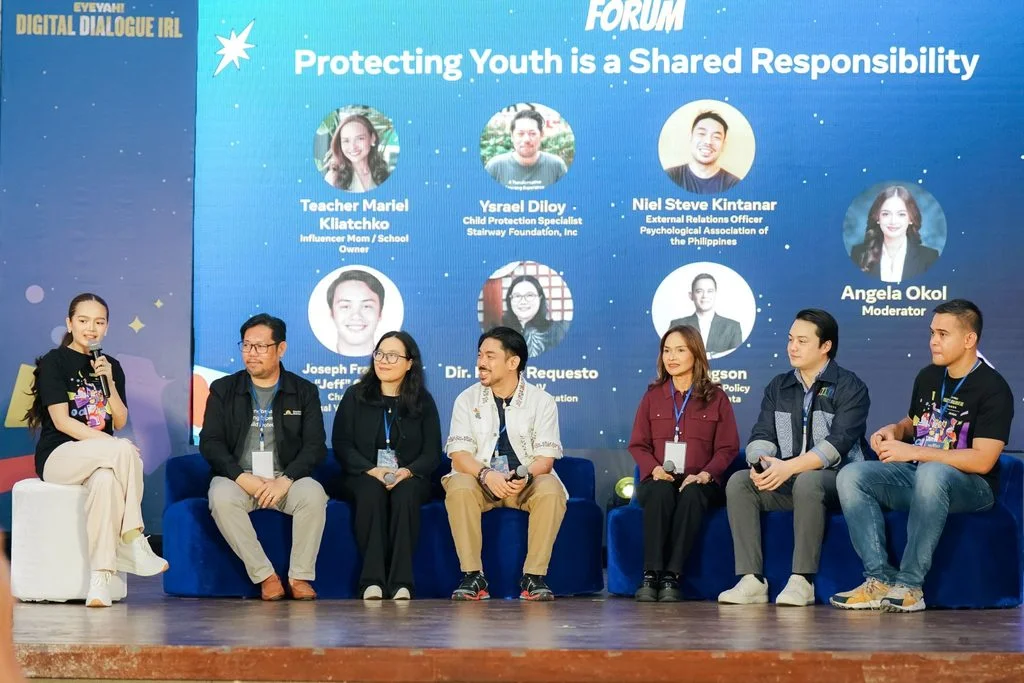
READ: Ban or tiered limits? Meta, gov’t agencies discuss child online safety
Meta pointed to features such as age verification and parental controls. Those tools can help families set boundaries and manage access, but they place much of the work on parents and young people, who may not have the time or information to assess every risk. They can also be circumvented. Harmful material can still reach users, and generative AI makes it possible to produce it quickly. If you’re working in this space, the distinction matters: controls can reduce exposure, but their presence doesn’t show that harmful content has been prevented.
AI content tests election safeguards
Brazil’s 2026 general election offers a recent example of the challenge. A report by fact-checking agency Agência Lupa found that about 60% of the AI-generated political content it monitored consisted of deepfakes without transparency labels. Rules banning deepfakes and requiring disclosure of AI-generated content were in place, yet Agência Lupa founder Cristina Tardáguila said they were “fully and truly disrespected by all stakeholders.” The finding concerns the content the agency monitored; it doesn’t establish the prevalence of deepfakes across all political material.

READ: Lessons for the Philippines: AI content surge bypassed Brazil’s election rules — report
Those cases connect a high-volume online culture with practical questions about who bears responsibility when AI-generated material spreads. Rules can set expectations, while platform controls can shape what circulates; public awareness affects whether people recognize and question what they encounter. Each approach has limits when people can produce and share convincing content at speed. And this is the part most people overlook: the existence of a rule says little about whether users will see a label, understand it or trust it.
Putting people at the center of the AI debate
Rappler’s Social Good Summit will take up those questions on November 21 under the theme “We, The Humans.” The event will focus on human values, creativity and community amid the harms associated with unregulated or abused AI. A summit can bring different concerns into one discussion, but its themes also point to a larger challenge: deciding how much responsibility belongs to people, platforms and institutions as AI tools become common.
Speakers include Nobel Peace Prize laureate Maria Ressa, historian Yuval Noah Harari (pre-recorded), human rights activist Agnès Callamard, Nobel Committee Chair Jørgen Watne Frydnes and AI Singapore’s Leslie Teo. The full speaker list is available online. Their varied backgrounds reflect the event’s stated focus on technology’s human consequences, although the speaker list alone can’t settle the policy and safety questions raised by widespread use.

Explore: Social Good Summit 2026: We, The Humans
Attendees can choose two of six masterclasses, covering privacy in the age of AI agents, vibe coding, editorial cartooning, crisis management and data-driven storytelling. The last session will be led by the author and colleague Kit Posadas. Tickets are available here. The range of subjects suggests that the event treats AI as a social and creative issue as well as a technical one.
What the figures leave unresolved
The report’s usage figures establish the scale of digital activity, while the safety and election examples show why scale matters. More time online can mean more exposure to useful tools and information, but it also makes the quality of safeguards and people’s ability to assess content consequential. The figures don’t measure those outcomes directly. That said, they give a clear reason to ask how platforms explain their protections and how well users can distinguish authentic material from AI-generated content.
For readers, the immediate implication is simple: digital literacy can’t stop at knowing how to use a service. It also means understanding that labels, parental controls and platform rules have limits, and approaching convincing content with care. A harder question for the industry is whether protections can keep pace with the ease of producing and distributing synthetic media. The evidence here doesn’t answer that question. But the gap between widespread adoption and uncertain safeguards is where the next debate will take shape.

