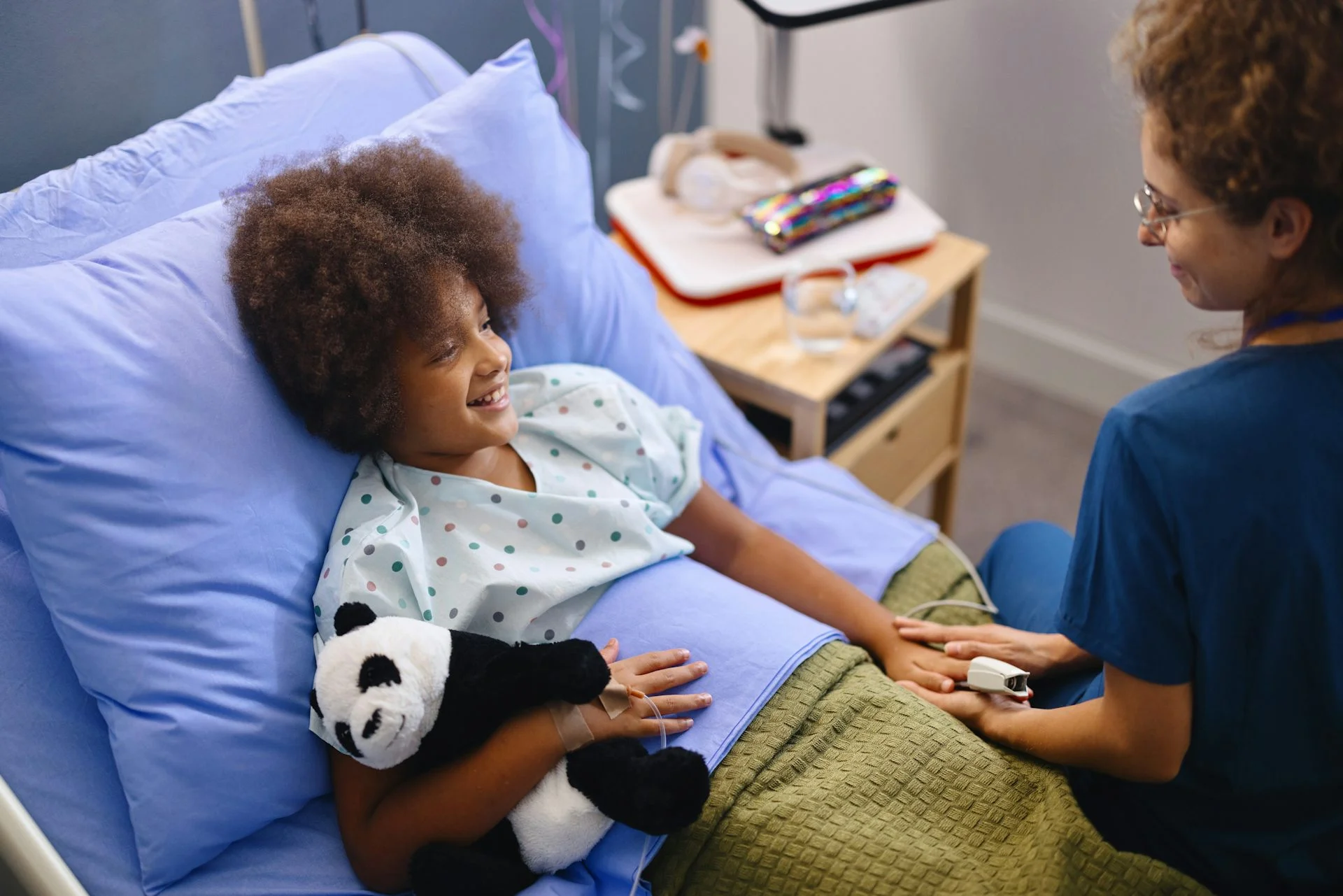
When a child has a life-limiting illness, good care has to do more than treat the disease. It must also ease symptoms, help parents weigh difficult choices and protect a child’s quality of life. Pediatric palliative care brings those needs into the clinical plan, alongside treatment intended to cure or extend life.
That distinction matters. Palliative care is not defined by how much time a child has left. Its purpose is to help children and families live as well as possible through serious illness, including when treatment continues and the outcome remains uncertain. Yet the specialist teams that provide this care are still beyond reach for many families, especially outside major hospitals and in lower-income countries.
Care built around the child and family
Pediatric palliative care took shape as a distinct field in the 1990s and early 2000s, drawing on the adult hospice and palliative care movement. It recognizes that children’s illnesses and family circumstances call for a different approach: Children may live for years after diagnosis, and decisions affect parents, siblings and other caregivers as well as the patient.
The scale of need is substantial. About 7 million children die each year worldwide, and many more live with conditions that could benefit from palliative care. Estimates are difficult to compare, but one analysis suggests that more than 21 million children globally could benefit from this approach.
Specialist teams can include doctors, nurses, social workers, child life specialists, chaplains and other health professionals. Together, they address physical symptoms and the social, cultural and spiritual needs that shape a child’s experience. The goal is practical: help the family make each day as good as it can be, whatever the illness’s course.
Consider an infant with a rare genetic disorder affecting vital organs and shortening life expectancy. She may need repeated hospital stays for acute illness, pain or difficulty breathing. Her parents may face choices about treatments that could prolong life but also bring burdens without changing the long-term outlook. A palliative care team can help the family understand the options and plan around what matters to them, making room for comfort and positive moments alongside medical care.
That work depends on listening, not simply applying a standard protocol. Every child has a right to care that reflects their circumstances and values, including when illness cannot be cured. A well-supported family can make informed choices with clinicians and reduce the chance that a child undergoes interventions unlikely to help.
Symptom relief and care aligned with family goals
Families who have received pediatric palliative care have described it as a lifeline through diagnosis, daily life with serious illness, death and bereavement. Research over the past two decades points to measurable benefits for children, too: Those receiving specialist support report less pain, nausea and other distressing symptoms that can interfere with everyday activity and quality of life.
The approach can also improve decisions during intensive care. Studies find that children admitted to intensive care for life-threatening illness are more likely to receive care consistent with their goals when palliative care specialists are involved. They are also less likely to choose life-sustaining therapies that would not change the long-term prognosis.
That does not mean palliative care teams make treatment decisions for families. Their role is to clarify what treatments can realistically achieve, discuss the burdens and benefits, and help families connect choices to their priorities. For clinicians, that work can bring a child’s comfort and family’s goals into conversations that might otherwise focus mainly on the next medical intervention.
U.S. programs leave gaps outside hospitals
The United States has established pediatric palliative care programs at nearly 80% of children’s hospitals. That coverage is a notable base, but a hospital program does not guarantee continued support after discharge. Clinic and home services are less consistently available, leaving families to navigate symptoms and care decisions between hospitalizations without the same specialist input.
Availability also varies by location. Urban centers and academic medical centers are more likely to offer pediatric palliative care than rural communities and community hospitals. The shortages are especially visible in rural states and the Southeast, where racial and socioeconomic health disparities have long shaped access to care. A family’s address can therefore affect whether it can get the interdisciplinary support this model depends on.
These gaps matter because seriously ill children may move repeatedly between home, clinic and hospital. If a specialist team is available only during an admission, families can lose continuity at precisely the point when they need help managing symptoms or revisiting treatment plans. Expanding home and outpatient services is a key part of making hospital-based programs useful across the full course of illness.
Most of the need is outside high-income countries
The access challenge is larger globally. More than half of the world’s population lives in countries where palliative care is classified as emerging or progressing, while only 28 countries are rated as having advanced development. For pediatric palliative care, one study identified just 11 countries at the highest level of development.
The distribution of need makes this shortfall especially stark: As many as 97% of children needing palliative care live in low- and middle-income countries. In many of these settings, children have less access to diagnostic tests and treatment, may be diagnosed later and have fewer opportunities for curative therapy.
The conditions driving need also differ from those commonly seen in higher-income countries. In developing nations, about 30% of children who could benefit from palliative care are living with HIV. Complications from premature birth account for roughly 18%, while congenital malformations and injuries leading to severe neurological impairment each account for about 16%. Cancers such as leukemia and solid tumors make up around 4% of cases in these regions.
Building services where resources are scarce
In many lower-income countries, the barriers are basic as well as organizational. Morphine, an essential medicine for pain and other symptoms, may be unavailable. Health workers may not have training in core palliative care practices, and health systems may lack the infrastructure to deliver even basic services, let alone develop specialist programs for children.
There are starting points. Existing models can guide countries building services, while community partnerships can connect families with local support. Online courses and video calls can help train health workers and maintain relationships across distances. Those tools cannot replace access to medicines or sufficient staffing, but they can help spread skills and support where specialist teams are scarce.
For health systems, the central task is to treat palliative care as part of children’s care throughout serious illness. That means linking hospital teams with clinics and home services, preparing more clinicians to manage symptoms and communicate with families, and adapting programs to local needs. When medicine cannot cure a child, teams can still relieve suffering and help families make the time they have more meaningful.

Khaliah Johnson has received funding from the Cambia Health Foundation to support her leadership and scholarship in pediatric palliative care. She is on the board of the Georgia Hospice and Palliative Care Organization and a non-profit organization entitled "Families First."
Emilee Flynn does not work for, consult, own shares in or receive funding from any company or organization that would benefit from this article, and has disclosed no relevant affiliations beyond their academic appointment.

