A small package, a wider policy question
The UK is preparing to consult on whether single-serving condiment sachets should be restricted across the country, a move that would extend rules already due to apply in Northern Ireland. The proposal puts a small but highly visible item of food packaging into the wider debate over UK alignment with EU standards. Its significance isn’t the size of the packet; it’s the question of how far standards that apply in one part of the UK should shape policy elsewhere.
For consumers, sachets are an ordinary feature of eating out. For policymakers, they sit at the intersection of waste reduction, food service and the practical consequences of different rules within the UK. A consultation would give businesses and other interested parties a chance to respond before the government settles on a position. That process matters: a restriction can sound simple in principle, while its day-to-day effects depend on how it’s designed and applied.
What the rules would cover
Defra minister Emma Hardy set out the difference in a written parliamentary response to Conservative shadow cabinet office minister Mike Wood. Under the Windsor Framework, the EU ban on selling or providing single-serving containers of ketchup, mayonnaise, sugar, salt, oil and vinegar will apply in Northern Ireland. It won’t cover the rest of the UK under the current EU reset arrangements, she said, adding that a consultation on alignment is planned.
That distinction makes the sachet proposal part of a larger question about how UK rules relate to EU requirements after Brexit. The framework sets arrangements for Northern Ireland, while the current reset arrangements leave the rest of the UK outside this particular ban. A consultation on alignment would test whether the government wants to narrow that difference. It doesn’t, by itself, establish what the final policy will be.
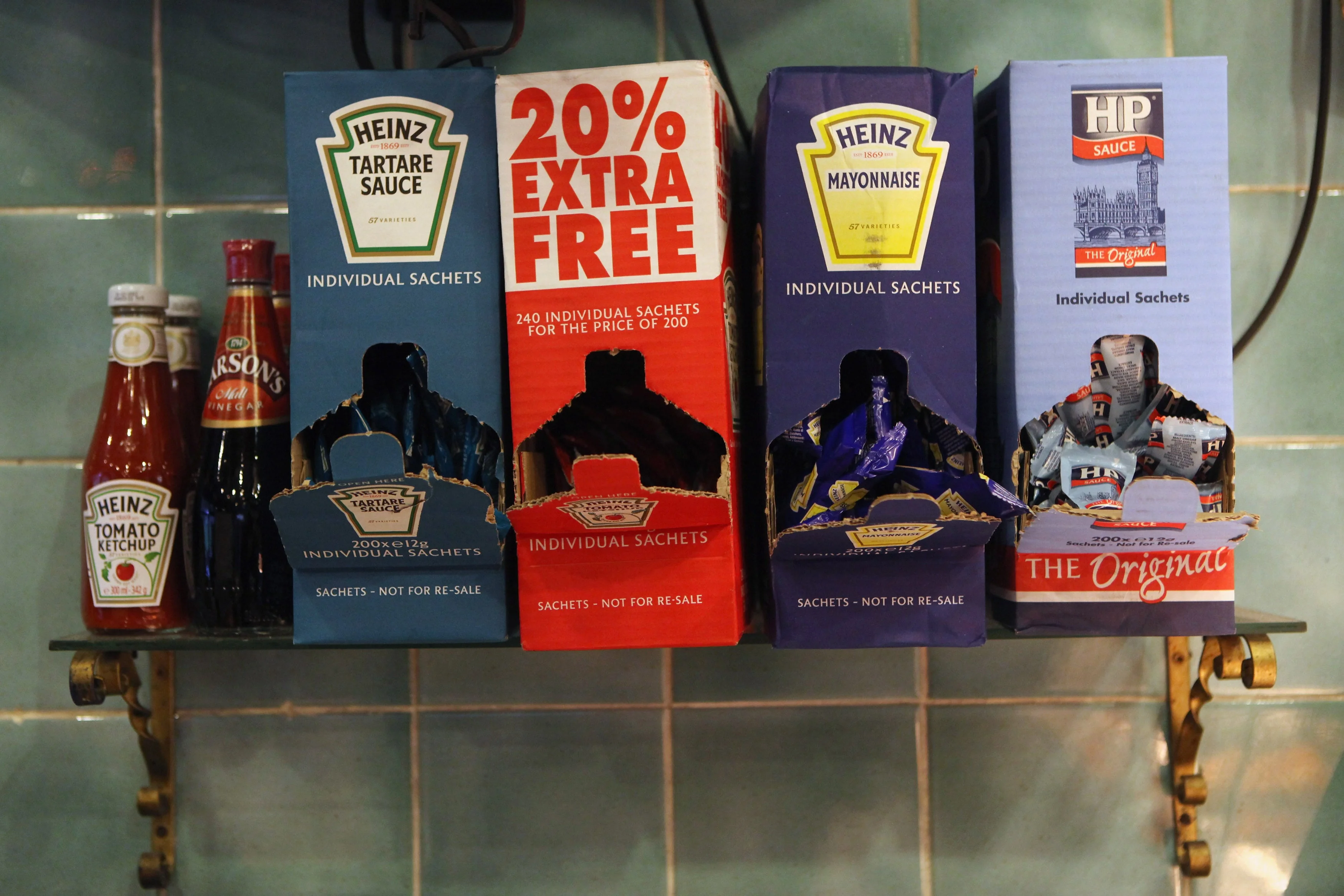
Andy Burnham is considering a ban on ketchup, mayonnaise and vinegar sachets in cafes and restaurants. The EU has prohibited single-use plastic condiment packaging in the catering sector on environmental grounds. Campaigners say 855 billion sachets are used around the world each year, with many discarded unopened. That figure describes the scale campaigners attribute to global use; the article doesn’t provide a separate estimate for UK businesses or consumers.
The waste case and its limits
The waste argument extends beyond condiment packets. A 2020 estimate put plastic pollution in the world’s oceans at more than 150 million tonnes. The same account cited annual deaths of around one million birds and more than 100,000 sea mammals from ingesting or becoming entangled in plastic waste.
Those figures describe a much broader problem than sachets alone, but they help explain why small, disposable packaging attracts attention. A packet that’s used briefly and thrown away is an easy example of avoidable waste, particularly when it’s left unopened. That said, the figures don’t establish how much ocean pollution comes from condiment packaging, or how much a restriction in the UK would reduce it. The case for action rests on addressing a visible source of single-use packaging within a much larger waste challenge.
This is more significant than it looks because packaging rules can make abstract environmental policy tangible. Customers encounter sachets in cafes and restaurants; operators would have to respond to whatever rules are adopted. (And this is the part most people overlook.) Whether a policy works in practice depends on the details of the restriction and the available ways to provide condiments, details the proposed consultation has yet to settle.
Alignment in a broader reset
The sachet consultation arrives amid separate efforts to align UK food and drink standards with the EU. The reported agreement is intended to end some border checks and could allow exports of fresh sausages, burgers, shellfish from UK waters and seed potatoes to resume, according to the BBC. It is also expected to restore the use of passports for UK pets travelling to the EU. The deal was reported as likely to be signed at the end of the month.
These issues involve different rules and practical consequences, but they share a political setting: the UK is considering where closer alignment could ease friction. In the food and drink agreement, the stated aim includes reducing border checks and enabling certain exports to resume. The sachet proposal raises a different question about whether a common standard should extend to everyday packaging. Taken together, the issues show that alignment isn’t one decision with one effect; it’s a series of choices about specific sectors and rules.
If you’re working in food service, the distinction between an announced consultation and a final rule matters. The proposal signals that sachets may be reviewed, but the supplied information doesn’t set out a timetable for a decision, the details of any restriction or how businesses would be expected to respond. For consumers, too, the practical change remains uncertain until the government decides what, if anything, to adopt.
Burnham’s comments and the political context
Burnham has also softened his position on restoring free movement. In an ITV interview due to air on Tuesday, he said: “I have not proposed freedom of movement coming back.” He called for “an honest” discussion about how migration has changed since Brexit, arguing that shorter stays by people arriving from Europe and then returning home had been replaced by more long-term settlement. He referred to that shift as the “Boriswave”.
His comments add a separate strand to the story of post-Brexit policy. They concern migration and how its patterns are discussed, while the sachet proposal concerns packaging rules and the relationship between UK and EU standards. The two subjects shouldn’t be conflated. Still, both show how arguments about the UK’s relationship with Europe continue to reach into specific questions of policy and public debate.
What the consultation could clarify
The sachet question now sits alongside a broader test for UK-EU alignment: whether targeted standards changes can address practical friction while also winning support for rules that affect everyday businesses and consumers. A consultation can clarify the arguments on both sides and expose where a proposed change would have practical consequences. It can’t answer those questions in advance.
For now, the central fact is the difference in coverage: the EU ban will apply in Northern Ireland under the Windsor Framework, while the rest of the UK isn’t covered under the current arrangements. The planned consultation will determine whether the government wants to change that position. Small packets, then, have become a test of how the UK handles alignment in a policy area people encounter in ordinary life.

