The injunction and the reporting dispute
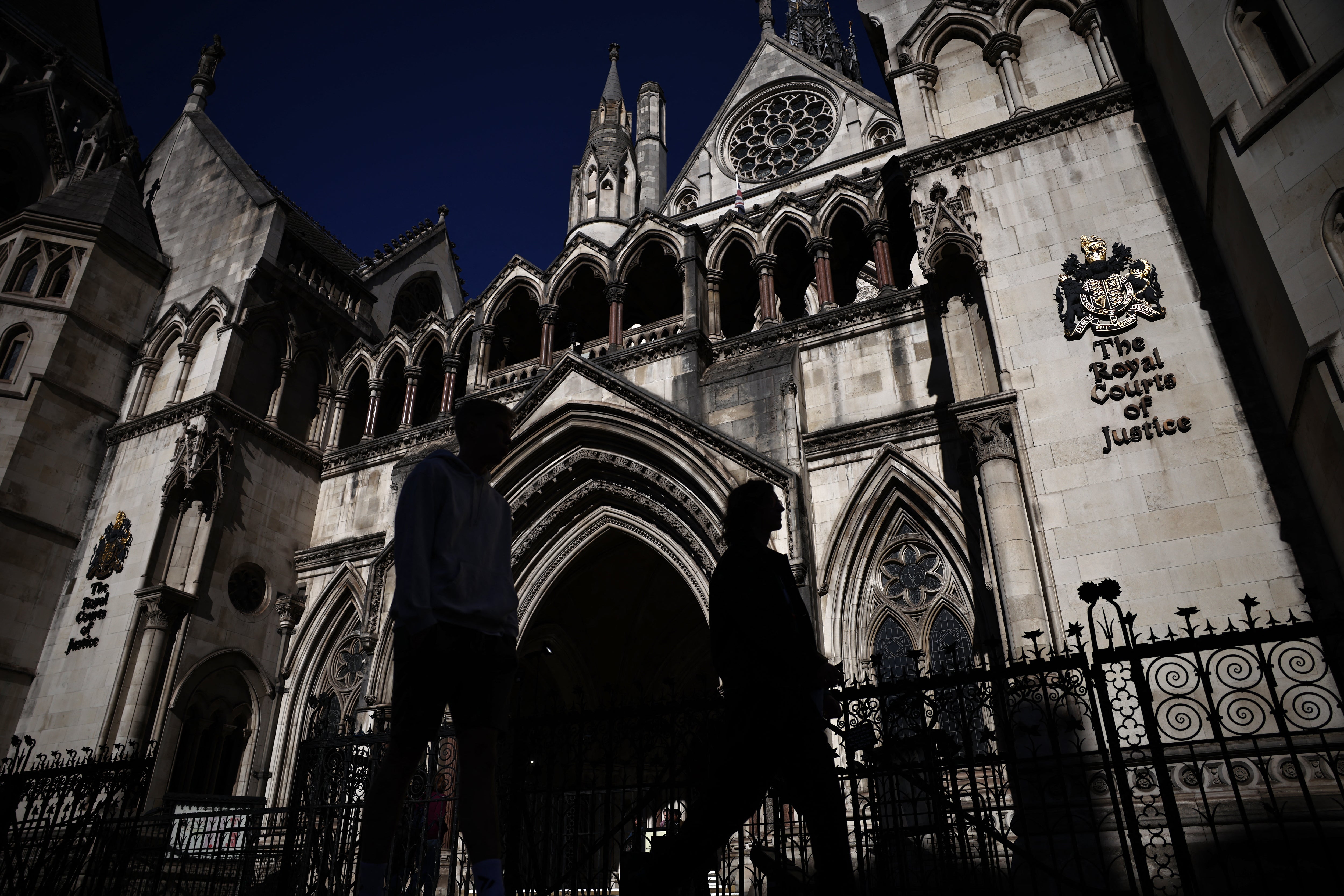
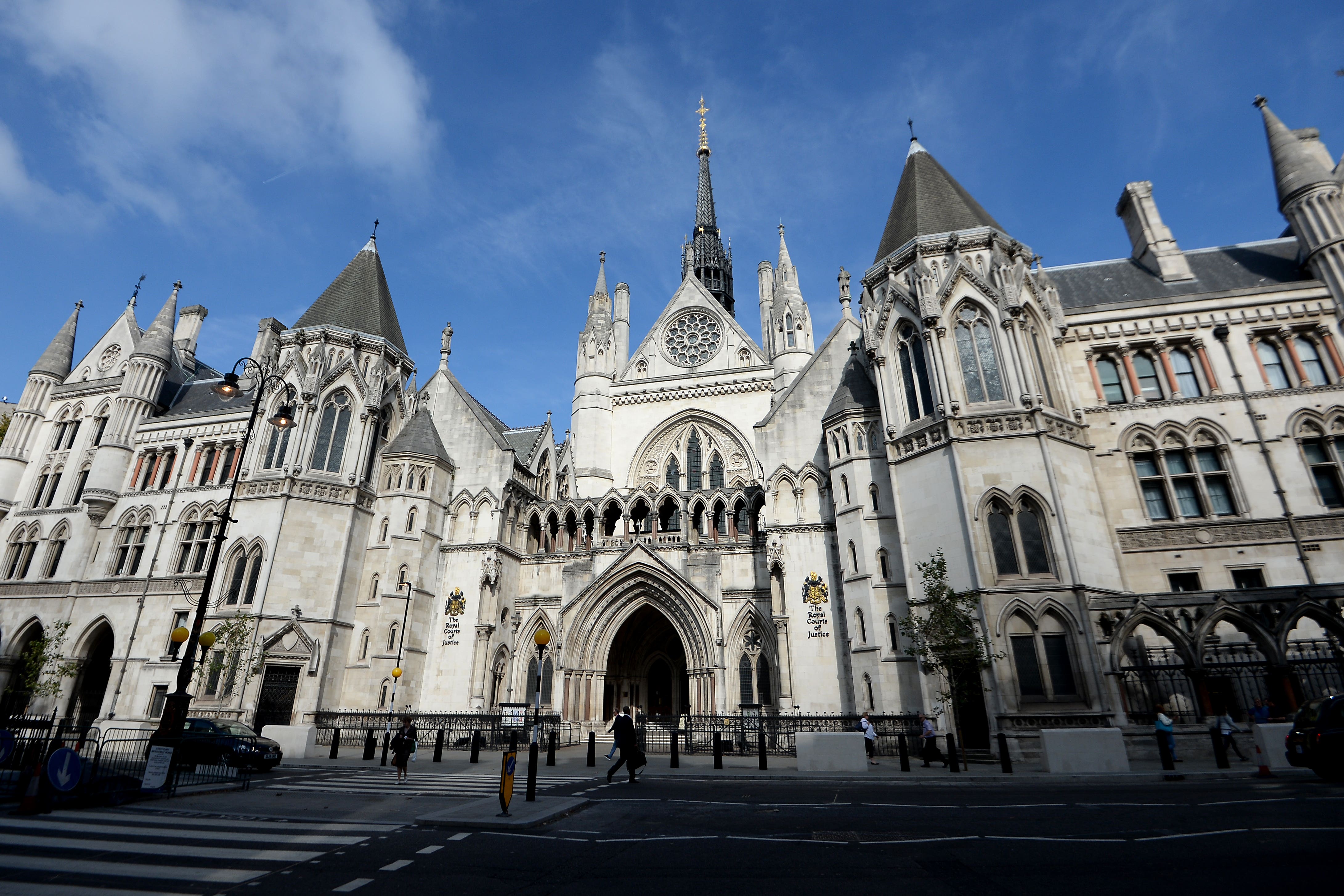
The High Court has rejected an unnamed famous man’s attempt to stop two media organisations from reporting allegations against him. Mr Justice Nicklin also gave him permission to appeal, so the dispute remains open even as the organisations continue to pursue a joint investigation. The ruling concerns whether reporting can be blocked at this stage; it doesn’t establish whether the allegations are true.
The case involves Independent Television News (ITN), whose programmes appear on ITV, Channel 4, Good Morning Britain and Channel 5, and Guardian News and Media (GNM), publisher of The Guardian. Their lawyers told the court that the proposed reporting concerns allegations that the man used his “power and status” to approach young women and seek “inappropriate and exploitative sexual activities”. The man denies the allegations, and they remain allegations rather than findings made in this case.
He sought an injunction, citing the risk that he might take his own life and referring to two previous suicide attempts. Nicklin dismissed the application on 3 November, following a two-day trial in London on 27 October. The decision followed a preliminary High Court hearing on 16 October, and the man had previously been granted anonymity. Those stages show how the dispute moved from an initial hearing to a fuller examination of the request, while the reporting itself remained contested.
How the case developed
The reporting effort began years before the court hearings. GNM and ITN’s lawyers said a Guardian reporter learned of allegations against the man in early 2022, including information from two confidential sources. In May that year, GNM approached him about allegations of inappropriate conduct. He denied them, and, according to Nicklin’s judgment, no article followed at the time.
That earlier contact matters because it places the current dispute within a longer reporting process, rather than presenting it as a response to the recent court case. It also shows that the man had previously been given an opportunity to respond to allegations, though the later joint investigation brought new material into the process. The available account doesn’t describe that material in detail, so the scope and substance of the investigation can’t be assessed from these facts alone.
In April 2023, the Guardian and ITN agreed to investigate the man together. On 18 May 2026, they sent him letters seeking comment on allegations uncovered by the joint investigation. He attempted suicide after receiving them and was later admitted to a private psychiatric hospital as a voluntary patient. The timing is central to the injunction application as described in the judgment: the request to block publication was tied to a serious concern about the effect reporting might have on his safety.
During the summer of 2026, he left the private hospital and attempted suicide again. Later that summer, he was detained under the Mental Health Act for assessment and transferred to an NHS hospital for treatment. He was discharged on 10 September, after it was determined that continued detention was unnecessary. These events provide essential context for the court’s consideration of the application, but they don’t establish what the reporting organisations should publish or resolve the underlying allegations.
The ruling and the appeal
The man was detained again for assessment on 22 October and transferred to an NHS hospital. Five days later, the High Court heard the case over two days. Nicklin’s decision on 3 November refused to block publication but allowed an appeal. Permission to appeal keeps a further legal route open; it doesn’t reverse the ruling or mean that publication has been approved in every form.
The judgment leaves the reporting dispute at an interim point. The injunction has been refused, while the appeal route remains available, and the allegations remain allegations that the man denies. That distinction matters: a decision about whether reporting should be stopped is separate from a determination of the truth of the claims. The account provided here doesn’t set out the judge’s full reasoning, so it would be premature to infer more about the legal test or the likely course of any appeal.
This is more significant than it looks. An injunction can affect not only whether a story appears, but also when the subject can answer detailed questions and when the public can hear the organisations’ account of their reporting. Here, the court had to consider a request to prevent publication alongside evidence of severe mental-health crises. Those are weighty facts, and the ruling leaves both the reporting question and the appeal unresolved.
What happens next
For the news organisations, the decision means the injunction they opposed hasn’t been granted. For the man, permission to appeal leaves a route to challenge that outcome. The next step therefore depends on whether the appeal proceeds and what the court decides; the material available doesn’t say when that might happen or what reporting the organisations will publish.
If you’re working in this space, the case is a reminder that reporting on allegations involving a person’s health can raise distinct questions about timing, harm and public discussion. It doesn’t make the allegations a proven account, and it doesn’t make the mental-health evidence incidental. The balance is difficult. And this is the part most people overlook: a refusal to block publication at this stage doesn’t settle the factual dispute or answer every question about what should ultimately be reported.
Here’s the thing: the court’s decision preserves the possibility of reporting while leaving an appeal open. That said, the public record described here offers only a limited view of the judge’s reasoning and the investigation’s findings. The outcome is clear on the injunction; its wider implications will depend on what happens next.
If you are experiencing distress or struggling to cope, you can speak to the Samaritans in confidence on 116 123 (UK and ROI), or visit the Samaritans website to find a local branch.
In the USA, call or text 988, or visit 988lifeline.org for the 988 Suicide and Crisis Lifeline. Elsewhere, visit www.befrienders.org to find a helpline.

