A recipe change with a new allergen consequence
Kellogg’s has reformulated Rice Krispies and Coco Pops to manage changes in the quality and availability of rice linked to weather conditions. Both recipes now use rice flour, and the change means the cereals contain wheat gluten. That makes this more than a quiet adjustment to texture or production: wheat is now part of the declared recipe, with consequences for shoppers who avoid it.
The company hasn’t described the weather conditions or specified how they affected particular grains. Its explanation points to a familiar challenge for food producers: ingredients can vary in quality and availability, while a packaged product is expected to taste and look consistent from one purchase to the next. Changing a recipe can help a manufacturer respond to that pressure, but it can also change what the product means to people managing dietary restrictions.
Different flour blends, new allergen status
Rice Krispies now use rice flour in place of whole rice. Coco Pops use a blend of rice flour and corn flour. These are different formulations, but the practical result highlighted by Kellogg’s is the same for both: wheat gluten is an ingredient, so neither cereal is suitable for people with a wheat allergy or coeliac disease.
That distinction matters because allergen labels describe different kinds of exposure. Previously, the cereals were labelled “may contain gluten” because they were made in a factory that also handled other cereals containing gluten. That warning indicated a possible trace presence associated with shared production facilities; it didn’t list wheat as an intended ingredient in the recipe.
The new recipes change that status. Wheat must now appear as a declared ingredient and be highlighted in bold on the packaging, according to the account provided. Kellogg’s says both packs carry prominent notices about the change, giving shoppers a reason to check the box rather than assume that a familiar cereal still has its old ingredient profile.
For anyone who relies on ingredient lists, the difference between a precautionary warning and a declared ingredient isn’t small. The label now describes wheat as part of the cereal itself. If you're buying for someone with an allergy or coeliac disease, the relevant information is the current pack’s ingredient list and allergen notice, not the cereal name or a memory of its earlier recipe.
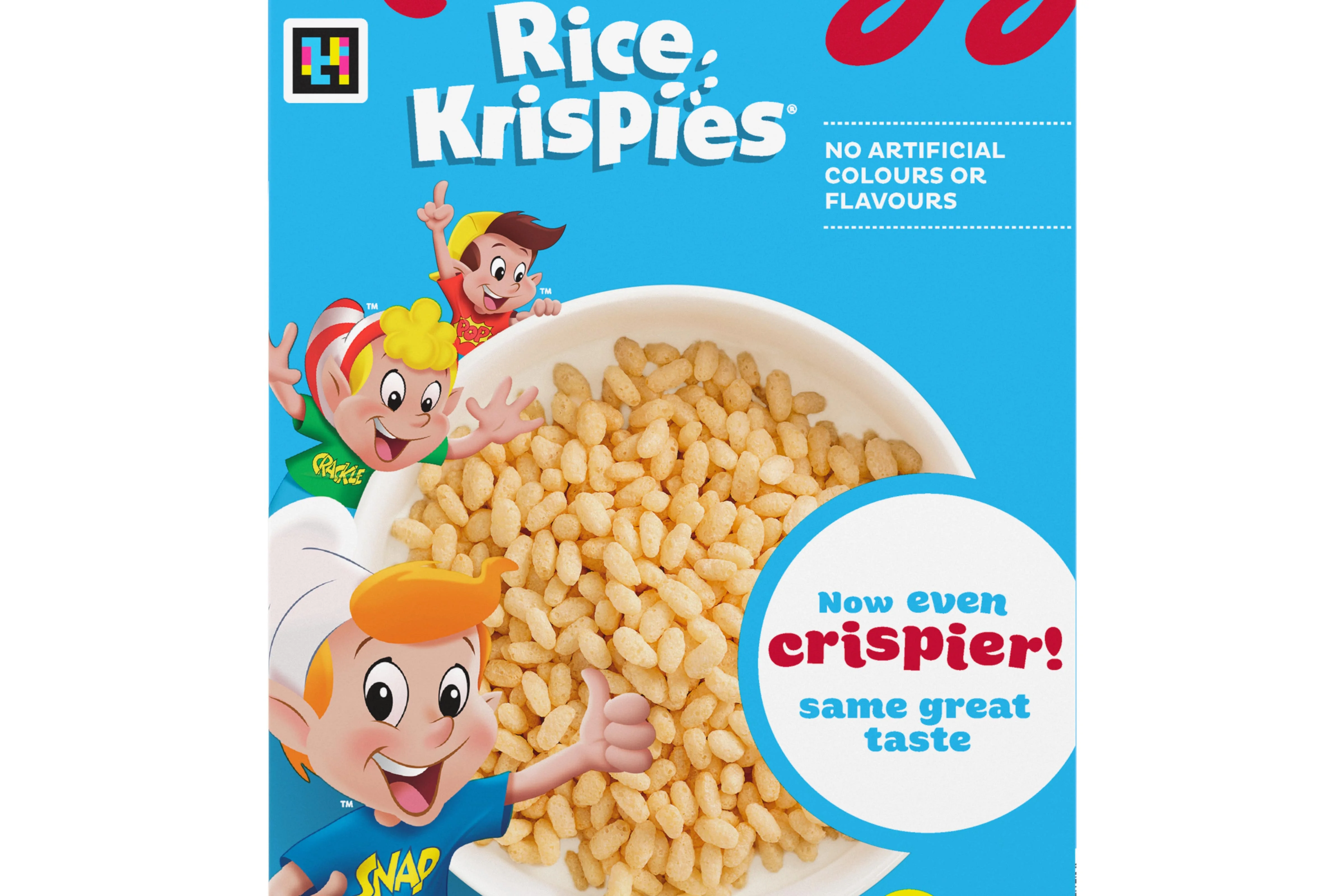
Kellogg’s says nutrition levels are unchanged
A company spokeswoman said the reformulation was intended to maintain consistent quality as weather conditions affected some grains used in its cereals. Kellogg’s also said it had assessed the updated recipes for taste, appearance and texture and was listening to customer feedback. Those checks address the qualities shoppers tend to notice immediately, though the company’s statement doesn’t provide detailed results or describe how the products compare in testing.
The company says both products remain “non-HFSS” and contain no artificial colours, flavours or sweeteners. It also says their fibre, Vitamin D and iron levels are unchanged. These points speak to product attributes that Kellogg’s says have been retained; they don’t change the separate fact that wheat has become an ingredient.
That separation is easy to miss in a reformulation announcement. A product can retain its stated nutrition levels and other familiar claims while still changing in a way that matters to a particular group of customers. The ingredient list answers a different question from the nutrition information: what the cereal contains, rather than how much of a listed nutrient it provides.
What the change means for shoppers and the brand
Here's the thing: familiar packaging can encourage people to buy on autopilot. A revised recipe puts more responsibility on the label and on shoppers to notice that the product has changed, even when the brand and cereal name remain the same. Kellogg’s says it has added prominent notices, but the lasting test will be whether people who need that information see it before they buy.
(And this is the part most people overlook.) A factory warning and an ingredient declaration aren't interchangeable, even though both may prompt someone to avoid a product. The first concerns the possibility of unintended contact in a shared facility; the second identifies an ingredient used in the recipe. For people making food choices around wheat or gluten, that shift changes the decision they have to make.
This is more significant than it looks for a change framed around maintaining quality. Kellogg’s is trying to keep familiar cereals consistent as the grains it uses are affected by weather, but the adaptation alters their suitability for some consumers. The company’s explanation may make sense as a production response; it doesn’t remove the need for clear communication about the new allergen status.
The Grocer reported that Rice Krispies sales were declining in both value and volume, with figures due in its Top Products Survey 2026 the following month. That sales context sits alongside the recipe change, but the information provided doesn’t establish that the reformulation caused the decline or explain how customers have responded to the new packs. The available figures, as described, concern Rice Krispies and don’t establish the same trend for Coco Pops.
For Kellogg’s, the immediate challenge is keeping the products recognizable while making the recipe change legible to shoppers. For consumers, the practical step is straightforward: check the current packaging, especially if wheat or gluten affects what you can eat. The cereal may look familiar. The ingredient declaration now says something different.

