Tests found widespread misdescription
The BBC’s test of inexpensive jewellery sold online found a sharp gap between product descriptions and metal content. Eight of 25 pieces contained cadmium above the UK legal limit, while only two qualified as sterling silver. That result raises two distinct concerns: whether shoppers can trust claims about what an item is made from, and whether some products may expose wearers to a hazardous metal.
BBC Watchdog on The One Show bought jewellery from Amazon, eBay, Temu, Etsy and OnBuy. The items ranged from a £1.55 bracelet to £1.99 earrings, placing the purchases firmly in the low-cost end of the market. Of the eight pieces that breached cadmium limits, three came from Amazon, three from Temu, and one each from Etsy and OnBuy. The BBC said none of its eBay purchases contained illegal levels. These findings describe a small sample, so they can't establish how common the problem is across each platform. They do show that product listings can fail to tell shoppers what a tested item contains.
The UK limit for cadmium in jewellery is 0.01 per cent. Some pieces tested contained as much as 10 per cent, a large difference between the permitted level and the highest result reported by the BBC. The UK Health Security Agency classifies cadmium as a category one carcinogen; exposure can be particularly harmful if the metal is ingested or inhaled. The test doesn't establish that every wearer faced the same level of exposure, since that depends on how an item is used and handled. But jewellery is worn close to the body, and pieces may be handled frequently, which makes accurate information about their materials more than a question of value for money.
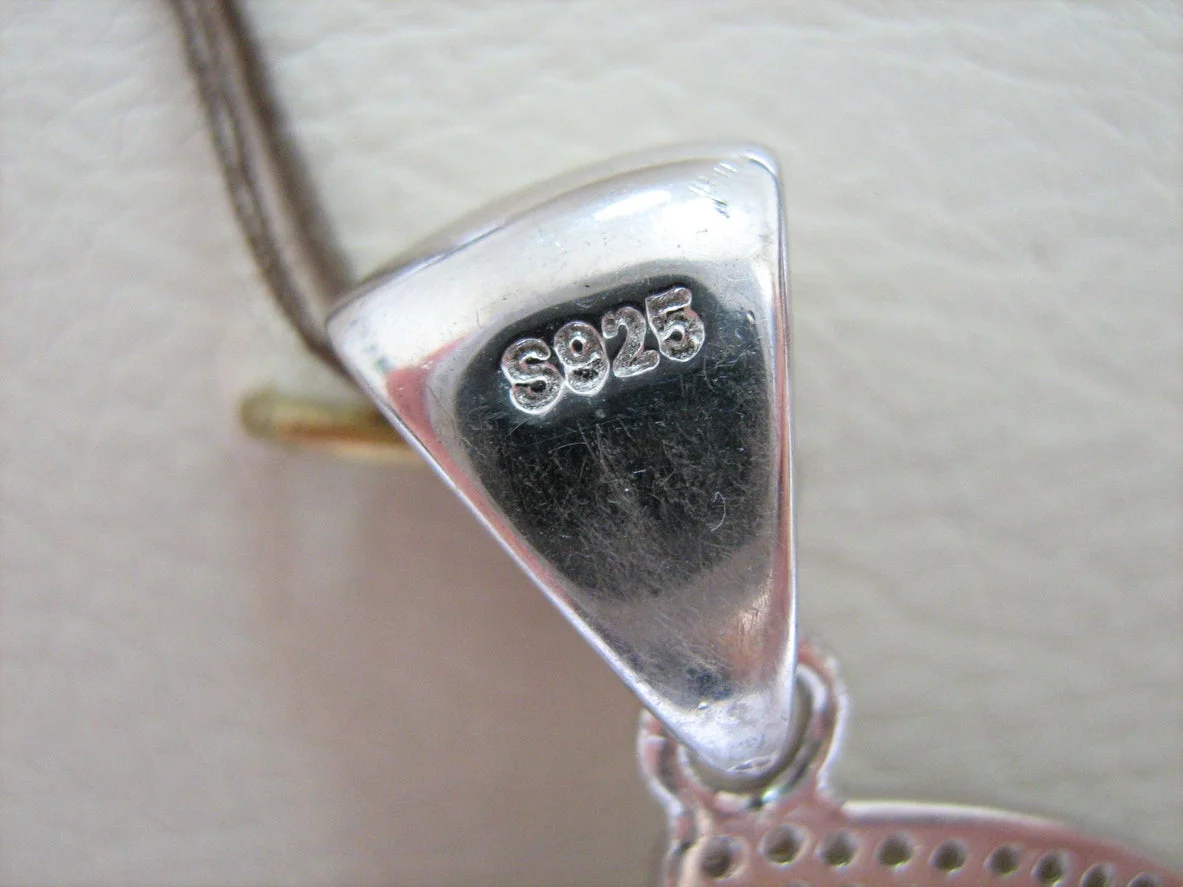
A separate analysis of a consumer’s necklace, listed on Etsy as handmade sterling silver, found nickel traces. In one section of the chain, nickel accounted for as much as 11 per cent. The wearer said the necklace had irritated her neck. That account doesn't show that nickel caused every symptom, or that all similar listings pose the same risk. It does underline a practical problem: a description can make a material claim that shoppers have little ability to verify by sight.
Marketplace responses
Amazon said it had contacted customers who bought the products flagged by the BBC, asked them to dispose of the items and offered the option of seeking a refund. The company said it removed the products and requires sellers to follow its policies and UK law. It also encouraged customers with concerns to contact its customer service team. Contacting buyers and removing listings are concrete responses, though the account doesn't say how many customers were reached or whether the affected products had been sold under other listings.
Temu said the products had been removed through its monitoring before the BBC’s original enquiry. The platform said it had commissioned further testing by an independent laboratory and was reviewing similar listings. Its stated controls include seller checks, listing monitoring, customer feedback and takedowns, with action against sellers when violations are identified. Those measures describe how the company says its system works; the BBC’s findings show that prohibited products can still appear in a test purchase. The follow-up testing and review may help establish whether the issue was confined to the identified items.
eBay said its rules prohibit misleading listings and require accurate product descriptions. It said buyers may be covered by its Money Back Guarantee if an item differs from its description. The company said the BBC’s eBay purchases didn’t contain illegal cadmium levels, but that it removed listings identified by the programme and reminded sellers of their obligations. A clean result among the items in this test is useful, but it doesn't establish that every jewellery listing on the platform meets the same standard.
What a silver hallmark indicates
Sterling silver is generally made of 92.5 per cent silver and 7.5 per cent other metals, most often copper. In the UK, an item must be independently assessed by an authorised assay office before it can receive a hallmark. That independent assessment gives the mark a different status from a seller’s own description: it signals that the item has been checked against a stated standard.
Testing specialists use X-ray fluorescence to measure the metal content against the declared silver standard. Items that pass can carry marks identifying the sponsor, silver fineness and assay office. The number in the fineness mark represents parts of pure silver per thousand, so it provides a specific indication of composition rather than a general claim of quality. A hallmark doesn't answer every question a buyer might have about an item, but it offers a way to check whether a claim of sterling silver has been assessed independently.
What the findings mean for online shoppers
The BBC’s results suggest that product descriptions alone may not reliably establish what an online item contains. This is more significant than it looks: shoppers generally can't assess a metal’s composition from a photograph or listing text, and a low price doesn't tell them whether a claim has been checked. If you're working in this space, the test points to a basic weakness in online retail: a platform’s rules matter only if its checks catch listings that break them.
Here's the thing: a small test can identify failures, but it can't measure their prevalence across millions of listings or prove that every seller on a named site behaves alike. The distinction matters when judging the platforms’ responses. Removal of flagged listings addresses the specific products; reviewing similar listings and testing them may help determine whether the same descriptions or materials appear elsewhere. For shoppers, a hallmark offers a more verifiable signal for sterling silver than a listing alone. For other low-cost jewellery, the BBC findings leave an unresolved question about how often buyers can confirm the material claims they see.
And yet the clearest evidence here is also the simplest: eight tested pieces exceeded the cadmium limit, and only two met the sterling silver standard. A listing can sound precise and still leave the buyer without dependable evidence about composition. The gap between claim and material.
The Independent said it had contacted Etsy and OnBuy for comment.

