A suspected cyberattack that disrupted freezer systems at European retailers has reached the UK food supply chain, exposing how ageing operational technology can turn routine infrastructure into an entry point for attackers. The National Cyber Security Centre (NCSC) says it has identified a small number of impacts in Britain and alerted other organisations with vulnerable systems.
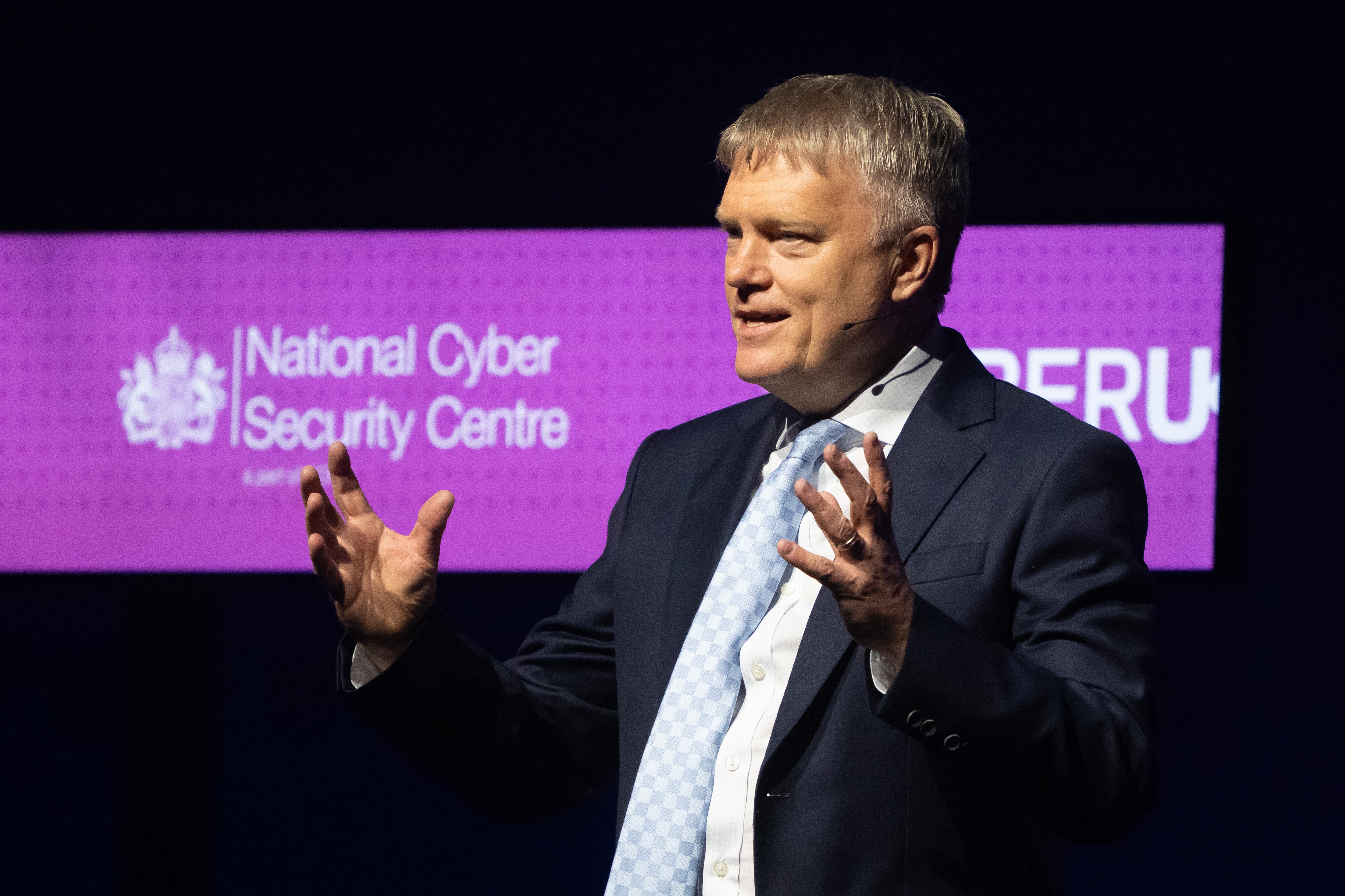
Dr Richard Horne, the NCSC’s chief, said the agency was still assessing the incident and could not identify who was responsible. “We don’t know the full impact,” he told BBC Radio 4’s Today programme, citing “a couple of instances where vulnerable technology has been exploited”.
Freezer disruptions spread across Europe
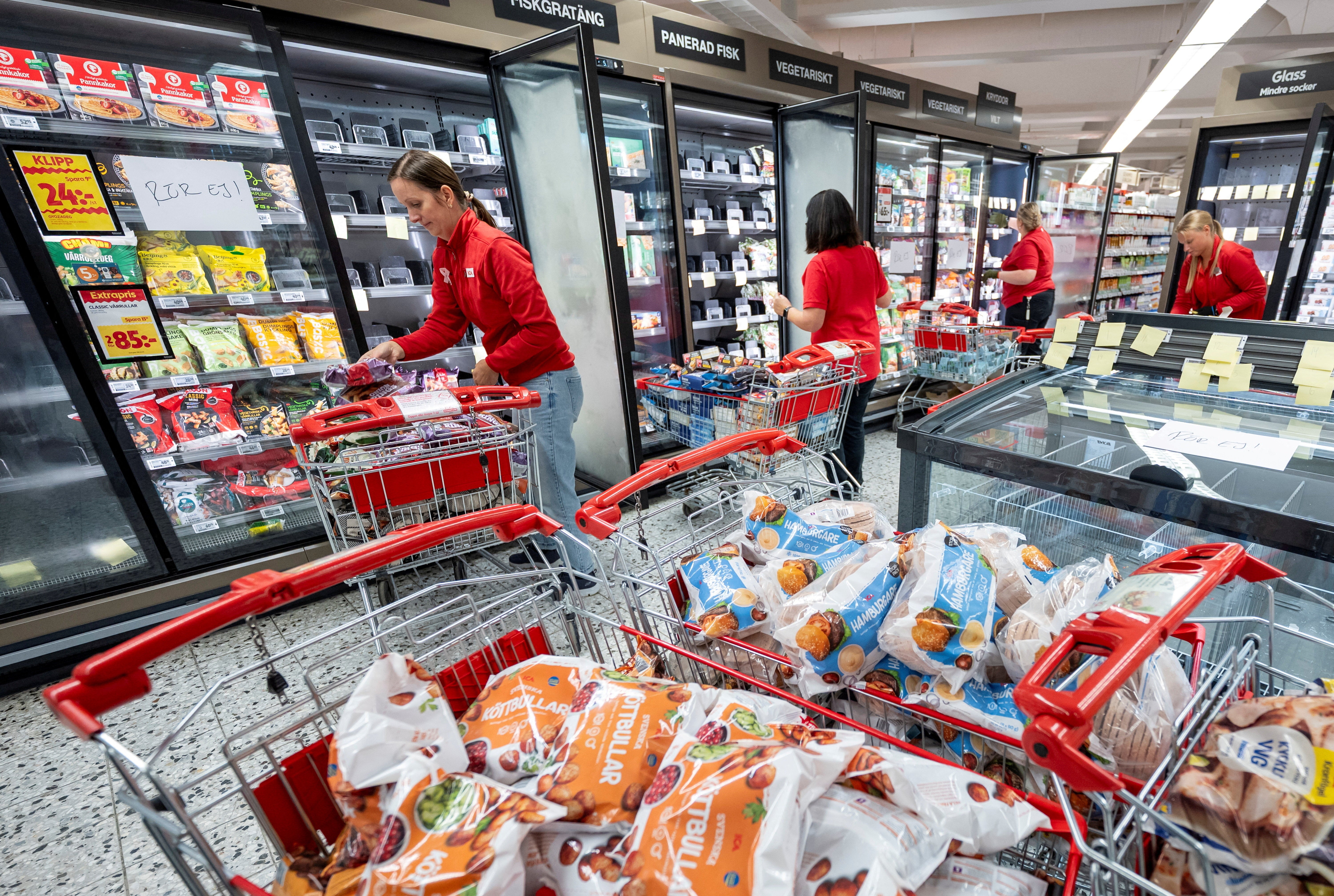
Retailers in Belgium, Ireland and Sweden reported temperature rises in fridges and freezers. Swedish grocers ICA and Coop, along with an Ikea superstore, also experienced similar problems; one store explicitly attributed its incident to a cyberattack.
In Sweden, ICA staff emptied freezers and loaded frozen products into shopping carts for disposal.
Horne said the NCSC had worked through the night to contact organisations across the food supply chain whose exposed technology appeared vulnerable. The agency is also working with affected businesses and international partners to understand the incident and limit its effects.
Old systems widen the attack surface
Horne pointed to long-standing underinvestment in operational technology as a factor that makes incidents like this harder to contain. Some organisations, he said, continue to rely on systems that have passed their end of life or have not received necessary upgrades.
“That leaves a whole load of vulnerabilities that now AI, in the hands of our adversaries, can enable them to find with ease and exploit,” he said. His warning connects the freezer disruption to a broader shift: attackers can use artificial intelligence to find weaknesses and scale their operations, while organisations may still be running technology built for a different era.
The NCSC has also been working with UK companies to identify and close existing weaknesses before they are exploited. Paul Chichester, the agency’s director of operations, said it was aware of cyberattacks affecting the UK meat-processing industry. Their national impact was minimal, he said, and the NCSC was working with the affected businesses.
The risks extend beyond supermarkets. Horne warned that similar attacks could affect energy and water supplies, and said businesses across sectors should keep their cybersecurity measures current.
AI raises the stakes for critical infrastructure
The freezer incident comes amid broader NCSC warnings that AI-powered malware could be used against key UK infrastructure, including airports, hospitals and power stations, within two years. In his annual address, Horne said hostile actors were “highly likely” to use AI to make cyber operations more numerous and efficient.
He described years of cheap technology choices as a source of accumulated risk. Vulnerabilities left unaddressed for too long, he said, can now be found and exploited at a scale that was once unimaginable. The NCSC has also warned that Russia and China may use AI more routinely in cyberattacks, describing Chinese cyber activity as the UK’s “most sophisticated and sustained cyber challenge”.
For food retailers and their suppliers, the immediate lesson is practical: cold-chain operations depend on connected systems that need maintenance and timely security updates. The NCSC’s work to alert exposed organisations suggests the incident’s reach is still being assessed, while the underlying weaknesses may span far beyond the stores already affected.

