A younger group is facing a rising risk
Stroke remains most common among older adults, but the trend among younger Americans is moving in the wrong direction. Federal research found that the number of adults under 44 who had a stroke rose nearly 16 percent over a decade. A University of Cincinnati study, published in September, found that stroke rates among younger adults in the Midwest nearly doubled between 1993 and 2020.
The increase matters because a stroke early in life can leave someone living with disability for decades. It also challenges the assumption that stroke is primarily a concern for people past retirement age. Connecticut Sen. Chris Murphy, 53, was hospitalized after having a stroke over a weekend, drawing attention to the risk in a group that is younger than most stroke patients.
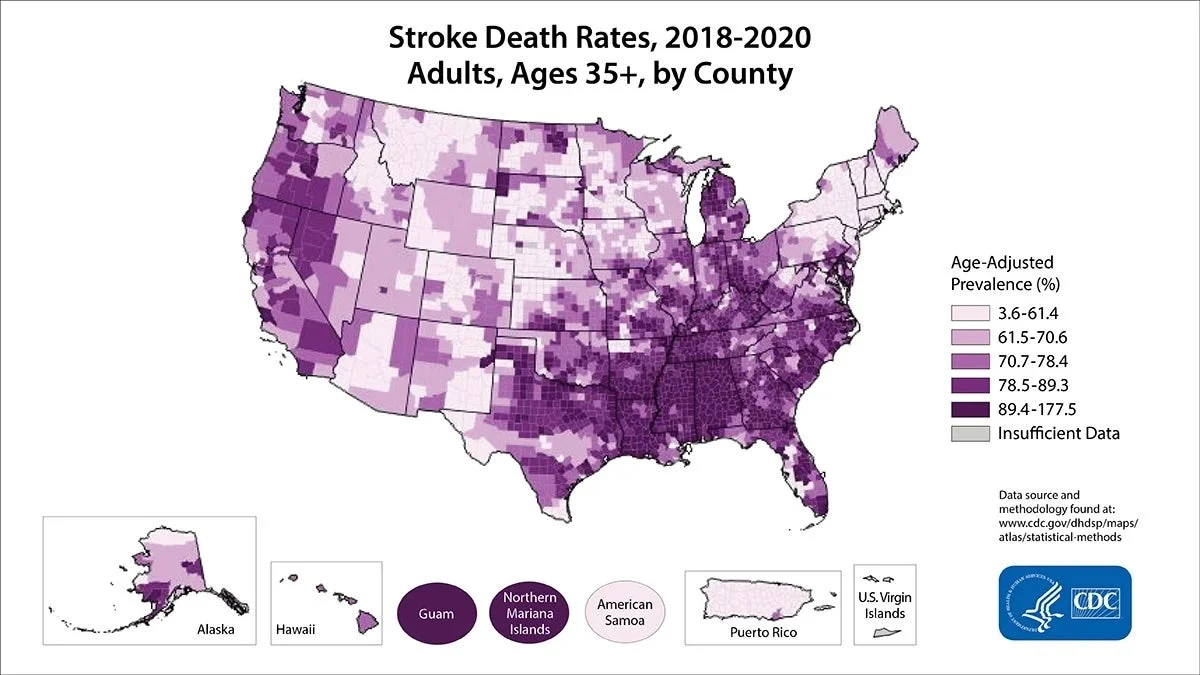
Strokes happen when blood flow to part of the brain is blocked or a blood vessel in the brain bursts. They can occur at any age, though the risk generally rises with age. Nearly 800,000 Americans have a stroke each year, and about 140,000 die from one.

Risk factors are accumulating earlier
Researchers and clinicians point to a cluster of cardiovascular risks that are becoming more common in younger stroke patients. Aaron Shoskes, a neurologist at University of Utah Health’s Clinical Neurosciences Center, said young adults experiencing strokes increasingly have high blood pressure, diabetes, high cholesterol, obesity and a history of smoking. In many cases, he said, the event has recognizable risk factors behind it.
Those risks can reinforce one another. Obesity can raise blood pressure, and high blood pressure can contribute to blood clots that cause stroke. Obesity also increases the likelihood of developing diabetes, which affects how the body produces insulin to regulate blood sugar. Diabetes can raise stroke risk by 1.5 times, in part by increasing the likelihood of clots.
Obesity rates in the United States have climbed 37 percent over the past 20 years, according to the American Heart Association. The source article links that increase partly to diets with more processed foods high in sugar, salt and unhealthy fats.
Cancer may be another contributing factor, though Shoskes says it isn’t the main driver of the trend. Some cancers make blood more prone to clotting. Research published by Penn State College of Medicine in 2019 found that cancer more than doubled the risk of dying from a stroke. Some cancers, including colorectal, pancreatic, prostate and kidney cancer and multiple myeloma, are also increasing among younger adults, according to Harvard experts. Doctors are still investigating why those diagnoses are rising; obesity is one suspected contributor.
Prevention starts with measurable risks
For clinicians, the pattern makes routine checks of blood pressure and blood sugar relevant well before old age. The American Heart Association considers a fasting blood sugar below 100 milligrams per deciliter normal; readings above 126 milligrams may indicate prediabetes or diabetes. It describes blood pressure below 120 systolic and 80 diastolic as the healthy range.
Shoskes points to regular exercise and a heart-healthy diet as practical ways to reduce risks. The recommendations in the source include 30 minutes of daily activity, combining cardio such as running or cycling with strength training, and a Mediterranean-style diet featuring foods such as leafy greens and olive oil.
These steps won’t remove every cause of stroke, and the drivers of the rise are still being studied. But the evidence described here points to a clear takeaway: stroke prevention increasingly depends on identifying and managing cardiovascular risks earlier in adulthood.

