Many cardiovascular and metabolic risks can build quietly for years, with no clear signal that something is wrong. Dr Francesco Lo Monaco, a Harley Street cardiologist and founder of the National Longevity Clinic, says routine checks can help identify those risks before they contribute to a serious health event. The point is practical: a test can reveal a factor worth discussing with a healthcare professional while a person still feels well.
Why early checks matter
The warning comes amid figures showing 110,804 deaths in England in 2025 were classed as avoidable, alongside 8,011 in Wales. In England, 71,057 deaths were attributed to preventable causes and 39,747 to treatable ones. Circulatory diseases ranked second among causes of avoidable mortality in both nations, behind cancer. These figures describe population-level outcomes; they don't establish what caused any individual death, or show that routine testing alone would have prevented it.
There’s also a marked difference by deprivation. Men in England’s most deprived areas were almost four times as likely to die from avoidable causes as men in the wealthiest areas. That gap points to a broader problem than personal awareness: access to timely checks and follow-up can shape whether a risk is found and acted on. Screening only helps when people can get a clear result and a sensible next step.
Lo Monaco’s central point is that feeling well doesn’t necessarily mean key health markers are in range. High blood pressure, raised cholesterol and early metabolic problems may have no obvious symptoms, so waiting for discomfort can leave risks undiscovered. The three checks he highlights cover different parts of health: pressure on the circulatory system, fats and glucose in the blood, and the body’s capacity to use oxygen during exercise.
Measure blood pressure
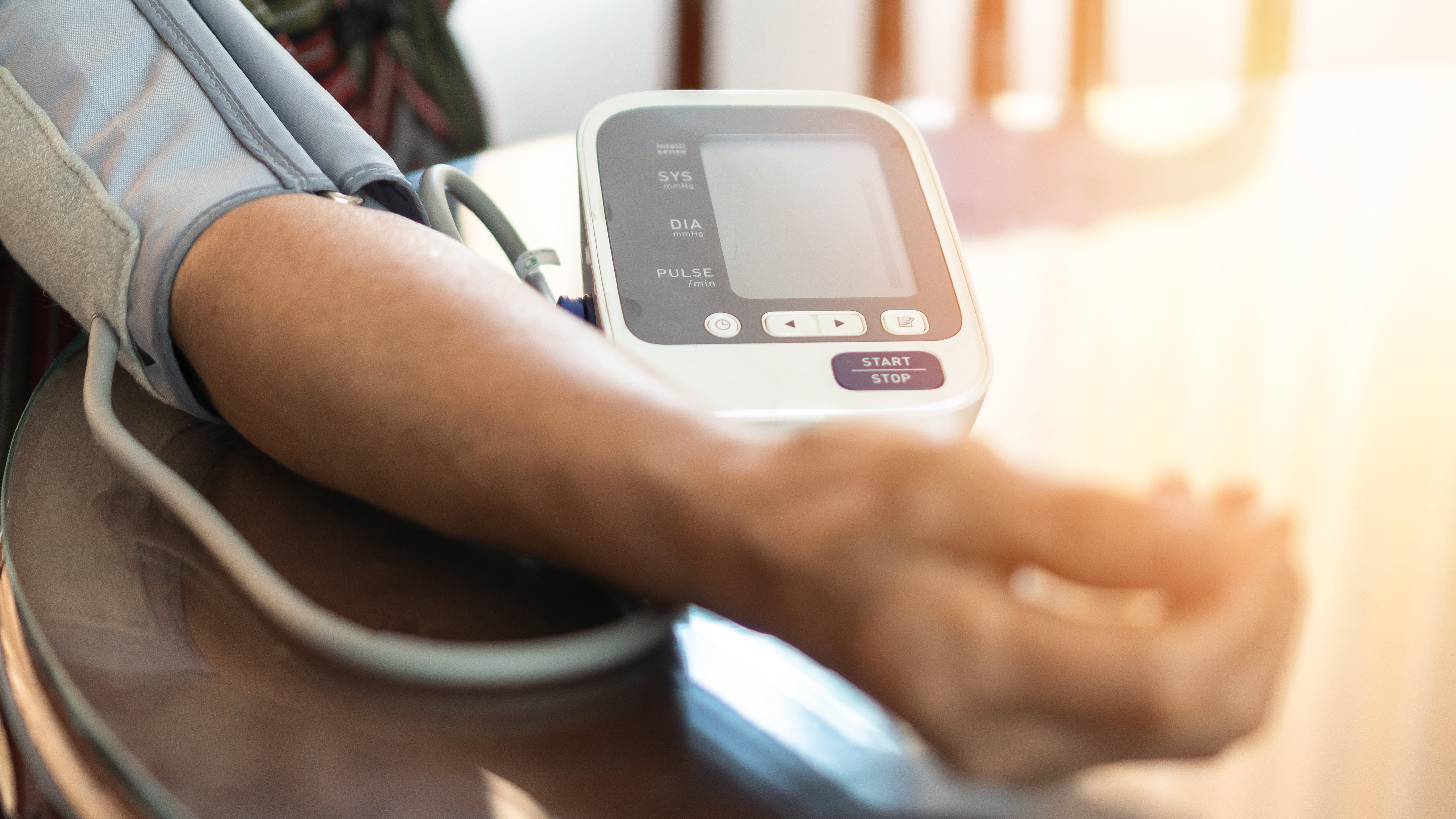
Persistently high blood pressure can raise the risk of heart attack, stroke and kidney disease, yet a person may feel entirely normal. Lo Monaco describes a blood pressure check as one of the simplest ways to spot a risk that might otherwise go unnoticed. A reading gives a snapshot that can prompt a discussion; it isn't, by itself, a full account of someone's health or a diagnosis.
Knowing the result can help people decide what to do next with a healthcare professional. If a reading raises concern, its meaning depends on the wider clinical picture and may need follow-up. The value of checking is that it replaces guesswork with information that can be interpreted in context.
Check cholesterol and blood sugar
A lipid profile looks at cholesterol and other blood fats. Raised LDL cholesterol can contribute to fatty deposits inside arteries, and appearance offers no reliable clue: people who are slim, active and feel healthy can still have high levels. Family history also matters, Lo Monaco says. That’s a useful corrective to the assumption that visible fitness tells you what’s happening inside the arteries.
Blood sugar checks add another piece of the picture. An HbA1c test estimates average glucose levels over roughly two to three months and can help identify prediabetes or type 2 diabetes. It reflects a longer period than a single glucose reading, which is why it can provide a different kind of information. The cardiologist also names glucose and fasting insulin among the markers to consider when assessing metabolic health.
Weight alone doesn’t capture the full picture; age, genetics and family history can also affect risk. These measures are best understood together, rather than as a scorecard that labels someone healthy or unhealthy. If you're working in this space, that distinction matters: identifying a marker is the beginning of a conversation about risk, not the end of one.
Assess cardiovascular fitness
A VO2 max assessment measures how efficiently the body uses oxygen during exercise, offering an indication of cardiorespiratory fitness. Lo Monaco argues that health assessments should look beyond weight to how well the heart and lungs support physical activity. A fitness measure can add functional context to tests of blood pressure and blood chemistry, though it answers a different question from either.
Maintaining fitness and muscle strength, he says, is part of healthier ageing. This is more significant than it looks: the article’s wider argument is that health can’t be reduced to a single visible measure or a lack of symptoms. A person’s capacity for activity offers another lens, but the source doesn’t suggest that one assessment can capture every aspect of long-term health. Useful, with limits.
What early assessment can change
These checks fit a broader shift from responding to illness after it appears to identifying risk earlier. In principle, earlier information gives people and clinicians more time to consider what it means and whether follow-up is appropriate. It doesn't guarantee a better outcome, and access to testing is only one part of prevention. Interpretation and the ability to act on a result matter too (and this is the part most people overlook).
Lo Monaco’s view is that preventive care isn’t only for people with symptoms or those nearing retirement. The logic is straightforward: risks can accumulate before they become obvious, while age, genetics and family history may influence what a result means. That said, the article offers a case for awareness and assessment, not a claim that everyone needs every test on the same schedule.
For readers, the practical implication is to treat feeling well as reassuring but incomplete information. A conversation with a healthcare professional can help determine which checks fit a person’s circumstances and what any result should prompt. Lo Monaco puts the case simply: “The earlier we understand our health risks, the more opportunity we have to do something constructive about them.”

