Henry Nowak’s family want public attention fixed on how he was treated after being stabbed, not on the political arguments that followed his death. In an ITV documentary, they said protests in Southampton and efforts to fold his killing into wider disputes ran against his values. Their message is direct: the questions they’re asking concern their son and brother, and the response he received as he lay dying.
Family reject political framing
Nowak was stabbed by Vickrum Digwa last year. As he lay dying, police handcuffed him after Digwa falsely accused him of racial abuse. In the weeks that followed, protesters gathered in Southampton, with calls to attend from leaders of Ukip and Britain First, the Portsmouth branch of the National Rebirth Party and others. Reform UK leader Nigel Farage also called for “pure cold rage” and an end to what he described as “two-tier policing”. The sequence brought the family’s grief into a much wider argument about policing and race, one they say doesn’t explain what happened to Henry.
Speaking in Dear Henry: Our Fight For Justice, an ITV Tonight documentary, Nowak’s family said they’d worked to keep politics out of his story. His mother, Lucy Ross, said some people appeared to be using his death to make broader political points. That distinction matters: the family isn’t asking the public to ignore the surrounding controversy, but they’re resisting the idea that their loss should serve as a platform for someone else’s cause.
“I suppose that’s the game they play, and I can’t do anything about that. But when they think it all links together – no, it doesn’t,” Ross said. “Olivia’s lost her brother, and I’ve lost my son. I’m not interested in your political game.” Her words draw a boundary around the family’s experience. The anger is clear, but so is the demand that attention return to the people left to live with the consequences.
She said she wanted to know why her son had been left on the floor and treated as he was, while another family had been treated differently. That comparison is at the heart of the family’s demand for answers: they want an account of the decisions made at the scene and why those decisions were made. Mark Nowak told ITV his son “was not a divisive person” and said the political response to the killing didn’t reflect Henry’s values or those of the family.
Police scrutiny and calls for answers
The family’s questions come as scrutiny of the police response continues. The Independent Office for Police Conduct said its investigation into possible failures is expected to conclude early next year. In an April letter, the watchdog said its review of the available evidence had found no grounds at that stage to subject officers to conduct or criminal investigations. It said that decision would remain under review as the case progressed. The qualification matters: the position described in April was provisional, and the inquiry continued to assess the case.
In July, the IOPC announced that two officers were under investigation for potential gross misconduct. That announcement marks a change in the stated scope of scrutiny, but it isn’t a finding that either officer is guilty of misconduct. The distinction between an investigation and a conclusion can be easy to lose in public debate. Here’s the thing: the family’s questions won’t be answered by political claims or by the existence of an inquiry alone; they depend on what the evidence and review ultimately establish.
Home Secretary Shabana Mahmood has also commissioned an independent review, led by former lord chancellor Alex Chalk, into the case and the watchdog’s involvement. It will examine whether there were “any missed opportunities to intervene”. That remit places attention on decisions and timing, rather than only on what happened after the incident. The review’s findings may help explain how the response unfolded, though the details provided so far don’t settle the family’s central questions.
Mahmood told ITV she’d been moved by the family’s dignity and said they deserved answers. She said she’d committed to ensuring they received them. Sympathy is significant as an expression of support, but the family is seeking an explanation that can be tested against the evidence and the decisions made. That’s a harder standard to meet.
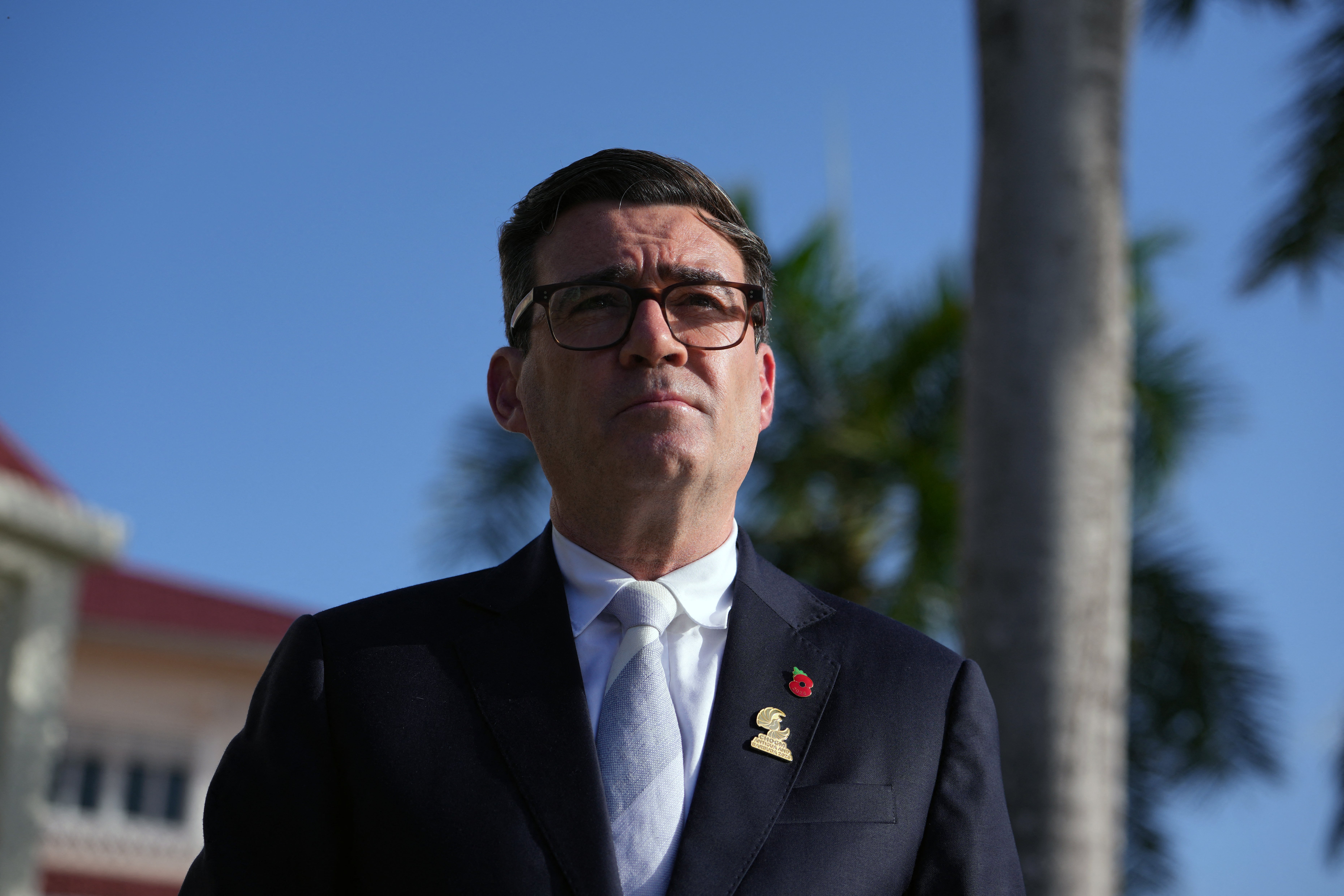
Andy Burnham said he wanted to wait for the review’s findings before commenting further on how the family had been treated. He said the chief constable had apologised and that people who saw the distressing video would sympathise with Nowak’s family. “Before we go further, I think we need to see the results of that review,” he said. His response underscores the limits of what can responsibly be concluded while the review is still underway.
What the reviews need to establish
The case now sits between two kinds of public response: political arguments that have already attached themselves to Nowak’s death, and formal scrutiny that is still in progress. The family has been clear about which matters most to them. This is more significant than it looks: when a case becomes a symbol in a broader dispute, the specific sequence of actions can recede from view, even though that’s where accountability must be examined.
If you’re following the case, the key distinction is between what’s been alleged, what investigators are examining and what has been established. The April assessment, the later investigation of two officers and the independent review each describe different stages of scrutiny. None, on the information provided, supplies a final account of why Nowak was handcuffed or whether there were missed opportunities to intervene. The unfinished part.
(And this is the part most people overlook.) A review can clarify decisions and processes, but its value will depend on whether its findings answer the questions the family has raised in terms they can understand. That said, the family’s request is not complicated: they want an explanation of how Henry was treated and why. The next public account of the case will be judged against that demand, not against the political narratives built around it.
Dear Henry: Our Fight For Justice airs Thursday at 9pm on ITV, ITVX and the ITV News YouTube channel.

