Nine people aboard
The deaths of software entrepreneur Adam Robinson, his family and five others have put the Learjet 60’s final minutes at the center of attention. The Bahamas-bound jet crashed in Palm Beach County, Florida, on Sunday, killing all nine people aboard. The account of the flight includes a distress call, reports of ice buildup and severe turbulence, and a rapid descent, but authorities haven’t formally established what caused the crash.
Robinson, 44, founded and led the software companies Retention.com and RB2B. He was traveling with his wife, Helen Sharp, a ceramics artist; their children, Emma, 4, and Charlie, 2; the children’s nanny, Anita Maria Cetina; and family friends Charmi Fehr and Rachael Reed. The passenger list describes a family trip that also included close friends and a caregiver who was part of the children’s daily lives.
A joint statement from the Robinson, Fehr and Cetina families described Adam and Helen as devoted parents and said their children were “the light of their lives.” It remembered Fehr and Reed for their joy and adventurousness, and said Cetina cared for the children “with tenderness and devotion.” Such statements can offer a glimpse of the relationships behind a headline, while the investigation into the crash proceeds on a separate track.
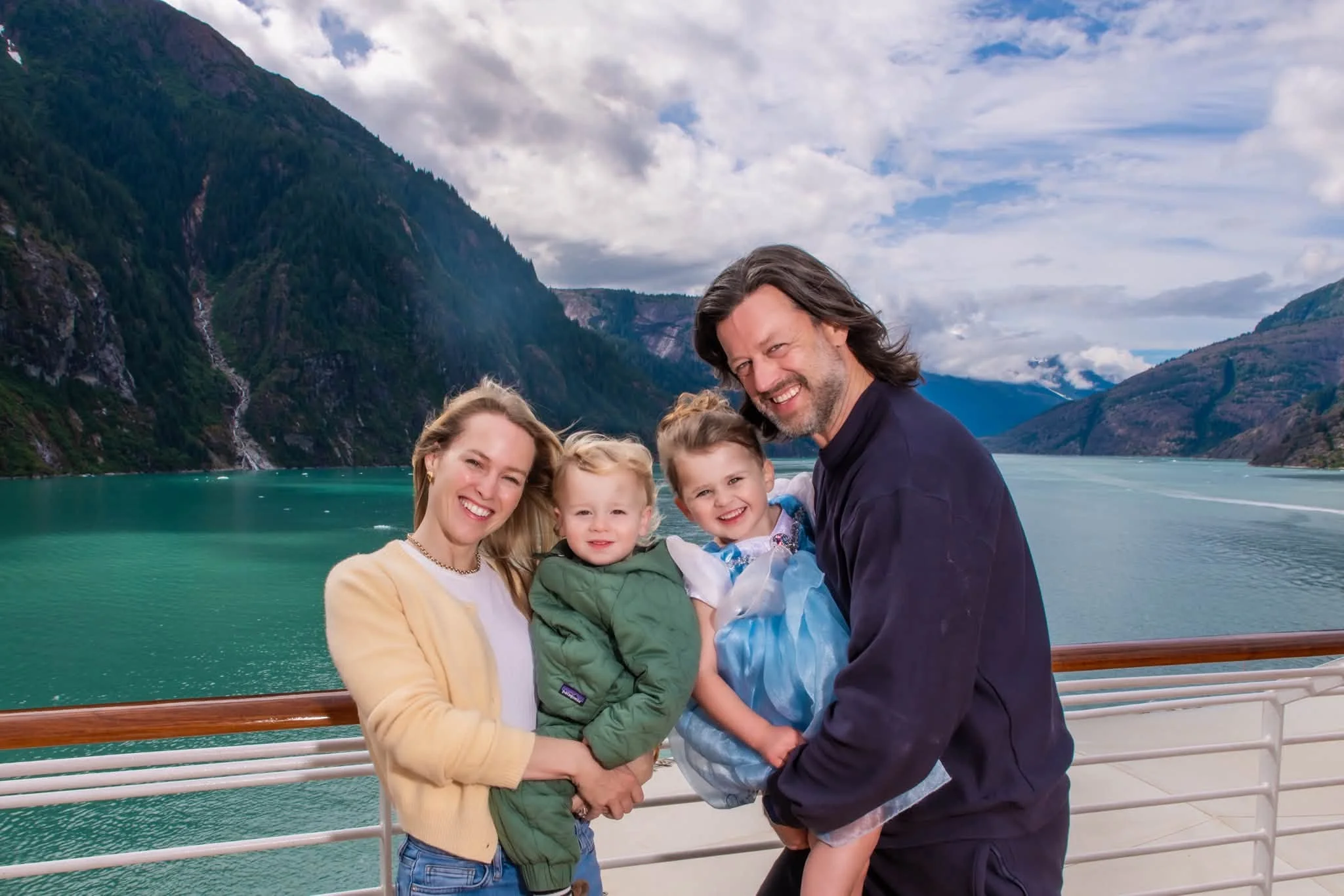

Robinson had previously worked at Lehman Brothers and Barclays Capital, according to his LinkedIn profile. Sharp shared her artwork and family life on social media. Those details sketch out different public and private sides of the family, but the immediate focus remains the loss of all nine people on board.
Distress call before impact
The Learjet departed Austin-Bergstrom International Airport for the Bahamas. It was flying east at 35,000 feet on Sunday afternoon when a pilot reported ice buildup and severe turbulence, which reportedly jolted the aircraft by as much as 700 feet. The jet then descended at a reported rate of 20,000 feet per minute. These figures convey the violence of the final moments, though they don’t, by themselves, explain what happened inside the aircraft or what led to the loss of control.
In audio of the radio exchange, an unidentified pilot issued a mayday call and said, “We are going to crash into the ground.” The pilot later added, “We’re out of time.” The urgency is unmistakable. But the short exchange offers only a narrow window into an emergency already unfolding; it cannot establish the underlying cause.
Witnesses recorded the aircraft erupting into flames; it left a smoking crater beside a road in a residential area. The scene brought the disaster into view for people on the ground, even as investigators will need to establish the sequence of events from evidence gathered at the site and from the flight itself.
Florida Governor Ron DeSantis called the impact “cataclysmic,” telling reporters the plane looked like “a missile going down.” He said no injuries or deaths on the ground had been reported immediately after the crash. That distinction matters: the initial reports described devastation aboard the aircraft, while officials had not reported casualties among people nearby.
Pilots identified as investigation begins
The pilots were Jeff Gregory, 55, an experienced pilot from Pennsylvania, and co-pilot Nathalia Gadelha Filgueiras, 20, who lived in Florida. Filgueiras earned her private pilot’s license as a high school senior and had logged more than 1,300 flight hours, her mother, Camila Corteleti, told The New York Times. Her experience and age have drawn attention, but neither detail can answer questions about the aircraft’s final minutes without findings from the investigation.
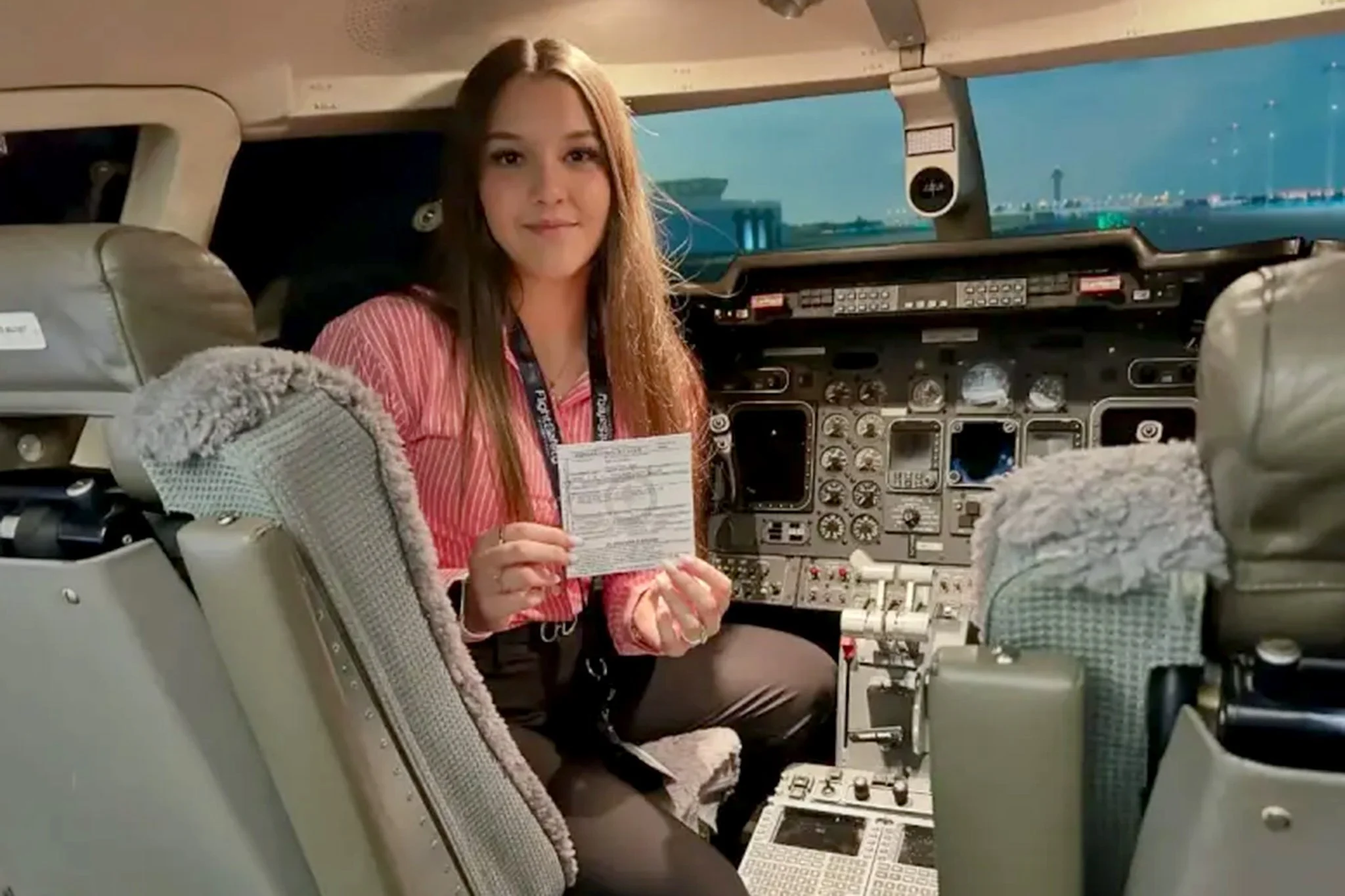
“She loved the freedom,” Corteleti said of her daughter’s flying. In a 2023 interview with CBS12, Filgueiras said, “I like being different than everyone.” Those remarks offer a personal portrait of a young pilot whose life and work were cut short, while the formal account of the flight remains incomplete.

The Federal Aviation Administration sent a team to assist the National Transportation Safety Board investigation, Transportation Secretary Sean Duffy said. Authorities haven’t formally established what caused the crash; the reported ice and turbulence are part of the available account of the flight’s final moments. That boundary between reported conditions and confirmed findings is more significant than it looks. A distress call can describe what pilots faced, but investigators must determine how those conditions relate to the crash.
What the investigation can establish
The public account currently consists of reported flight conditions, radio audio, witness footage and information about the people aboard. Each offers a different piece of the event, but none alone supplies a complete explanation. Investigators will need to assess the available evidence before drawing conclusions about the aircraft’s descent and impact.
If you’re working in aviation or following the investigation, the key distinction is between what was reported during the emergency and what investigators ultimately establish. Ice and turbulence were mentioned in the account of the flight; they shouldn’t be treated as a confirmed cause. Here’s the thing: urgency in the cockpit recording tells us how little time the pilots believed they had, not why the emergency began.
The human cost is already clear. The cause isn’t. For the families, the loss is immediate; for the public, the explanation will depend on evidence that has yet to be assessed. Still, the details now available make the crash difficult to reduce to a technical puzzle alone. Nine people died, including two young children and the people caring for them.

