A cluster of bomb threat reports disrupted air travel across Europe on Tuesday, sending aircraft to alternate airports and prompting searches on the ground. Several searches found no explosives, and officials confirmed that one report in Spain was a hoax. The cases involved different airlines, routes and responses, but shared a practical consequence: crews and passengers had to wait while authorities assessed whether aircraft could be safely cleared. The incidents show how quickly unverified threats can tie up planes, airport staff and security teams.
Searches and diversions across Europe
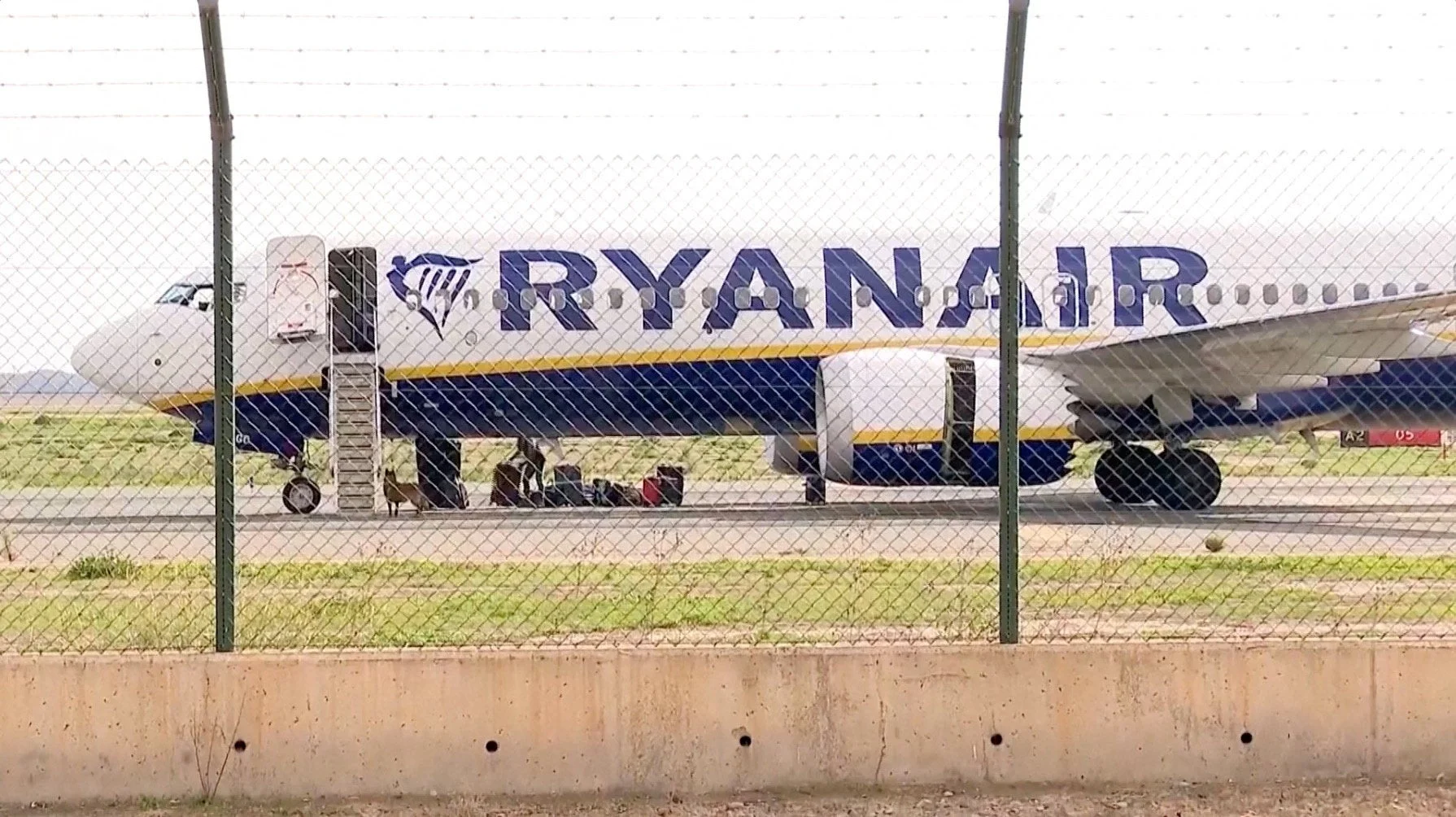
Two Ryanair flights, from Dublin and Lisbon, were searched after anonymous tips about possible bombs, the airline said. The Dublin flight carried 185 passengers, according to Bulgaria’s transport ministry; no explosives were found. A Wizz Air flight from Bergamo to Sofia also landed safely, carrying 176 people. These reports describe separate aircraft and checks, rather than one disruption confined to a single airport. For passengers, though, the distinction may matter less than the uncertainty of waiting for a search to finish.
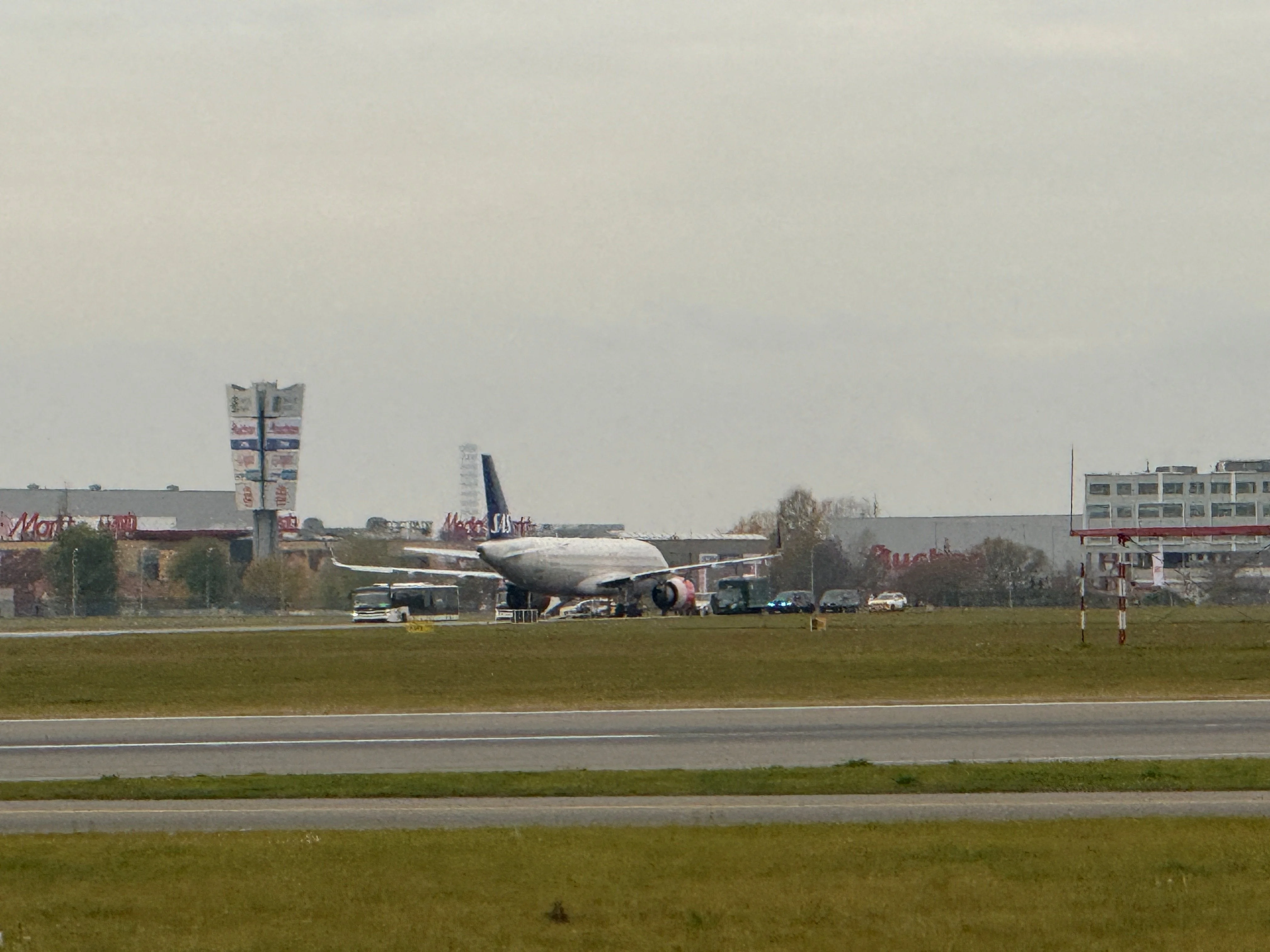
A LOT flight carrying 181 people from London Heathrow to Warsaw was diverted to Warsaw-Modlin on Tuesday morning. Modlin temporarily closed while authorities searched the plane, then reopened after finding no device. A separate SAS flight from Copenhagen to Warsaw landed at Warsaw Chopin Airport as scheduled. The airport stayed open, and authorities reported no device on board. The different outcomes underline how a threat assessment can affect one airport’s operations without necessarily stopping activity at another.
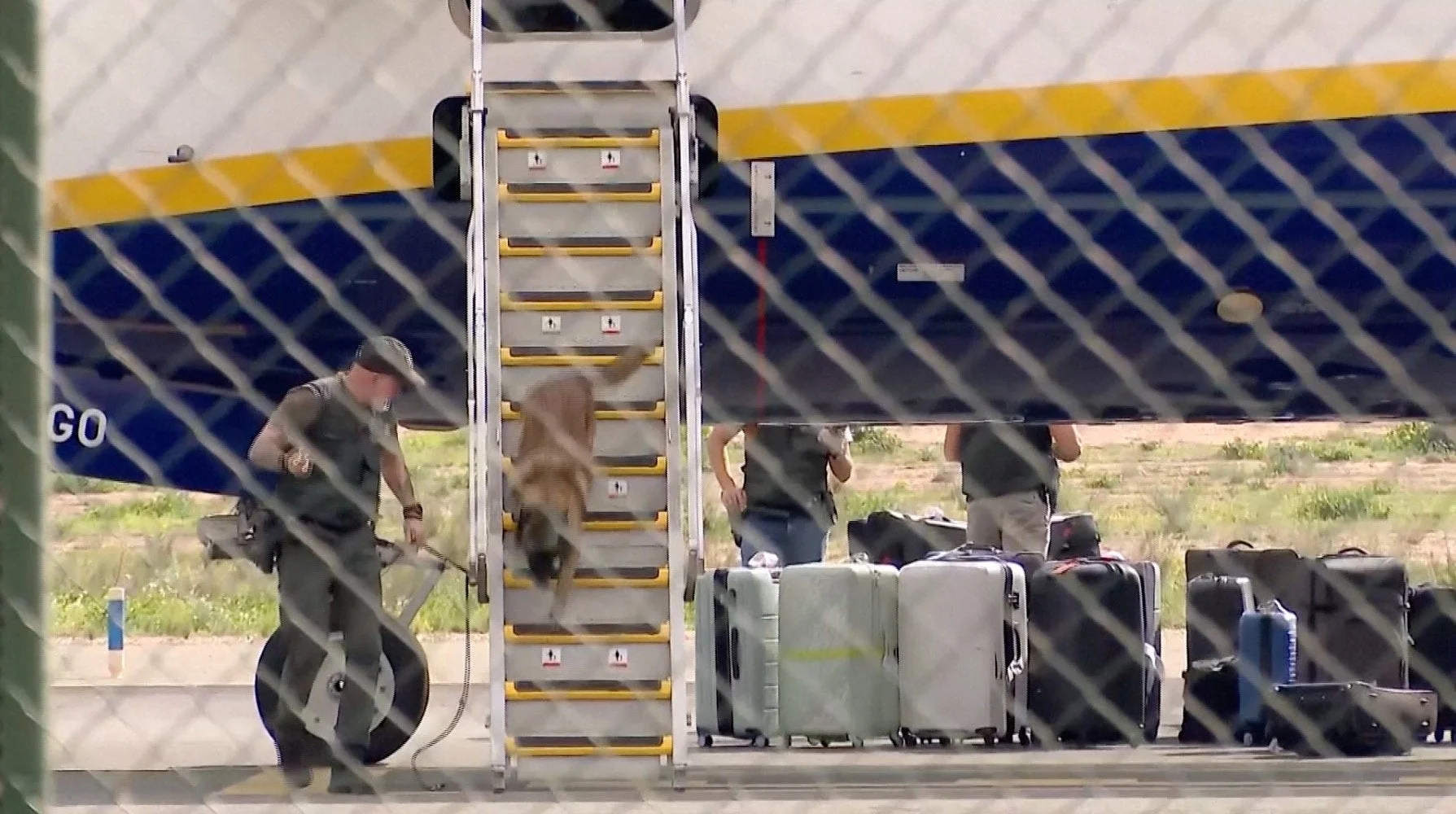
A Ryanair flight from Manchester to Murcia, Spain, landed with 114 passengers after a threat was reported, according to Diari ARA. Parts of the airport were cordoned off while authorities checked the aircraft. Officials later said the threat was a hoax and that no explosives had been found; normal operations resumed. The sequence matters: the hoax finding came after the security response, when authorities had already restricted access and inspected the plane.
In Sofia, police searched a flight from Israel after receiving a bomb threat by email. Interior Ministry secretary general Lyubomir Nikolov said counterterrorism officers were checking the aircraft for possible explosives, BTA reported. The available account does not say what the search found, so this case remains distinct from the reports in which authorities explicitly said no device was present. That uncertainty is part of the operational burden: a search is a response to a report, not proof that the threat is credible.
Earlier threat prompted fighter jet escort
The incidents followed a separate diversion on Monday, when a Wizz Air flight from London to Sofia was redirected to Budapest after a bomb threat. Hungary’s defence minister, Romulusz Ruszin-Szendi, said in a Facebook post that Gripen fighter aircraft took off within minutes and escorted the passenger plane to land. Police then took over the response, he said. The account shows how an in-flight report can involve both military and police authorities, with the immediate aim of directing the aircraft to a place where it can be assessed.
Why a hoax still carries a cost
Across the reported cases, responses ranged from searches after landing to airport closures and an escorted diversion. Even when no device is found, each report can quickly disrupt schedules and draw security resources across multiple airports. The effects can extend beyond the aircraft under inspection: a temporary closure changes where planes can land and may require staff to coordinate passenger handling and security checks. The reports here don't quantify delays or wider knock-on effects, so the scale of those consequences remains unclear.
Here's the thing: a hoax doesn't make the response unnecessary. Authorities have to treat a report as unresolved until checks are complete, and that can mean cordons, diversions or aircraft inspections before normal operations resume. The numbers here are underwhelming as a measure of danger—several searches found no device—but they describe a real test of airport coordination. And this is the part most people overlook: the disruption begins before anyone knows whether a threat is genuine.
What the pattern means for air travel
The cases don't establish a single cause or show that the reports were coordinated. They do illustrate how similar systems typically depend on decisions made across airlines, airport operators and public authorities, often while a plane is already in the air. If you're working in this space, the practical challenge is clear: assess each report quickly while keeping passengers informed and limiting disruption where the facts allow. That said, the source accounts offer little detail about how those decisions were reached or how long each search took.
For travelers, the immediate implication is uncertainty. A flight may be diverted, searched and cleared, while another aircraft at a nearby airport continues as scheduled. The reported outcomes offer reassurance in specific cases, including the confirmed hoax in Murcia, but they don't explain the status of every search. The response itself is the story: costly in time and attention, even when checks find nothing.

