A test with little detail, but a clear diplomatic backdrop
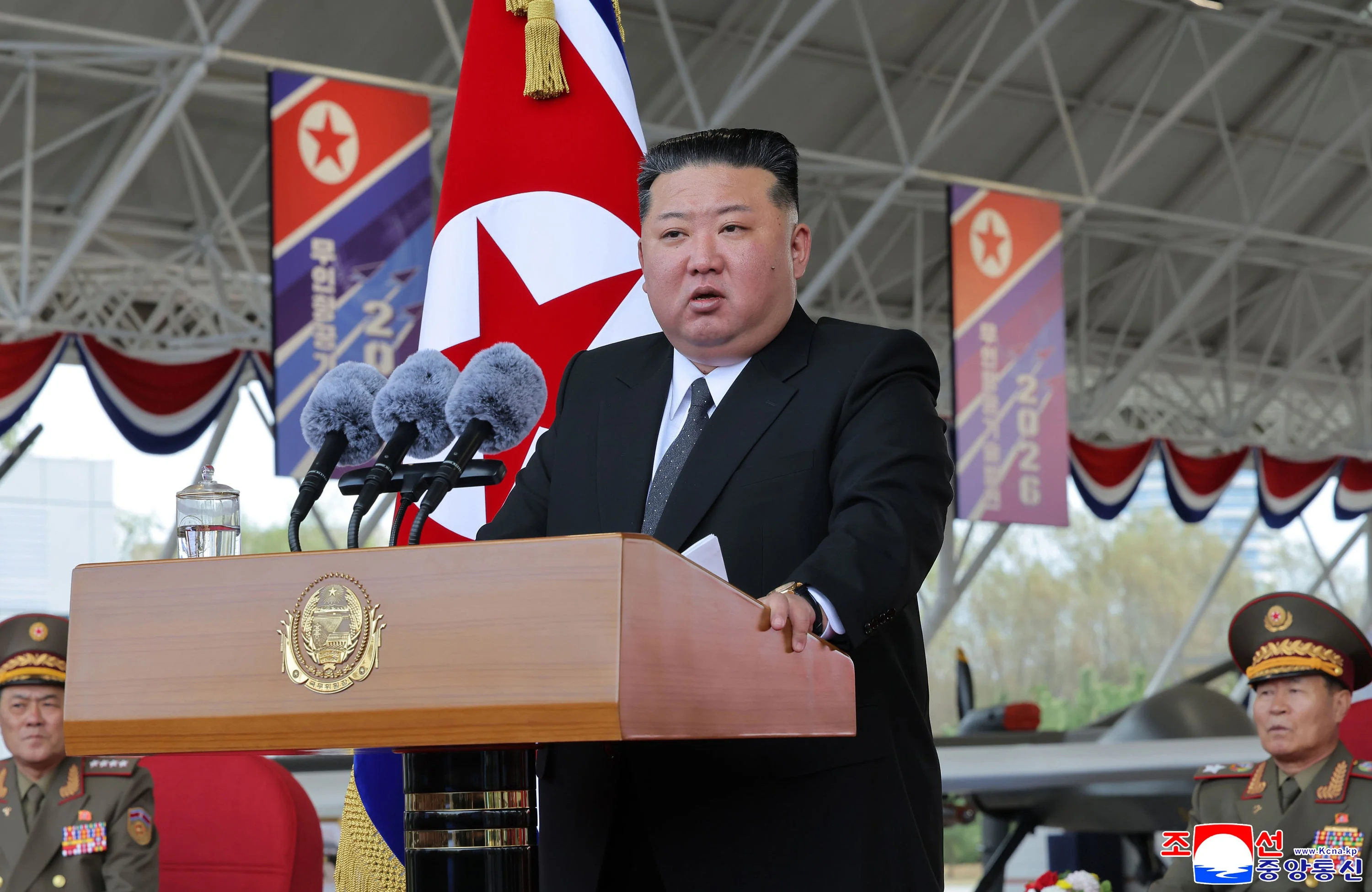
North Korea’s latest weapons test adds to a recent rise in launches as Pyongyang appears to be seeking greater leverage in any renewed talks with Washington. The test comes after President Donald Trump said he wanted to restart diplomacy with Kim Jong Un. The timing gives the launch political weight, though it doesn't establish that the test was designed specifically to influence negotiations. With so little information about the projectile, any claim about its intended message should be treated cautiously.
South Korea’s Joint Chiefs of Staff said the North launched an unidentified projectile toward the sea on Wednesday. It did not specify the weapon or provide further details. That leaves basic questions unanswered: what the object was, how it performed, and whether it represented a new capability or another test within an existing program. The direction of travel alone doesn't settle those questions.
Why an unidentified launch still matters
Military tests can serve several purposes at once. They may help a government assess equipment, train personnel, signal resolve to other countries, or draw attention to a diplomatic position. Those possibilities overlap, and a launch can carry strategic meaning even when its technical purpose isn't public. In this case, the available account supports only a limited conclusion: North Korea has conducted another launch amid a recent increase in testing.
That distinction matters because “projectile” is a broad description, not a weapon identification. Without details about the object or its flight, outside observers can't reliably infer its range, design, readiness, or intended use. Similar episodes are often discussed through competing interpretations, but the sparse information here doesn't support choosing among them. The uncertainty is part of the story.
For South Korea, monitoring a launch is also a practical security task. Officials need to detect activity, assess possible risks, and communicate what they can establish. Their public statement, as described here, confirms the launch while withholding a more specific classification. That may reflect the limits of the available information; the report doesn't say why further details weren't provided.
Diplomacy and the value of leverage
Pyongyang’s apparent interest in gaining leverage points to a familiar tension in negotiations: military activity can shape the atmosphere in which talks might resume. A test may draw attention to a country's capabilities or insistence on being treated as a serious counterpart. But a launch can also complicate diplomacy by reinforcing mistrust and making it harder for officials to build confidence.
Here's the thing: a public invitation to restart diplomacy doesn't itself create a negotiating process. Talks require decisions on both sides about whether to meet, what subjects to discuss, and what each side expects to gain. The source gives no indication that a meeting has been arranged or that either government has set terms. The test and Trump’s stated interest are relevant developments, but they aren't evidence that negotiations are imminent.
This is more significant than it looks, though the significance lies in the pattern rather than in any confirmed technical breakthrough. North Korea has increased its weapons tests in recent weeks, according to the report. Repeated launches can keep military capabilities and diplomatic demands in view, even when each individual test yields little public information. And yet, frequency by itself doesn't reveal whether the underlying program has changed.
What remains unknown
The projectile’s type and purpose remain unclear. There is no information here about its performance, the equipment involved, or the reason North Korea chose to launch it on Wednesday. Those gaps constrain analysis, and filling them with confident claims would go beyond the evidence.
If you're working in this space, the useful next step is to watch for confirmed details that clarify the launch and for concrete signs that diplomacy is resuming. The available account establishes a sequence: Trump expressed interest in restarting diplomacy, and North Korea conducted another test amid a recent rise in launches. It doesn't establish a direct link between the two. A signal, perhaps; a demonstrated negotiating strategy, not yet.
For now, the episode is best read as both a military event and a diplomatic data point, with the balance between those roles unresolved. The missing technical detail is not a footnote. It limits what anyone can responsibly say about the weapon, the message, and the prospects for talks.