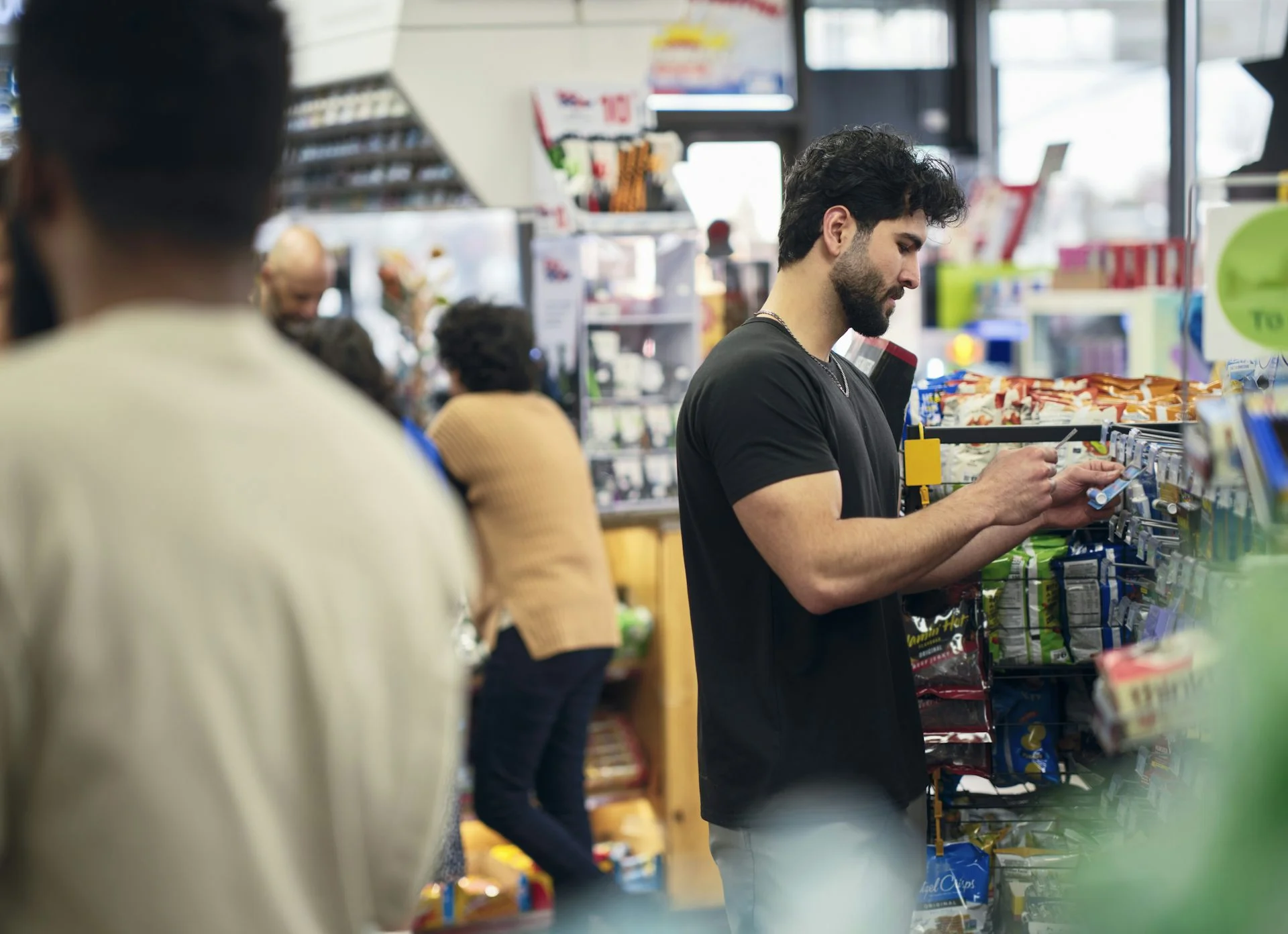
New SNAP purchase restrictions appear to be shrinking the program’s convenience store network. In the 10 states that introduced restrictions in early 2026, participating convenience stores were 1.4% fewer than expected based on trends elsewhere. The decline was most pronounced in states that barred both sugary drinks and candy.
That finding comes from a study published in Health Affairs Scholar in October 2026. Researchers tracked SNAP-authorized retailers from January 2025 through June 2026, comparing the change in waiver states with the rest of the country.
The decline centers on convenience stores
The 10 states studied adopted different limits. Some restricted only soda and other sugary drinks; others also prohibited items such as energy drinks, candy, cake and prepared desserts. Where restrictions covered both sugary drinks and candy, the average number of participating convenience stores fell 2.2%.
The study found no statistically significant decline in supermarkets or superstores. The pattern instead points to a possible vulnerability among smaller retailers, particularly in areas with many low-income residents and high SNAP participation.
SNAP supports about 36 million low-income Americans. Benefits can be used at more than 250,000 stores for groceries including fruit, ground beef and canned beans. A range of products, including hot food, alcohol, toiletries and pet food, has long been excluded under existing SNAP rules. The new waivers let states add further restrictions.
Most SNAP purchases happen at larger retailers, according to federal data. But convenience stores still supply groceries in neighborhoods with few supermarkets, making their participation relevant to local access.
Retailer burden may be part of the explanation
Stores affected by the new rules may have to change checkout systems and train staff to reject newly prohibited purchases. That work could be especially difficult for smaller operators and may help explain why fewer convenience stores remain authorized to accept SNAP. The study measured retailer participation, however, and did not establish why individual stores left the program.
The results arrive amid broader changes to SNAP. Legislation passed in July 2025 altered eligibility rules and the way states fund program administration, as described in research on the program’s changing structure. Some people likely eligible for benefits are already encountering more difficulty enrolling as states prepare for those rules. Enrollment is falling, even as reports indicate that need has not diminished.
Policy changes complicate the picture
The analysis captures a period of shifting rules and legal challenges. On June 22, near the end of the study period, a federal court invalidated food restrictions in Colorado, Iowa, Nebraska, Tennessee and West Virginia. Waivers remained in effect in Indiana, Utah, Idaho, Oklahoma, Louisiana, Texas and Florida. The study does not determine how those court rulings will affect retailer participation over time.
Plans for similar restrictions in South Carolina, North Dakota, Ohio and Virginia are on hold. Separately, starting in November 2026, most U.S. stores will face new SNAP stocking standards. Retailers will need to carry a broader selection of staple foods, including grains, dairy and produce. Those requirements may add another operational challenge for convenience stores.
The next question is whether the observed declines persist as states change their rules and retailers adjust. The study establishes a link between waivers and fewer participating convenience stores; further research will be needed to track the effects beyond June 2026.
The Research Brief is a short take about interesting academic work.

Justin White receives funding from Bloomberg Philanthropies’ Food Policy Program.
Benjamin Chrisinger does not work for, consult, own shares in or receive funding from any company or organization that would benefit from this article, and has disclosed no relevant affiliations beyond their academic appointment.

