The Green Man legend has a human history that complicates the usual ghost-story version. Raymond Robinson was a real man who walked western Pennsylvania roads at night; the glowing, threatening figure said to haunt a tunnel belongs to folklore. The gap between those accounts matters: Robinson’s life helped create the legend, while the legend often reduced him to an object of fear.
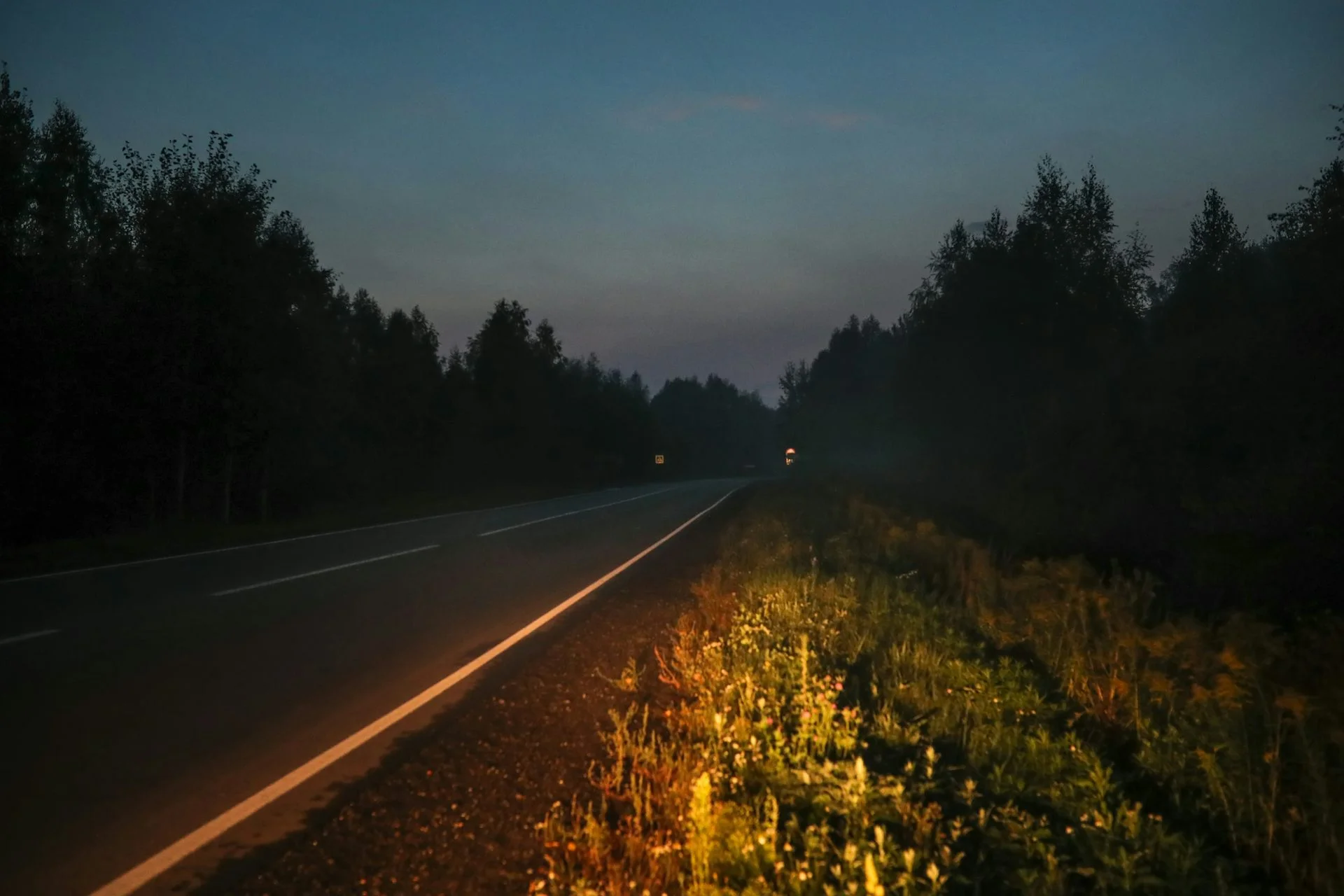
That history is a useful case study in how legends work. They can attach themselves to recognizable people and places, then change as each new teller adds details, doubts, or a personal account. In this case, people who went looking for the Green Man sometimes met Robinson himself. Those encounters didn’t necessarily puncture the story. They may have helped it endure.
A legend is a story people debate
Folklorists use “legend” more precisely than everyday speech does. A legend is generally told as a story that could have happened in the real world, but whose truth remains open to discussion. Hungarian American folklorist Linda Dégh put the point this way: “The legend is a legend once it entertains debate about belief. … The sounding of contrary opinions is what makes a legend a legend.”
That definition shifts attention from proving a story true or false to asking how people use it. Myths, by comparison, are sacred accounts of creation or explanations set beyond ordinary time. Legends are grounded in claims about the past, people, and places that listeners may recognize. They can overlap with accepted history, conflict with it, or borrow from it.
For folklorists, such stories aren’t simply failed history. They carry meanings that depend on who tells them and who listens. Studying a legend means paying attention to why it matters, how it travels, and what assumptions it brings with it. The Green Man story is especially revealing because the person at its center was not imaginary.

Raymond Robinson’s life and the road at night
News accounts identify Raymond Robinson as the person behind the western Pennsylvania legend. In 1919, when he was 8, he climbed a bridge near Beaver Falls in Beaver County to reach a bird’s nest and came into contact with a live electrical line. He survived, but the injuries took his eyes, nose, and part of one arm.
Robinson lived with his family in Koppel. According to the story that grew around him, he began walking a quiet stretch of Route 351 at night to avoid attention. Some people called him “Charlie No-Face.” “Green Man” became a familiar name farther afield. The labels stuck to a person whose severe injuries already made him conspicuous, turning ordinary walks into the foundation for a supernatural tale.
People later said they had encountered and spoken with Robinson on those walks. Reports describe a range of treatment: some visitors were kind, while others were not. Robinson died in 1985. His great-niece has described him as exceptionally kind, a detail that sits uneasily beside the frightening character built around his appearance.
The most disturbing part of the account may be less the imagined haunting than the way Robinson became a target of fear and ridicule. A story can make a person seem monstrous by treating a disability as a warning or spectacle. That framing follows the legend long after the original encounters, and it affects how people remember Robinson and his family.
When visitors become part of the story
Folklorists call a deliberate visit to a place associated with a legend “legend-tripping.” People make the trip to test the story, seek a thrill, or experience some part of it for themselves. In the Green Man case, some visitors went out hoping to find Robinson during his walks. Their encounters gave the tale something unusual: witnesses who could claim they had met the person on whom it was based.
It might seem that meeting a living man would dissolve a ghost story. Yet the opposite can happen. A real encounter can supply fresh details, establish a location, and give later tellers a personal account to repeat. The meeting becomes evidence inside the legend, even when what happened differs from the supernatural claims that gather around it.
The supposed Green Man Tunnel in South Park Township appears to have had no connection to Robinson’s actual life. In the legend, a glowing and dangerous figure with supernatural abilities is said to live there. Robinson, by contrast, was a man with severe injuries who walked at night. Keeping those accounts distinct helps clarify what is documented and what belongs to the evolving story, without pretending that the story has no influence on his history.

Correcting the legend without erasing it
Popular coverage often approaches folklore as a claim to debunk. The television series “MythBusters,” for example, tested familiar beliefs, including whether a penny dropped from the Empire State Building could kill someone. Reporting on the Green Man likewise often emphasizes that a real person stood behind the legend. That correction matters: portraying Robinson as a monster risks repeating the dehumanization that made his appearance a source of public fascination.
But debunking the supernatural elements probably won’t make the story disappear. Legends persist through retelling, and Robinson’s real walks and the accounts of people who met him are already part of that process. The challenge is to tell the history with enough care to recognize both the person and the folklore that grew around him.
That means treating the legend as part of the record of Robinson’s public memory, while questioning claims that turn him into a threat or a spectacle. The story is not neutral: its names, settings, and repeated descriptions shape how audiences picture a disabled man they never knew. At the same time, legends remain open to argument. People can challenge the details, correct harmful portrayals, and tell a version that gives Robinson more of his humanity back.
When students raise the Green Man in a class on monsters and the supernatural, the central point isn’t simply that a ghost story was based on a real person. It’s that a real person became the subject of a story that continues to shape how others imagine him. The legend may keep changing, but each retelling offers a choice: repeat the monster, or make room for Raymond Robinson.
Read more of our stories about Pittsburgh and Pennsylvania.

Jeffrey Tolbert does not work for, consult, own shares in or receive funding from any company or organization that would benefit from this article, and has disclosed no relevant affiliations beyond their academic appointment.

