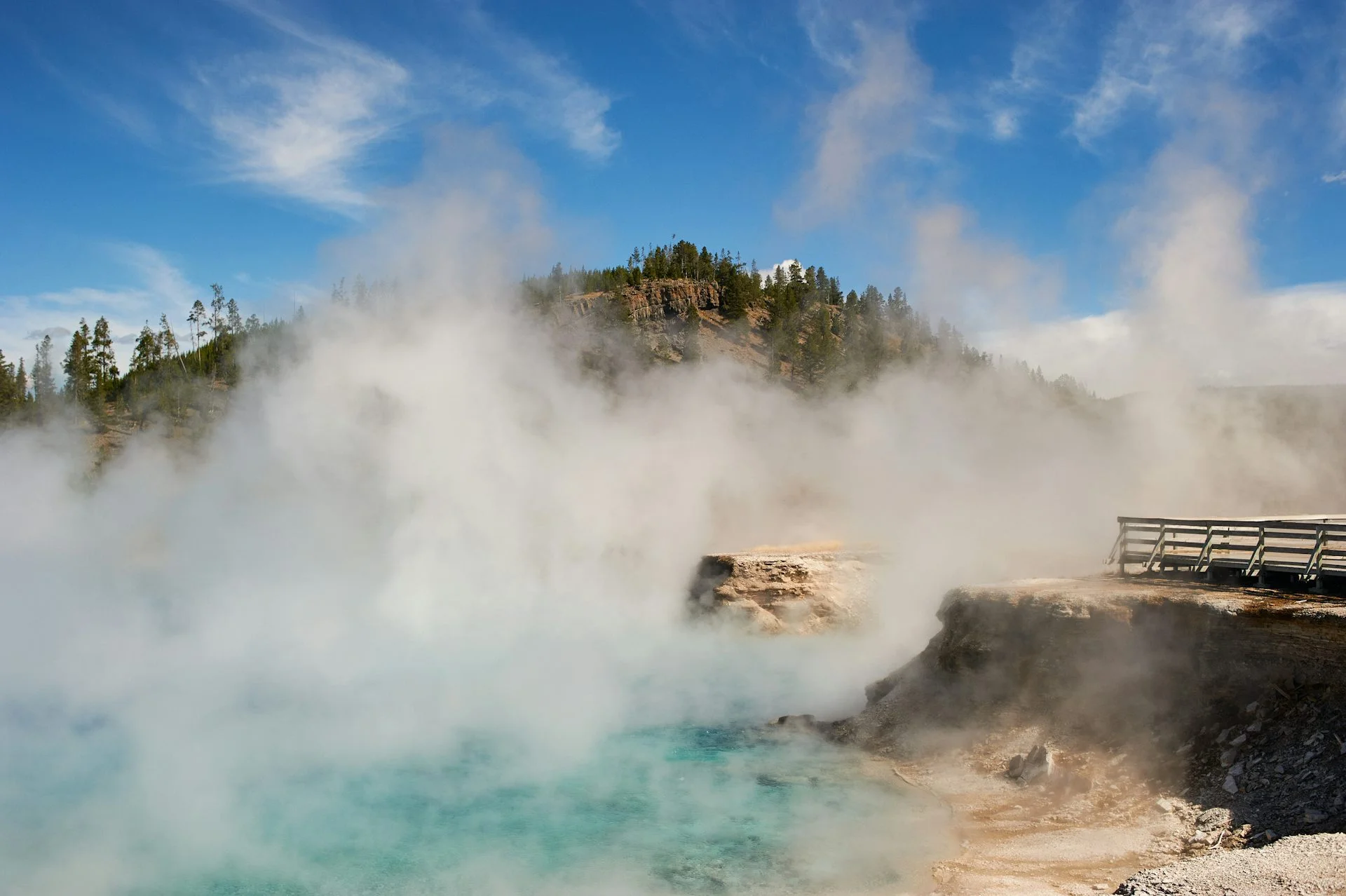
A new upper limit for complex life
A single-celled amoeba from Northern California has pushed the known heat limit for eukaryotic life. Incendiamoeba cascadensis can reproduce at 145°F (63°C), exceeding a long-standing estimate that complex cells could not persist above 143°F (62°C). The margin is small, but the result matters because the old boundary was an estimate, not a hard rule imposed on every organism.
The finding, reported by the research team in a study published in September 2026, gives scientists a new organism for examining how temperature shapes the limits of life. Eukaryotes include animals, plants, fungi and many single-celled organisms; their cells contain structures such as nuclei and mitochondria. Bacteria have been recorded at temperatures as high as 212°F (100°C), but comparable records for eukaryotes have been much lower. That gap raises a basic biological question: what makes the more internally structured eukaryotic cell vulnerable to heat, and can evolution compensate for those constraints?
This is more significant than it looks. A record for reproduction shows that the organism can complete the work of making new cells under these conditions; it says more than simply finding an amoeba present in a hot spring. But it doesn't mean all eukaryotes are close to this limit, or that the species can thrive across every temperature near its maximum.
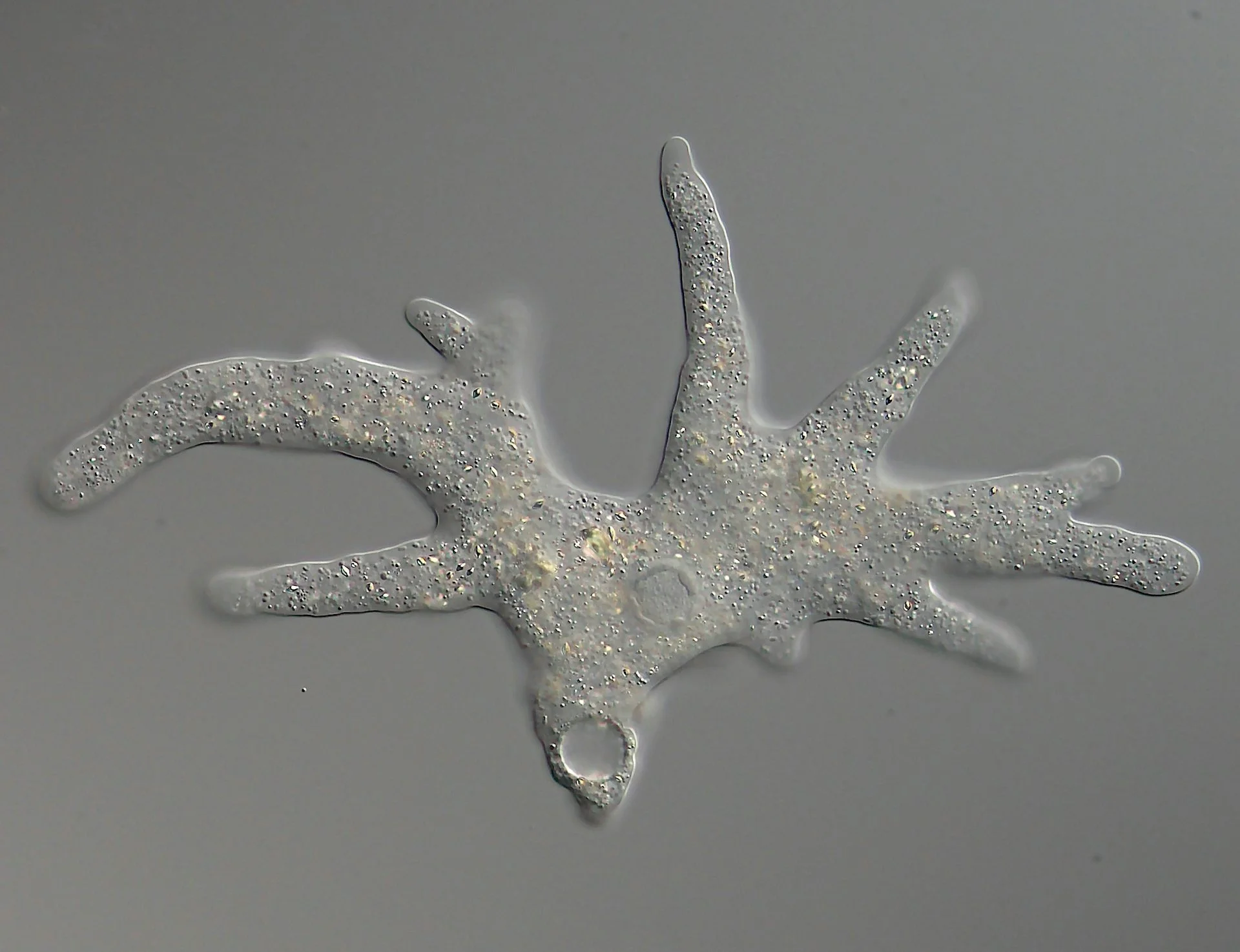
Amoeba from a geothermal spring
Researchers isolated the organism from geothermal springs in Lassen Volcanic National Park. They suspect it may also live in other geothermal regions, though that remains to be established. Finding it elsewhere would help clarify whether the amoeba is tied to a narrow local habitat or belongs to a wider group of heat-adapted organisms.
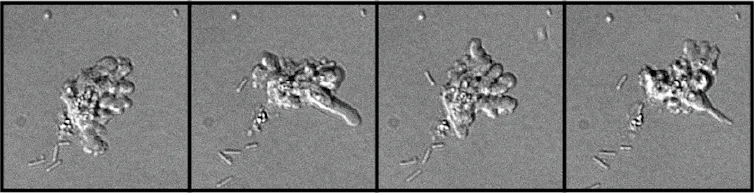
Like other amoebae, Incendiamoeba changes shape as it moves and searches for food and suitable conditions. It crawls actively at 147°F (64°C). A few degrees hotter, however, and it shifts into a protective, hibernation-like state. That change suggests the organism's response to heat isn't simply a steady decline in activity: it can switch from active growth and movement to a state that may help it endure harsher conditions.
That distinction matters when interpreting a temperature record. The temperature at which an organism can reproduce, the temperature at which it moves, and the temperature at which it can merely endure are different measures. Here, the amoeba's active crawling at a temperature above its reported reproduction threshold points to more than one boundary, each describing a different part of its biology.
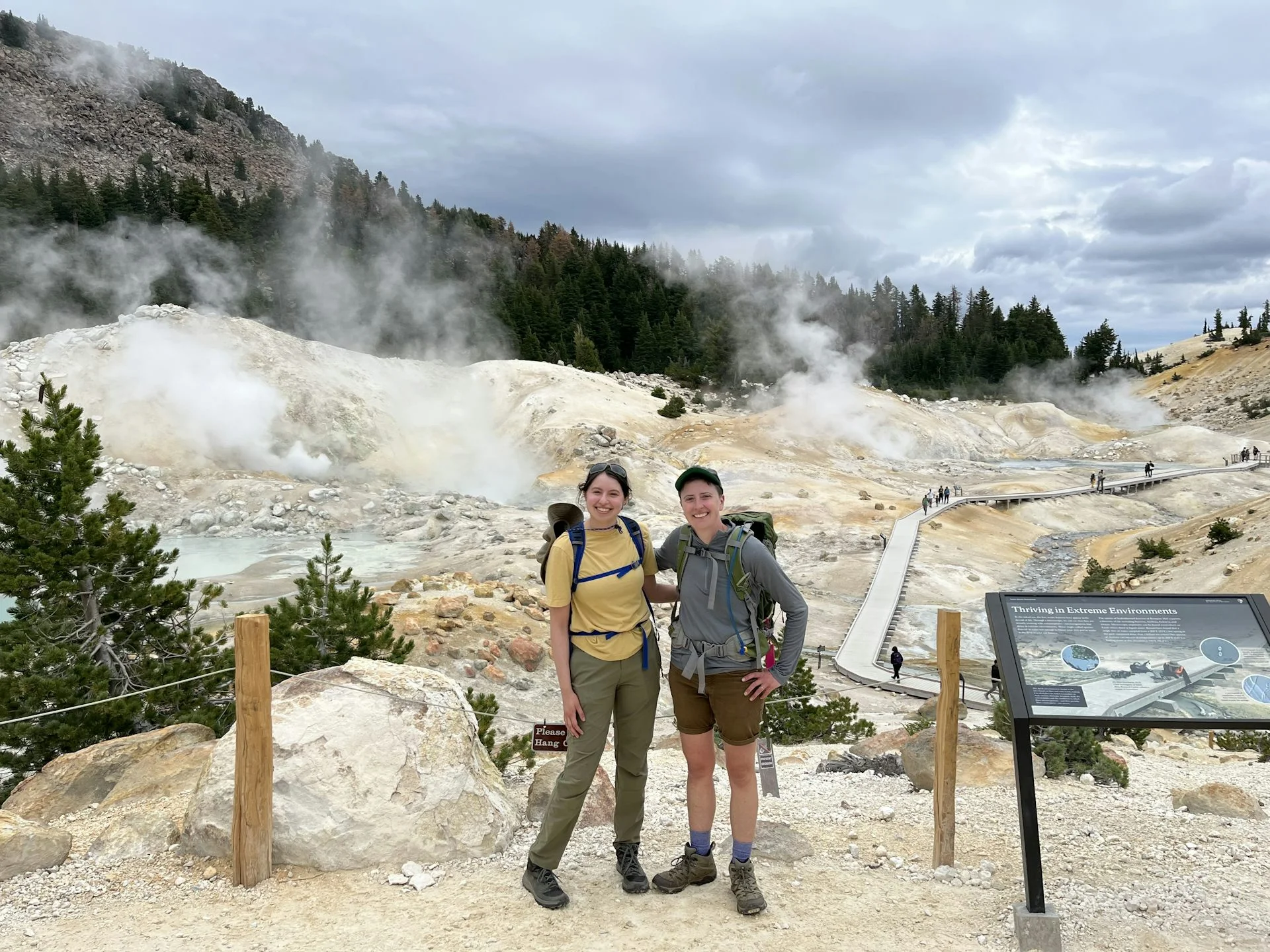
What helps it withstand heat?
Heat can disrupt the bonds that hold proteins in shape, leaving them unable to do their jobs. Eukaryotic cells also have multiple membranes, large genomes and a cytoskeleton, all of which could make surviving extreme conditions more difficult. Yet Incendiamoeba has these same features, so its record raises a sharper question: which, if any, of them actually set the temperature limit? The answer may depend on how those parts interact under stress, rather than on one cell structure acting as a simple weak point.
One familiar defense is a group of proteins called heat shock proteins. They detect proteins that have started to unfold and help restore their structure. The researchers found that Incendiamoeba has a large store of these molecular helpers, but that alone may not explain its tolerance. Producing heat shock proteins takes energy, and the helpers themselves must also remain properly folded. A large supply is therefore a clue, not a complete account of how the cell stays functional.
The amoeba also has an unusual mix of protein building blocks that may help proteins hold together. That could offset some heat-related damage, but it may be only part of the explanation. Researchers have also identified genes that become more active as temperatures rise; many of those genes have unknown functions. The unresolved genes are especially interesting because they could point to defenses that aren't captured by the better-known heat shock response.
Here's the thing: a cell's survival depends on many processes working at once. A protein may resist unfolding, but the cell still has to manage energy, preserve its internal structures and respond to damage. The findings leave open how much each observed feature contributes, and whether some work only in combination.
What the finding could tell us
The likeliest explanation may be a combination of small adaptations rather than one decisive mechanism. Studying Incendiamoeba alongside other heat-tolerant eukaryotes could reveal how those changes work together—and where the boundaries of complex cellular life really lie. (And this is the part most people overlook.) A single species can revise an estimate, but it can't establish a universal ceiling for a diverse group of organisms.
If you're working in this space, the next questions are practical: whether the amoeba occurs in other geothermal regions, what its heat-responsive genes do, and how its protein composition compares with that of organisms that tolerate less heat. Each answer could help separate traits that merely accompany heat tolerance from those that actually enable it.
For now, the result is a useful complication in the story of life's limits. The old estimate has been surpassed, while the mechanisms remain unsettled. More clues than answers.

Kristen Skruber receives funding from the M.J. Murdock Charitable Trust.


