The Academy of Natural Sciences has been a place where scientific curiosity becomes personal. Its closure in Philadelphia raises a broader question: what happens to young people who first encounter science through a museum rather than a classroom?
I first visited the Academy of Natural Sciences as a Villanova University freshman. Friends from Philadelphia showed me the exhibits and shared childhood memories tied to them. Their stories made clear that the museum had shaped how they saw science long before we met.
I recognized that feeling from visits to New York’s American Museum of Natural History. I used to stare up at the dinosaurs and wonder what it would mean to share the planet with animals so enormous. In the Hall of Ocean Life, a dim diorama behind the staircase showed a giant squid grappling with a sperm whale. Those encounters gave my questions somewhere to go.
Today I’m a physics Ph.D. student studying black holes. I hope to become a professor and help students find their own way into science. That’s why news that the Academy would close landed hard.
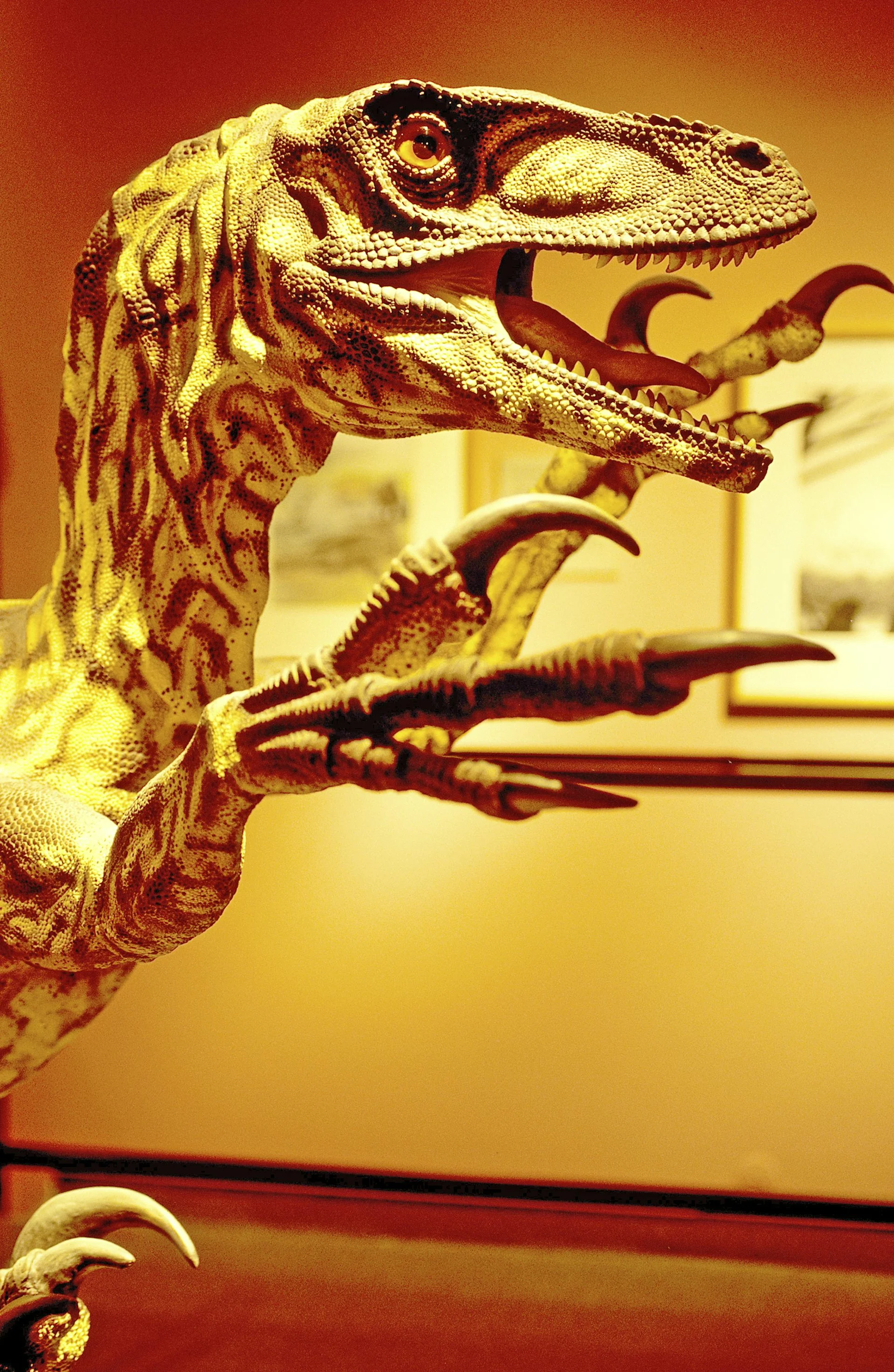
A research institution as well as a museum
Established in 1812, the Academy is the oldest natural science museum in the United States. Its work has connected public education with research in biodiversity, evolution, paleontology and environmental science. Drexel University acquired the institution in 2011 and manages its endowment.
For visitors, that research has sat alongside experiences such as the Dinosaur Hall and butterfly garden. Exhibits and collections offered a way to encounter scientific ideas directly, outside a lecture or textbook.
Drexel announced on Sept. 1, 2026, that the museum would shut by month’s end, pointing to financial strain and declining attendance. It welcomed visitors for the final time on Sept. 27. The abrupt announcement drew criticism from supporters seeking to “Save the Academy.” Philadelphia City Council members said they were surprised they hadn’t been asked to help before the closure decision.
The William Penn Foundation offered to fund operating subsidies for at least a year, which could give the Academy time to work out a longer-term plan. Drexel has said it still needs a sustainable financial solution.
At a nearly four-hour City Council hearing on Oct. 26, members pressed for an explanation of the closure and what it would take to reopen the museum. The hearing is scheduled to continue on Nov. 16. The funding offer gives the institution some room to consider its options, but the doors remain closed.
Why first encounters matter
Museums can be treated as destinations for a day out or a school trip. Their influence lasts longer. They preserve scientific records, support research and let visitors encounter subjects they might not otherwise meet. Natural history displays can carry a child from a bobcat’s snowy habitat to a rainforest filled with giant monkeys, turning distant ecosystems into scenes to question and imagine.
That access matters for families and students who may never pursue a college education or a STEM career. Museums create chances to see science at close range, an experience that a textbook, social media post or classroom lesson can’t always replicate. UNESCO describes museums as a way to widen access to these experiences.
I can trace my own academic path to those early visits: looking at galaxies at the Hayden Planetarium and sleeping beneath the blue whale at the American Museum of Natural History. I also met scientists doing work I admired. They helped me picture myself in careers that had once seemed distant.
Those moments helped me become a first-generation college student and pursue academic research. They made a life in science feel reachable. Philadelphia’s effort to find a future for the Academy will determine whether the next generation can have that same kind of first encounter.
Read more of our stories about Philadelphia and Pennsylvania, or sign up for our Philadelphia newsletter on Substack.

Lili Mei Granda Argianas does not work for, consult, own shares in or receive funding from any company or organization that would benefit from this article, and has disclosed no relevant affiliations beyond their academic appointment.

