Strong economic indicators aren’t translating into confidence among American voters. With consumer sentiment falling ahead of the Nov. 3, 2026, midterm elections, the gap between national economic statistics and people’s assessments of the economy has become politically significant. My read is that the gap reflects more than lingering sticker shock: headline growth can obscure who is benefiting, while survey answers may register concern about the country as a whole.
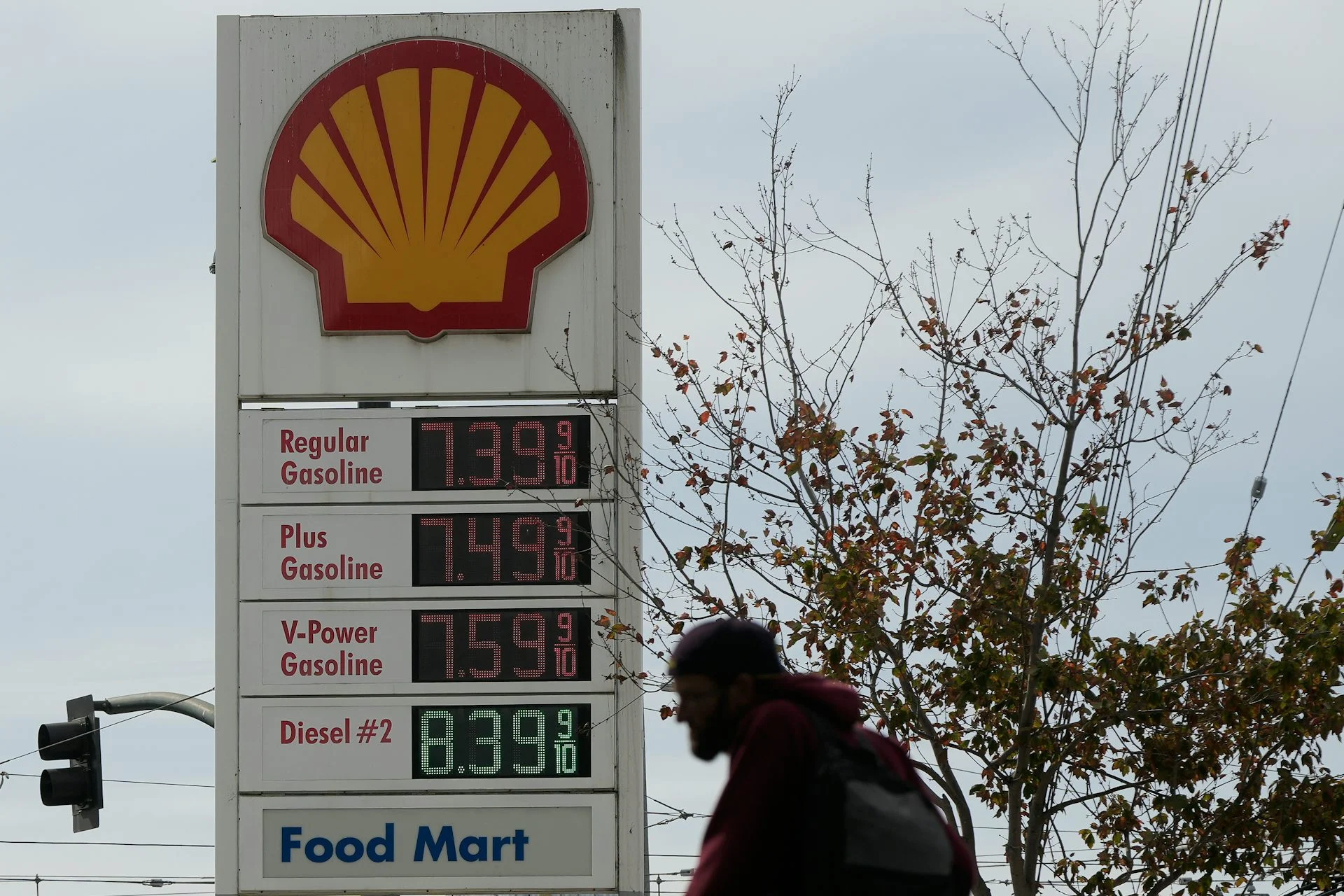
The political stakes are clear. In an early October Pew Research survey, 84% of registered voters said the economy was very important to their vote. That concern crosses party lines: 82% of Republicans and 88% of Democrats gave the economy that rating, making it the least divisive issue in the survey. Republican voters’ outlook has worsened especially sharply, narrowing a gap with Democrats who remain more pessimistic overall.
That helps explain why Democrats are expected to make significant gains in Congress. Voters may use the election to judge how well the economy is serving ordinary Americans under President Donald Trump and a Republican-controlled Congress, even while several national indicators look strong. The question is not simply whether the economy is growing. It’s what people think that growth says about their own prospects and the country’s direction.
The confidence gap is widening
The University of Michigan’s consumer sentiment index offers a useful view of that public assessment. It asks about respondents’ personal finances, their short- and long-term economic expectations, and whether they consider it a good time to make major purchases. Historically, the index has tracked consumer spending and inflation: changes in the broader economy tend to show up in how people assess their own finances.
That relationship has weakened in recent years. Consumer spending, business investment and employment have held up, yet confidence has declined. The Michigan index is now 10% below its level a year earlier. For economists and political observers, the divergence raises a practical problem: standard indicators can show economic activity without revealing whether most households feel they’re getting ahead.
Inflation remains part of the explanation. It is still above the Federal Reserve’s 2% annual target, with pressures linked in the source account to tariffs, higher energy costs amid turmoil in the Middle East, and heavy investment in artificial intelligence infrastructure. Even after the inflation rate fell from its 21st-century peak of 9.1% in June 2022 to 3.7% in September 2026, consumers felt worse about the economy than they had at that earlier peak.
That mismatch suggests people are responding to more than the current rate of price increases. The level of prices matters alongside the pace at which they rise: a slower increase doesn’t undo the earlier jump. Recent wage figures may add another strain. Inflation-adjusted wages rose from 2022 through the first half of 2026, even as sentiment stayed weak, but they have since begun to fall. That change could be contributing to the darker outlook.
Growth figures conceal who is spending
Income and wealth inequality offer another way to understand the disconnect. U.S. income inequality has risen over the past two decades, briefly narrowing during the 2008 and 2020 crises before widening again. In an economy where gains and financial resources are concentrated, aggregate numbers can look healthy while many households see little improvement in their own budgets.
Consumer spending illustrates the issue. The Federal Reserve has pointed to strong spending in its assessments, but the richest 10% of Americans now account for half of retail spending. Meanwhile, spending by the bottom 80% of earners has fallen behind inflation. Those figures describe different economic experiences: affluent households can sustain strong overall demand even as more typical consumers struggle to keep pace with prices.
Wealth is even more concentrated. The top 0.1% of American households collectively hold five times the wealth of the bottom 50%. Uneven gains from the stock market boom and the way wealth is taxed help shape that divide. A rising market can lift the value of retirement accounts, but the gains are distributed unevenly, and they don’t necessarily change the financial outlook of households without substantial investments.
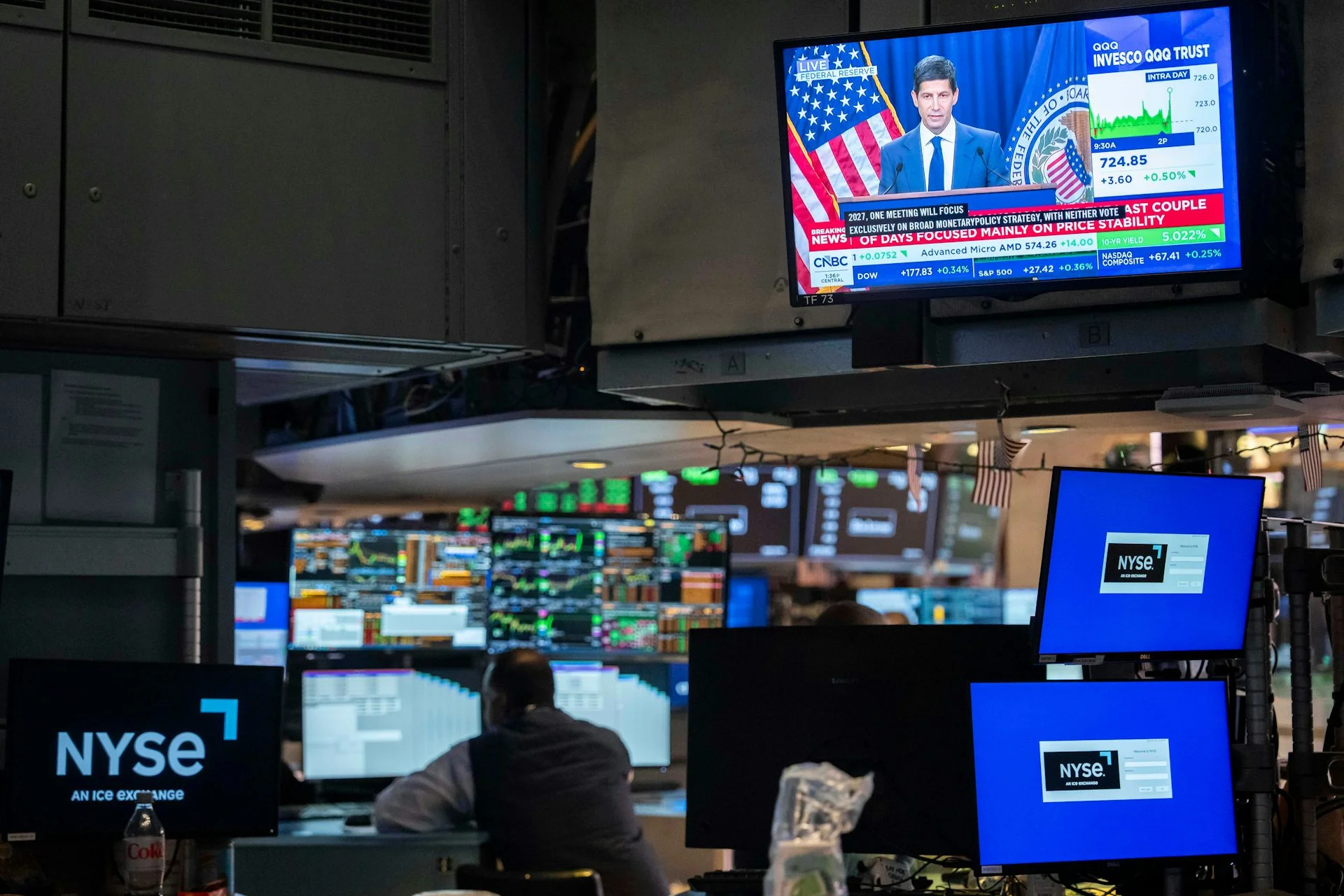
Here’s the thing: headline spending and market performance measure activity and asset values, not how broadly their benefits reach. If wealthier consumers account for a large share of purchases, strong total spending can coexist with widespread strain. That makes economic averages a poor stand-in for the experience of the voters whose confidence is falling.
People may be judging the whole economy
Consumer surveys are often read as reports of personal circumstances. But answers may also reflect how respondents think the economy is working for the country, not just whether their own income covers their expenses. Researchers call this kind of judgment “sociotropic”: a view shaped by collective well-being, including concerns about fairness, opportunity and economic justice.
That distinction matters at the ballot box. Research indicates that voters can weigh their perceptions of the national economy more heavily than their personal finances when deciding whether to support the party in power. Views on trade offer a parallel: people’s preferences about policies such as tariffs are shaped less by their own likely costs than by what they believe those policies will do to the country.
If consumer sentiment works similarly, pessimism need not be a simple contradiction of strong GDP growth or low unemployment. Respondents may be accounting for rising costs, unequal gains and a sense that the broader economy isn’t working fairly. Those judgments are harder to reduce to a single indicator, but they can still influence how voters evaluate economic performance.
For the incoming Congress, that creates a challenge beyond improving headline statistics. Voters tend to favor the incumbent party when they believe the economy is doing well and the opposition when they believe it isn’t. Yet their definition of “doing well” can include whether economic gains reach a broad share of households and whether people see a path to greater security.
As the midterms approach, the most useful signal may be the gap itself. Growth, employment and spending totals describe one part of the economy; sentiment reveals how people interpret those numbers alongside their finances and concerns about the country’s direction. If that interpretation continues to sour, better headline data alone may not restore confidence or blunt voters’ judgment of the party in power.

Erin Kay Lockwood does not work for, consult, own shares in or receive funding from any company or organization that would benefit from this article, and has disclosed no relevant affiliations beyond their academic appointment.

