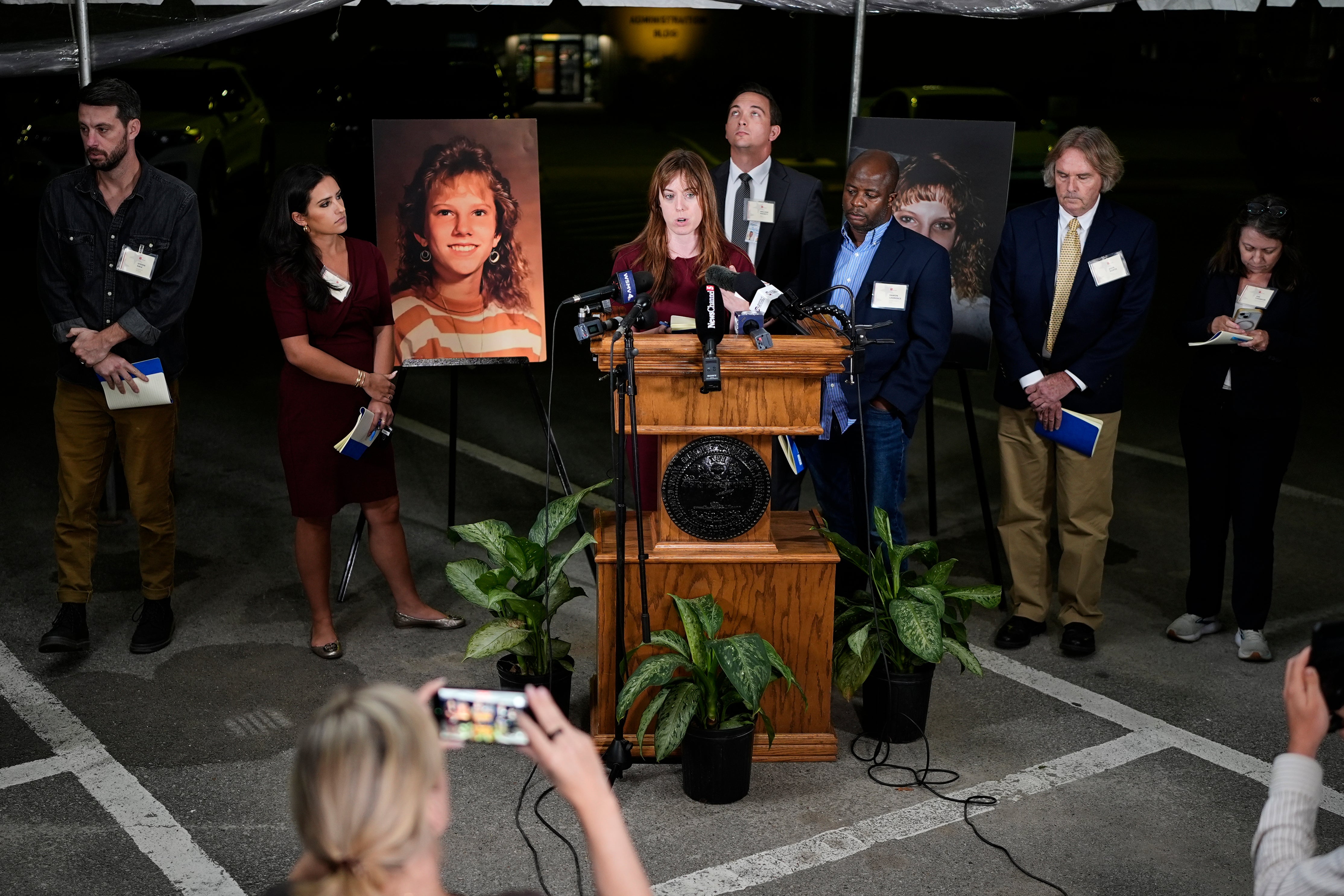
Christa Pike’s account of surviving Tennessee’s failed execution attempt centers on a consequence that extends beyond the execution chamber: persistent physical pain, emotional distress and isolation. In a statement released to Knoxville station WBIR, Pike said she is trying to understand what happened while recovering in a prison medical ward.
“I am searching for meaning in what happened to me,” she said. “There hasn't been a moment since that night when I haven't been in pain.” Pike described pain in her arms, hands and throat, and said she still struggles to speak. “And the pain isn't just physical. There is pain in my mind and in my soul.”
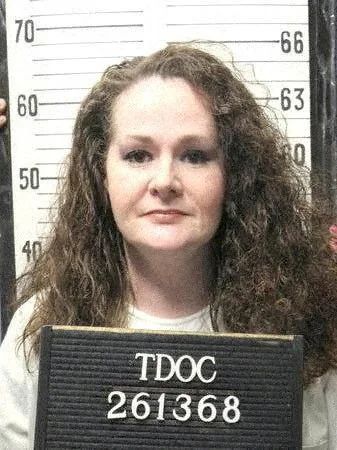
The statement is her first detailed public account of the weeks after the September 30 attempt at Riverbend Maximum Security Institution. Pike, 50, received two doses of pentobarbital before officials halted the procedure. She was taken by ambulance to a hospital, where she remained for several days. She was discharged on October 10 and returned to the Debra K. Johnson Rehabilitation Center in Nashville, where she continues to receive medical care.
Survival brought a future she had not planned for
Pike said she entered the execution chamber expecting to die. In her statement, she recalled making peace with that prospect and thanking the people who had supported her. She said she had not considered what life after that night might look like.
“Several days later I woke up alone in a hospital confused and in pain,” she said. “I had not contemplated life beyond that night, and I’m deeply hurt by the incompetence that has put so many people in this terrible position.”
Her description points to the disorienting gap between preparing for death and waking up in hospital care. Pike said she is getting stronger, but drew a distinction between physical recovery and feeling well: “Healing is not the same as being okay.”
Questions about how the execution was carried out have also followed the failed attempt. Pike’s attorneys say staff struggled to place the intravenous line needed to administer the drugs. One of her lawyers said they used about 10 needles while trying to find a vein. Media witnesses reported hearing snoring sounds after the second dose, as Pike’s attorneys sought emergency medical intervention. Officials eventually stopped the procedure and sent her to hospital.
The state had scheduled Pike to become the first woman executed in Tennessee in more than 200 years. The attempt ended with her alive and hospitalized. Pike’s statement does not resolve what happened medically during the procedure, and her future health remains unclear.
Isolation compounds the recovery
Pike said the conditions of her recovery have added to her distress. She has spent much of the time isolated in the prison’s medical ward, away from the everyday human contact she says matters to her. That experience recalls the 28 years she spent in solitary confinement before the execution attempt.
“Much of what I am experiencing today is a repeat of that condition,” she said. Her account presents isolation as a continuing part of the aftermath, alongside her physical symptoms. She thanked the first responders and hospital staff who cared for her, saying they treated her with “compassion, dignity and respect.” She also credited her attorneys and supporters with standing by her.
Pike said messages and prayers from people around the world have helped her find strength. “To know that so many people care about me, that they see me as a human being whose life matters, is something I cannot fully put into words,” she said.
The case and the victim’s family remain part of her account
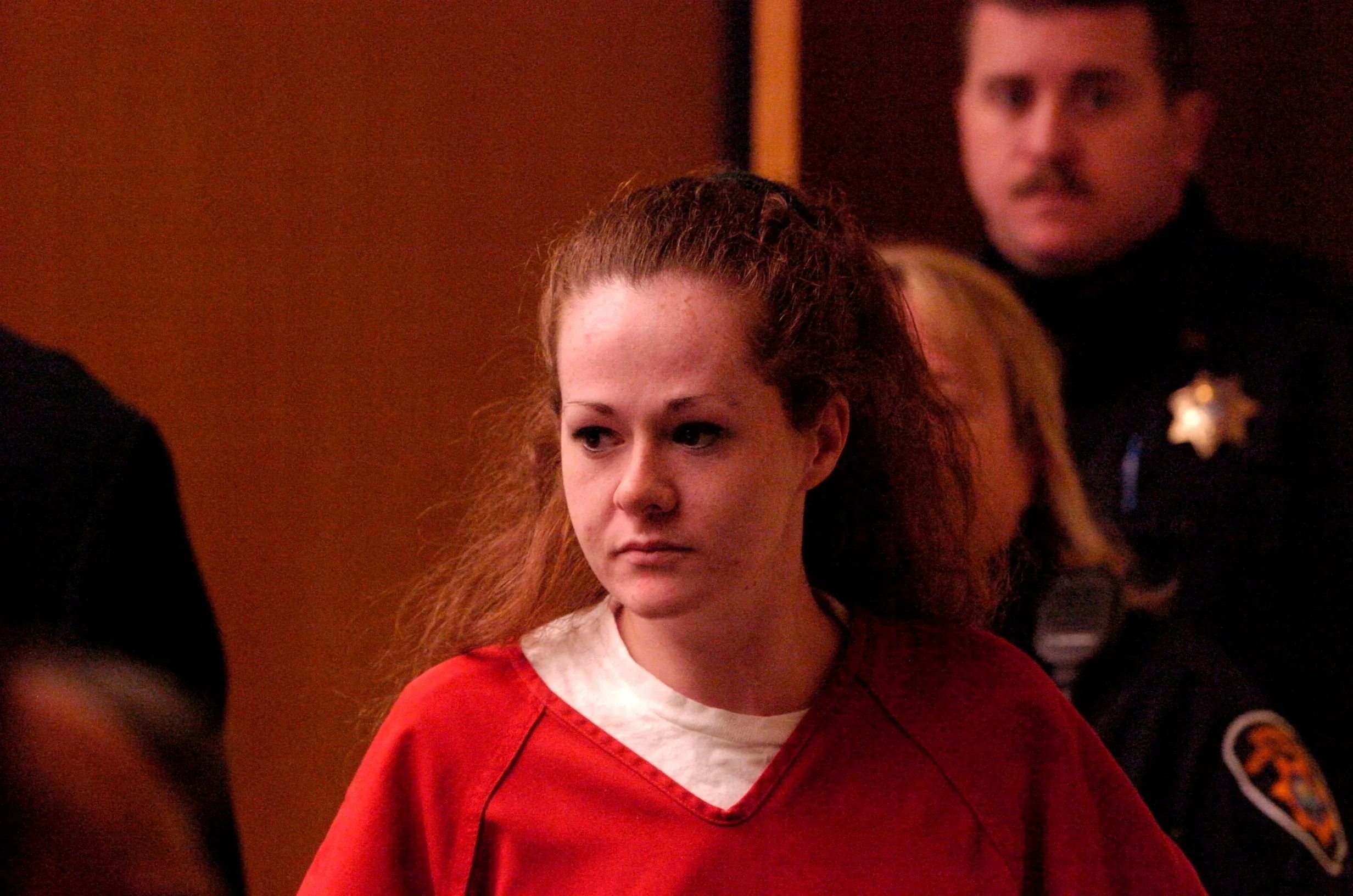
Pike was sentenced to death in March 1996 for the 1995 murder of 19-year-old Colleen Slemmer, a fellow student at a Job Corps center in Knoxville. Pike was 18 at the time of the killing. She and her boyfriend, Tadaryl Shipp, who was 17, lured Slemmer into a wooded area, tortured her and killed her.
Shipp remains in prison. He was denied parole in October and is not eligible for another review until October 2031. Pike said she continues to think about Slemmer’s family and “the terrible pain and loss they have endured.”
In the weeks after the failed attempt, Tennessee Governor Bill Lee halted the state’s remaining scheduled executions for 2026 and ordered a review of the incident. Pike’s attorneys have asked for her death sentence to be commuted to life imprisonment. The state has not clarified whether it will attempt to execute her again, and Pike said she does not know what comes next.
Her statement ends without a resolution. “Some days, finding hope is harder than others,” she said. For now, she is focusing on recovery “one day at a time,” while holding on to the support she has received. The immediate picture is of a person coping with ongoing pain and limited contact with others; what follows medically and in her case remains uncertain.