A viral spectacle on two wheels
The appeal of Lime bike jousting is easy to see: it turns an ordinary London street ride into a noisy public spectacle, with familiar hire bikes recast as medieval mounts. Andy Deane, captain of the Royal Armouries jousting team in Leeds, says the format qualifies as jousting, while also pointing to the practical risks of trying it in a park. That combination is part of the story: the event borrows the look and theatre of a historic sport, but takes place on equipment and terrain that weren’t designed for it.
Artist Jack Carden and actor Camtholomew the First are due to stage a rematch on Saturday, at a location they haven’t announced. Their first duel drew hundreds of spectators to London Fields after footage spread on social media. The crowd and the online response helped turn a brief encounter into a repeat event, though the details of where it’ll happen remain unclear.
The pair rode Lime’s bright green bikes in chain mail, cloaks and full armour, carrying striped jousting poles. They’ve since promoted the rematch on their social media pages. The contrast is the point: recognisable medieval costume and props set against a modern shared bike, in a format that’s easy to understand even for people who’ve never watched a formal joust.
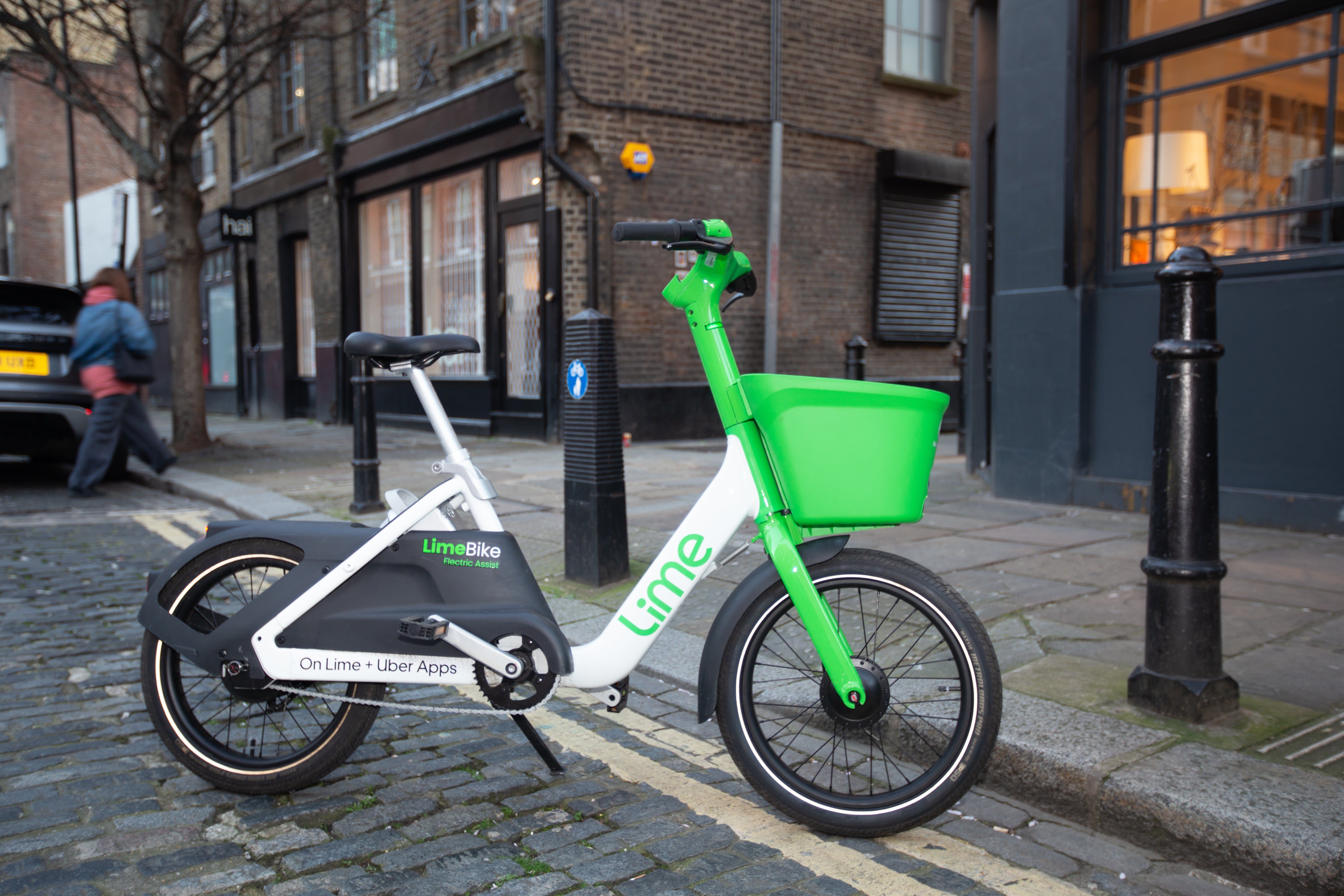
Lime responded to the first duel by saying that, while it appreciated the “medieval spirit”, safety had to come first. Its bikes, the company said, were “not for jousting”, and it discouraged riders from attempting similar events. That distinction matters: Deane’s view that the activity fits the broad idea of jousting doesn’t amount to an endorsement of using hire bikes this way, or settle questions about how safely it can be staged.
A sport built around spectacle
Deane, who has jousted for 33 years and travelled across Europe, Asia, Canada and the US to perform and teach, sees a long history of unconventional mounts behind the idea. His experience gives him a practical basis for judging the performance, but his historical examples also make a broader point: jousting has taken different forms, and a horse isn’t the only possible way to create the contest’s central drama.
“This is absolutely a legitimate form of jousting,” he said. He cited historical images of piggyback jousting from the 14th and 15th centuries, as well as jousts on water, with competitors rowing towards each other and riders carrying lances and shields. “So bicycles – absolutely the way to go. Certainly if you can’t afford a horse.” The examples don’t make every improvised version safe, but they do explain why Deane sees the bicycle as an extension of the sport’s performance rather than a category mistake.
The skill, Deane said, lies in controlling the lance and striking a chosen target while moving. That takes practice even under good conditions, because riders need to manage their balance and direction while keeping the pole pointed where they intend. In a park, uneven ground and differences in speed add another layer of difficulty, making coordination harder. The visual simplicity of two riders approaching each other can obscure how much control the act requires.
Still, he believes the London duel captured a central part of the sport: the crowd. “What is a joy to see is that Lime bike jousting is capturing the spectacle of medieval jousting,” he said. Hundreds of people were cheering and laughing, he added. “That’s what jousts are all about. They’re loud, rambunctious, brilliant places to perform.” Deane joked that, if he were 20 years younger, he’d already be on a train to London with his bike. That’s a telling endorsement of the event’s theatrical appeal, even as the practical concerns remain.
The risk behind the show
For Deane, the main danger is being thrown from a horse or bike and landing badly. Armour offers protection, he said, but doesn’t erase the risk. It can cover parts of the body, yet a fall still brings the possibility of impact with the ground, and the way a rider lands can’t be fully controlled. The basic hazard is easy to miss when attention is fixed on the costumes and the crowd’s reaction.
That leaves the planned rematch with two competing draws: the spectacle of a crowd rallying around its favourite knight, and the difficulty of controlling a joust on an uneven surface. Lime has been contacted for comment. The company’s warning frames the central tension clearly: a viral event can be entertaining and recognisable as performance while still involving equipment used beyond its intended purpose.
What the rematch will show
The rematch will test whether the first duel’s appeal can be repeated, but its venue and setup matter as much as the costumes. A park offers an open public setting; it can also bring irregular ground and less predictable conditions. If you’re watching, the safest reading is that this is a stunt with real physical demands, not a casual activity made harmless by armour or humour.
This is more significant than it looks: the event has made an old performance format legible to a new audience by putting it on a familiar city bike. Yet the same simplicity can blur the line between a staged spectacle and something other riders might copy. The crowd is part of the show. So is the risk.

