Microplastics have reached some of Earth’s most remote environments, including Mount Everest, while research continues to find the particles in human tissues. The evidence raises questions about exposure and possible health effects, but it doesn’t yet show how much everyday exposure causes harm.
Particles found high on Everest
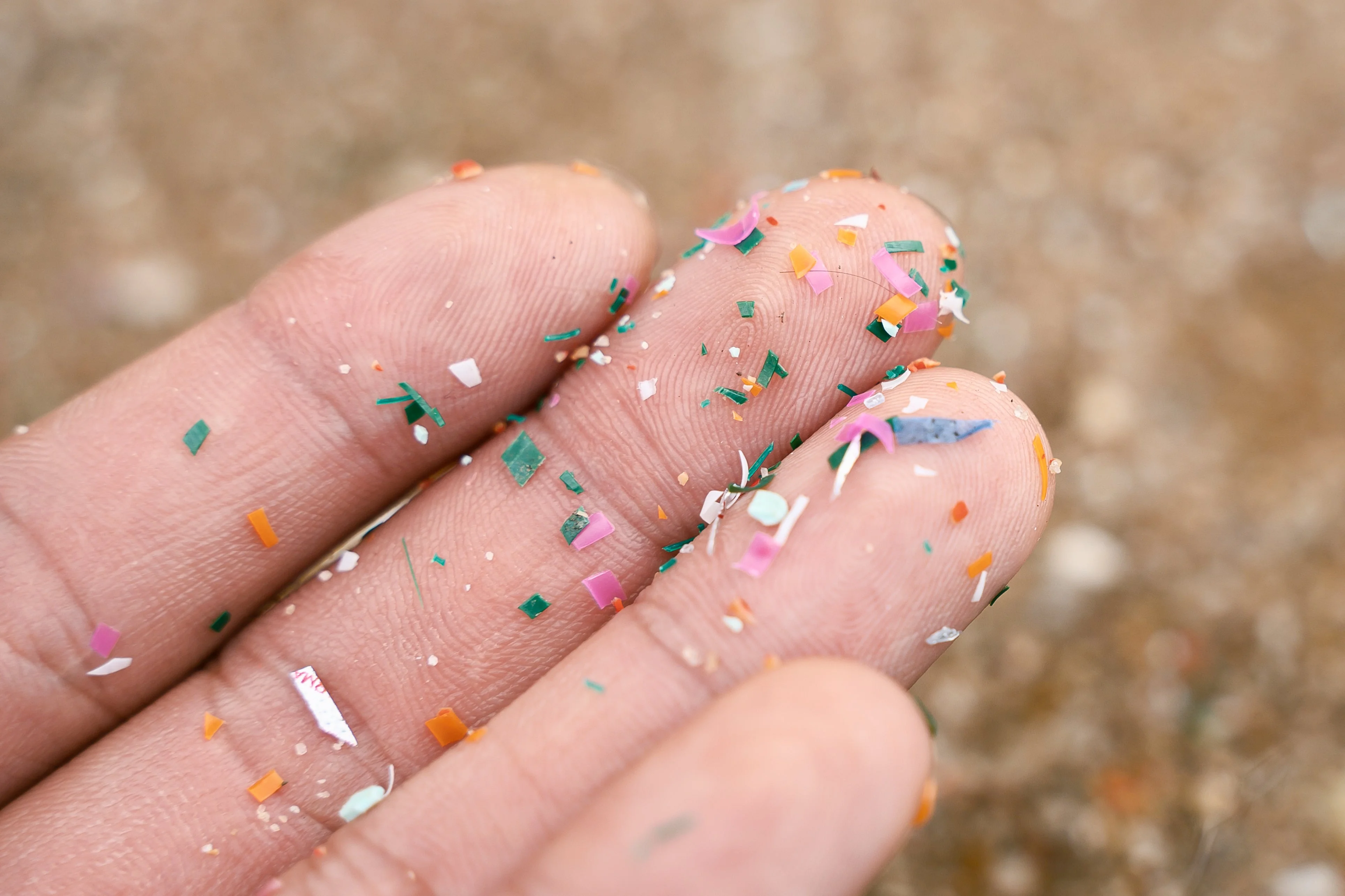
Months of monitoring on Everest’s northern slope found airborne microplastics and nanoplastics arriving throughout the year, according to a Chinese study. Microplastics are plastic fragments smaller than 5mm. They have also been detected in oceans, soil, water supplies and food.
Finding the particles in remote air underscores how widely they circulate. People can take them in through food and drink, and by breathing fibres and particles in indoor dust. Skin contact may be a minor route, Dr Maria Knobel, medical director at Medical Cert UK, told the Independent.
Researchers have reported microplastics in blood, arteries, lungs, placental tissue, brains, livers and bowels. Their presence in the body has prompted investigations into inflammation, DNA damage, hormone disruption and possible links with disease. These findings vary in strength: detecting particles or finding an association doesn’t establish that they caused an illness.
What human studies have found
A 2024 study by Italian researchers, published in the New England Journal of Medicine, detected microplastics in plaques from the carotid arteries of people with early-stage cardiovascular disease. Over three years, participants with particles in their plaques had a 4.5-fold greater risk of stroke, heart attack or sudden death than those without them. The study reported an association; it doesn’t establish that the particles caused those outcomes.
A 2025 study in the Nature found microplastics in the brains of human cadavers. The researchers reported up to 10 times as much plastic in the brains of people who had been diagnosed with dementia before death as in those without the diagnosis. The finding doesn’t settle whether particles contribute to dementia, or whether other factors explain the difference.
The digestive system may affect how much of what people swallow enters the body. Stephen Patrick, an associate professor in medical imaging at UCL, said a healthy bowel lining can limit the passage of particles. Inflammatory bowel conditions, or alcohol consumption that increases gut permeability, may allow more particles through.
Animal studies suggest microplastics can trigger inflammation in the gut. Patrick described a possible feedback loop: bowel disease could increase absorption, while the particles may aggravate symptoms. That mechanism remains an area of research, rather than a settled explanation for human disease.
Links to liver damage and chemical exposure
Researchers studying liver fibrosis and cirrhosis found higher amounts of microplastics in damaged liver tissue and lower amounts in healthy areas. The direction of the relationship is unclear. “It’s not known if there was more microplastics there to start with that caused it or whether it was the unhealthy area that promoted the uptake, but there is a strong association between the two,” Patrick said.
Plastic particles may also carry other substances. Patrick said plastic can absorb chemicals from water, including drugs and metabolic products in wastewater. People who ingest particles may take in some of those attached chemicals as well. He also pointed to older plastic that may contain chemicals such as BPA, which has been associated with changes in reproductive hormone levels.
The source and amount of exposure matter. Research has suggested links between microplastics and several health concerns, but the health effects of the particles themselves—and of chemicals carried on them—remain uncertain.

Reducing exposure at home
Complete avoidance is unrealistic, but experts point to a practical change: don’t microwave or reheat food in plastic containers. Knobel recommends glass or ceramic instead.
A 2023 laboratory study found that microwaving plastic baby-food containers released up to 4.22 million microplastic particles and 2.11 billion nanoplastic particles per square centimetre of plastic after three minutes. Those measurements describe what the containers released in the lab; researchers don’t know how many particles people would actually swallow or what health effects that amount might have.
Patrick also cited a study that found more microplastics in the stools of people who ate more ready meals and takeaways, which often come in plastic packaging. It points to a possible exposure pattern, though it doesn’t show that packaging alone explains the difference.
For now, Everest’s year-round readings offer a clear signal about how far airborne plastic can travel. The health picture is less settled: researchers still need to establish which exposures matter most and whether the particles themselves, the chemicals they carry, or both account for the effects under study.

