A late cancellation with little explanation
The cancellation of Magic Men Australia’s Swansea performance has left the touring group questioning how the decision was made. Headliner William Parfitt says the show was pulled about a week before its scheduled Friday appearance at Brangwyn Hall, after concerns were raised that it was “too raunchy”. That timing gave the company little room to respond publicly or make alternative arrangements for the Swansea date.
Parfitt told the BBC he received only a “vague” explanation from the venue and said neither the venue nor Swansea Council contacted him directly about the cancellation. The group, which is on a world tour, said it hadn’t faced this situation before. For an act travelling between venues, that absence of direct communication leaves basic questions unanswered: what prompted the concern, who made the decision, and whether any discussion about changing the performance took place.
A short notice cancellation can affect more than the performers’ schedule. It can leave ticket holders sorting out refunds or travel plans, while the venue and organisers face questions about how the decision was reached. The available account doesn’t establish the precise sequence of events, so the distinction between concerns being raised and a formal cancellation decision remains unclear.

What the council has said
Swansea Council apologised for the disruption in a statement to the BBC, saying the cancellation followed concerns raised with it. The council has been contacted for further comment. Its apology acknowledges the impact on the audience, but the statement as described doesn’t explain what the concerns were or how they led to the show being withdrawn.
That gap matters. A venue or public authority may have reasons to question whether a performance is suitable for a particular booking, but a brief explanation leaves performers and ticket holders unable to understand the basis for the decision. It also makes it harder to tell whether the disagreement concerned the advertised nature of the show, its planned content, or some other issue. The information available so far doesn’t answer that.
Here's the thing: the process can shape public reaction as much as the outcome. A cancellation may be within an organiser’s control, but vague communication invites speculation, especially when the stated concern is a broad description such as “too raunchy”. That description captures the dispute’s public framing, not a detailed account of what was assessed.
Parfitt’s response and the ticket options
Parfitt challenged the rationale in an Instagram post, asking: “Too raunchy...or is it not raunchy enough?” He later wrote that the group wouldn’t perform in Swansea because its show was apparently considered too raunchy. The remark turns the stated concern into a pointed question about how the show was judged, though it doesn’t provide further detail about the discussion with the venue.
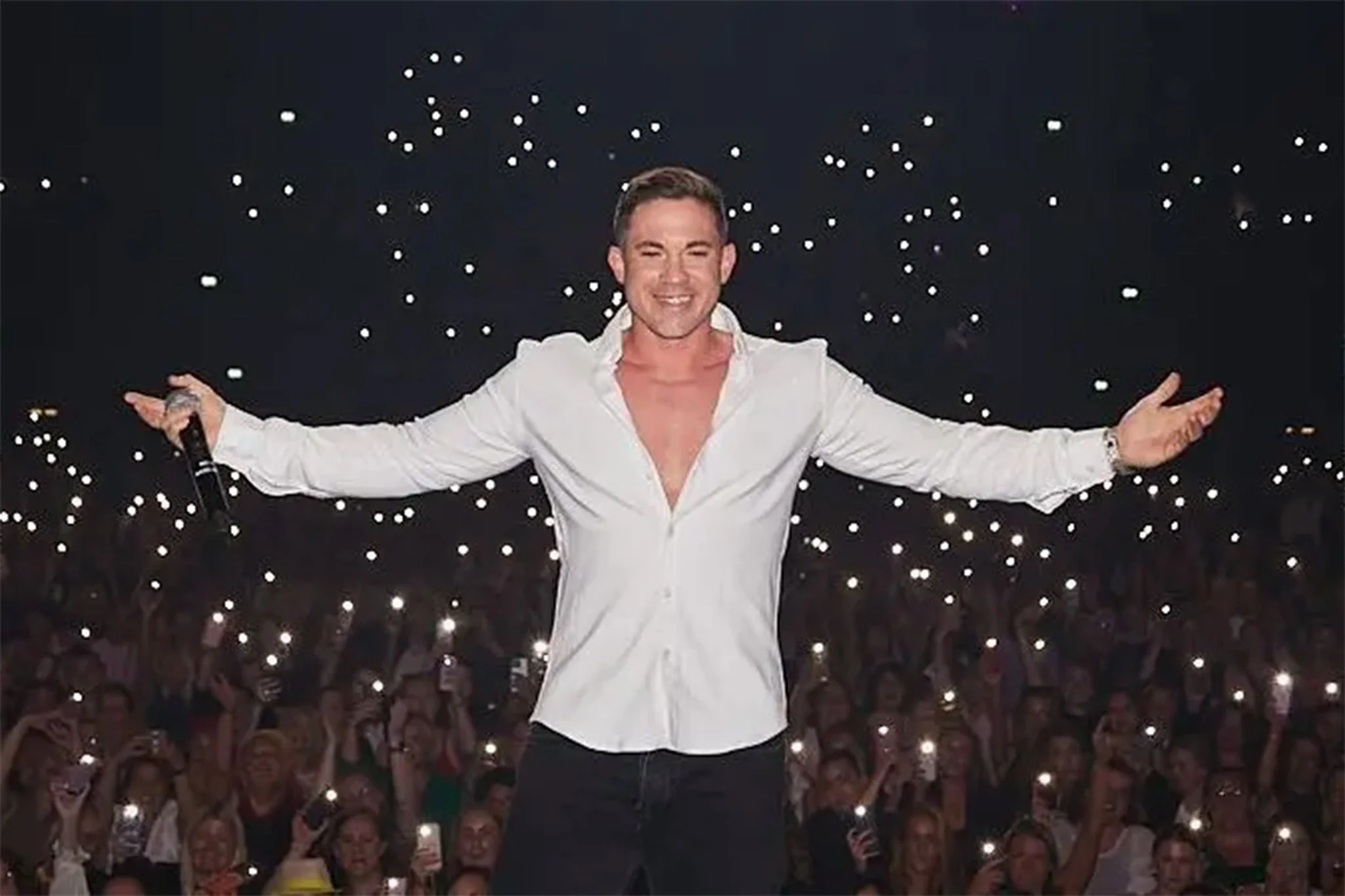
Parfitt called the cancellation “incredibly disappointing” for the performers, who had spent considerable time and money preparing, and for the hundreds of women expecting to attend. He offered ticket holders the option of going to another UK date with a VIP upgrade, saying they could judge the show for themselves. Ticket holders have also been offered full refunds.
Those offers give customers a choice, though travelling to another date may not suit everyone. A refund addresses the ticket cost; it doesn’t necessarily recover other plans made around the Swansea performance. The source doesn’t specify how many ticket holders will take either option, but the two routes at least give them a direct response to the cancelled booking.
Why the handling matters
Magic Men Australia describes itself as the “world’s number one ladies night and male strip show”. The branding signals an adult entertainment format, but it doesn’t settle what the Swansea audience was told to expect or what the venue considered too raunchy. That distinction is central to understanding the dispute, and it remains unresolved in the accounts available.
This is more significant than it looks for touring performers. A show depends on coordination among the act, the venue and whoever manages the booking; when concerns surface close to the performance, clear communication helps each party respond and gives customers a reliable account of what happens next. If you're working in this space, the practical lesson is plain: expectations need to be discussed early, and decisions need to be conveyed directly.
For now, the cancellation raises a practical question for touring performers: when venue concerns can end a date at short notice, clear communication matters as much as the decision itself. And yet. Until the council or venue explains the concerns in more detail, the public account remains incomplete, and the disagreement is still being defined largely through the phrase “too raunchy”.

