The deaths of Oberlin College professor Pipo Nguyen-Duy and his wife, Tran Thi Nam Phong, have shaken a campus community that had only just returned from fall break. The case has been sent to Lorain County Common Pleas Court for grand jury consideration, while the college is making space for students and colleagues to grieve. Those two developments are unfolding at different speeds: the court process will determine how the allegations proceed, while the campus is confronting a loss that reaches beyond the classroom.
The case moves to the next court
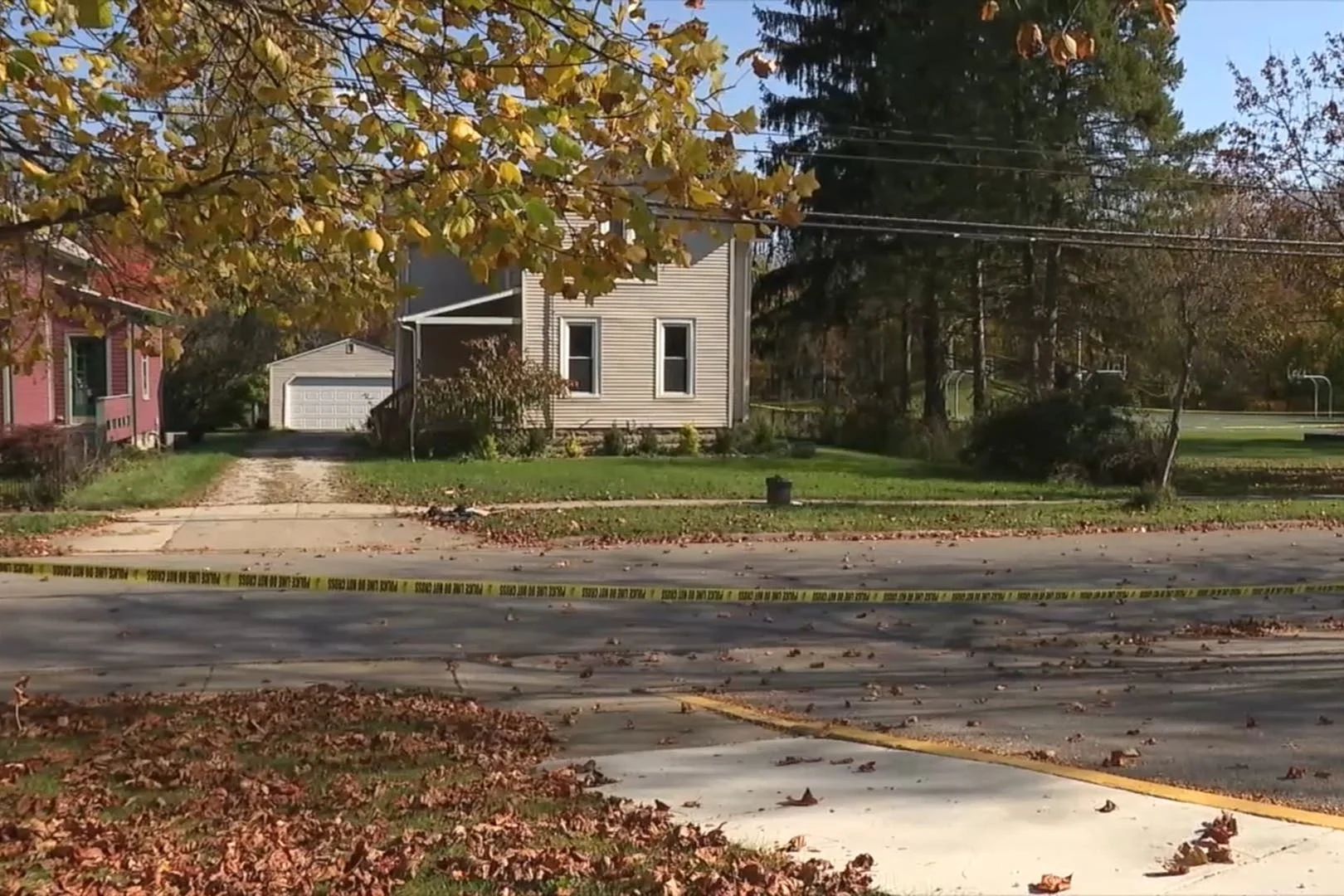
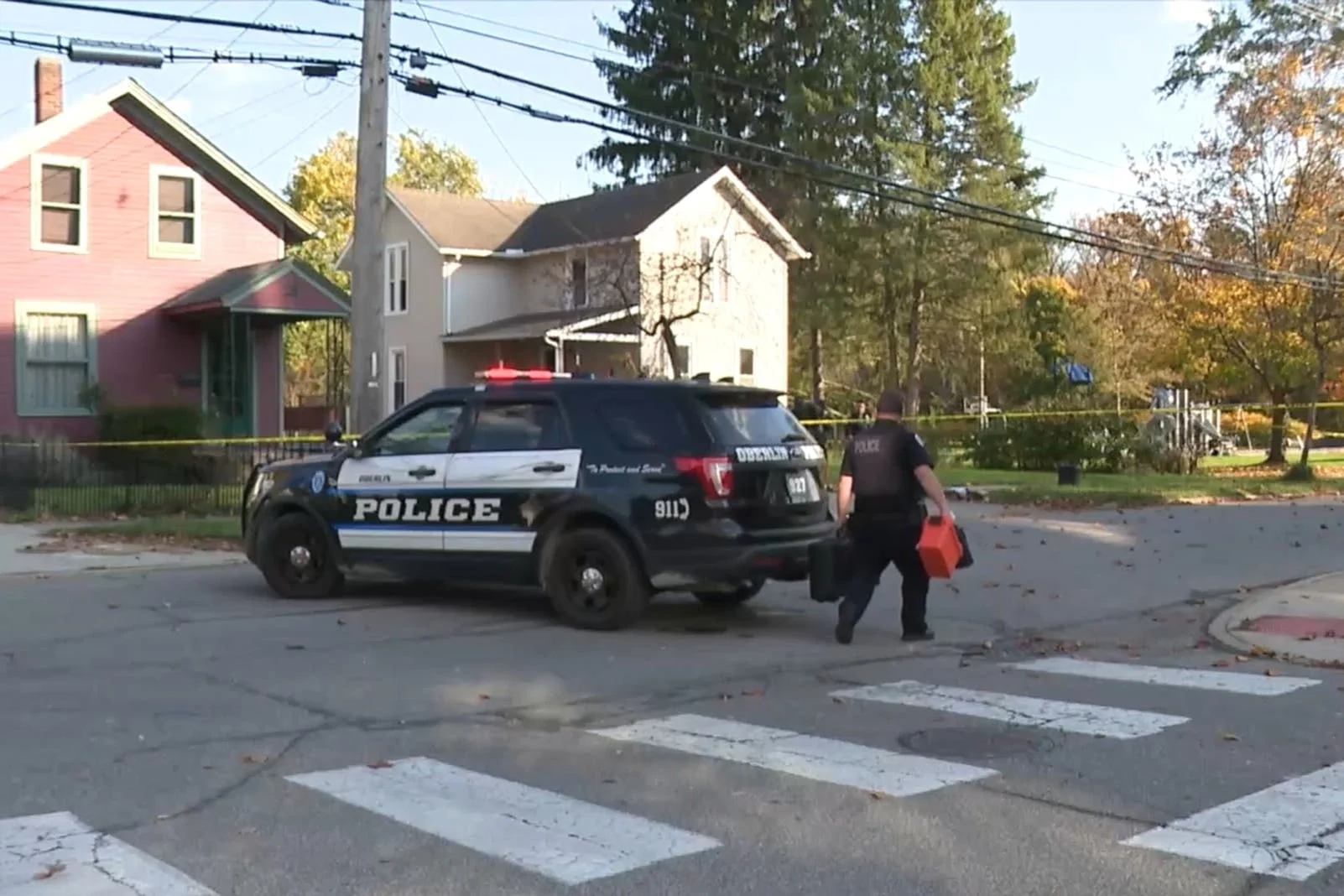
Police found Nguyen-Duy, 64, and Phong, 56, shot inside their home a few blocks from Oberlin’s campus on Wednesday. Nguyen-Duy, a studio art and photography professor, was on the first floor; Phong was on the second. The details in the court record describe the location of each victim, but authorities have not publicly explained what led to the shootings.
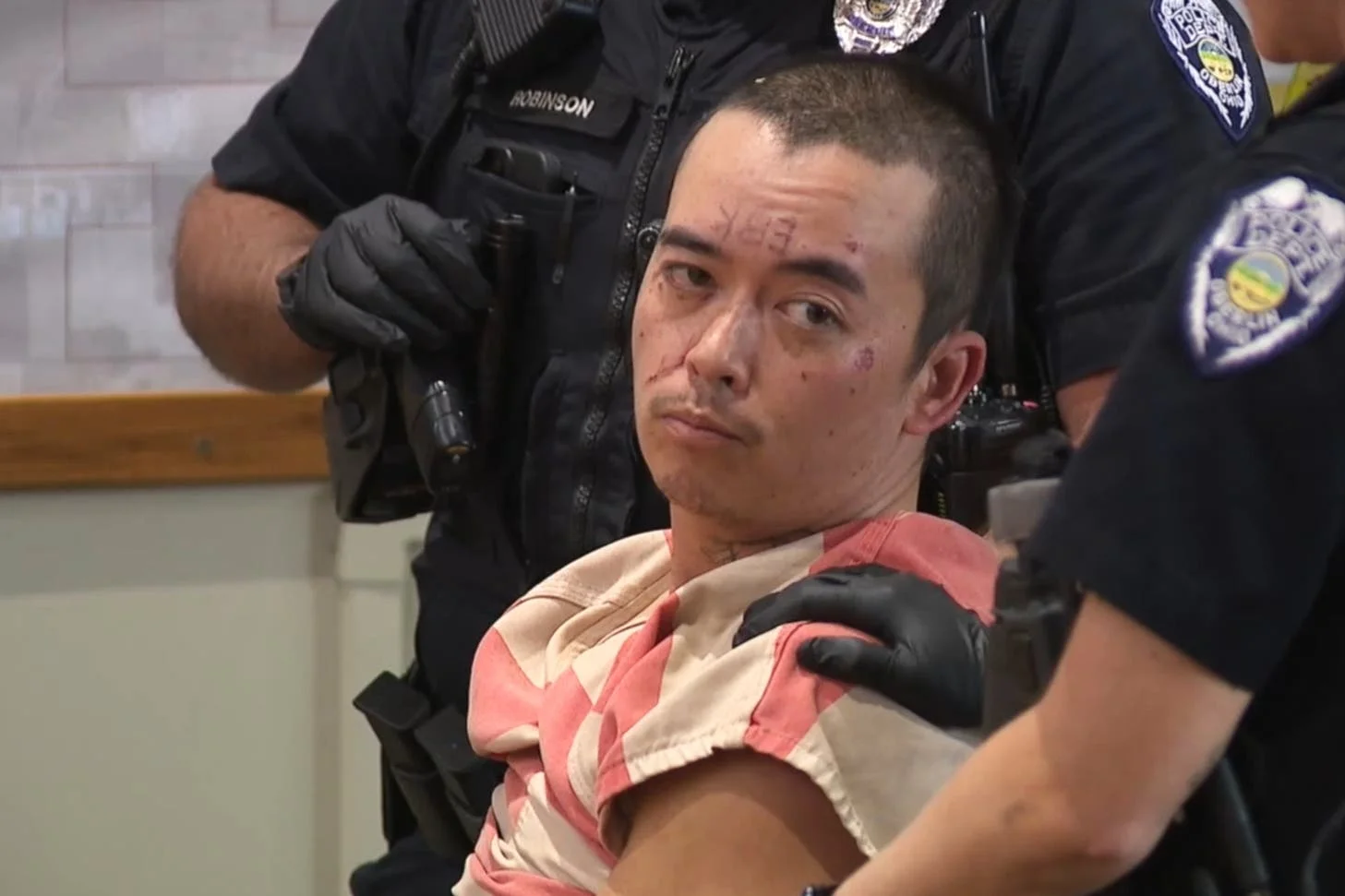
Their 31-year-old child, Asia Nguyen-Duy, who was previously known as Daniel Jones and lives in Ashland, Oregon, was arraigned Thursday on murder, felonious assault and evidence-tampering charges. The accused is being held in Lorain County Jail on a $3 million bond. The charges mark the start of a court process in which the allegations will be considered; they are not, by themselves, a finding of guilt. Authorities have not disclosed a motive.
Police were led to the home after finding a car set on fire near the college’s conservatory of music. Identification in the vehicle listed the name Daniel Jones. In court, Oberlin City Prosecutor Zachary Simonoff said the accused had confessed and directed authorities to the home of their father and stepmother. The reported sequence connects the vehicle investigation to the discovery at the residence, though the available account leaves many questions about the events unanswered.
The defendant told the court they are gender neutral and no longer use the name Daniel Jones. Simonoff also said the defendant’s mother had contacted police, describing her child as “currently psychotic” and saying they needed medication. That statement is part of what was presented in court; it doesn't establish a motive or settle questions about the defendant’s condition. A message seeking comment was left with the accused’s attorney.
Campus responds to the loss
The killings have prompted changes to studio art classes, which were paused or modified. Oberlin’s campus art museum put Nguyen-Duy’s photography on display as a place for students, alumni and collaborators to gather. The college is also planning a memorial tribute. These steps give the community places to meet and remember, while recognizing that students and colleagues may need different kinds of support as they process the news.
Oberlin and regional institutions, including the Museum of Contemporary Art Cleveland, have opened online spaces for people to share memories and condolences. Digital tributes can reach people who aren't on campus and preserve personal recollections that might otherwise remain private. They also sit alongside the more immediate work of adapting classes and making room for grief during an academic term.
Nguyen-Duy joined Oberlin in 1998. College president Carmen Twillie Ambar described the moment as “a deeply challenging moment for our community.” In an open letter, she wrote: “Tragedies such as this one intrude upon our lives in jarring ways. I am simply overwhelmed with sadness, and I am deeply concerned about the impact of the devastating loss of Pipo to our community.” The college’s response reflects the particular weight of losing a faculty member whose work and teaching were woven into campus life over many years.
A career shaped by migration and memory
The Guggenheim Foundation also paid tribute to Nguyen-Duy, a 2011 photography fellow. It said he immigrated to the United States from Vietnam in 1975 and began making photographs in his late 20s. He studied economics at Carleton College, then earned a master’s degree and a master of fine arts degree from the University of New Mexico at Albuquerque. That path brought together an education in economics and sustained work in photography, a combination that resists reducing his career to a single biographical detail.
“In his wide-ranging body of work, Nguyen-duy considered immigration and emigration, intimacy, abandonment and decay, cultural assimilation, and the cost of war,” the foundation wrote on Instagram. Those subjects point to an artistic practice attentive to how private lives meet larger histories. The themes also give added context to the decision to show his photography on campus: the work offers a way to remember the artist through what he made, as well as through the relationships he built.
What the next weeks mean for Oberlin
For Oberlin, the immediate work is both institutional and personal: supporting a community in mourning while the case proceeds to a grand jury. That is a difficult balance, because court proceedings move through formal steps while grief has no comparable timetable. Here's the thing: a memorial can mark a loss, but it can't resolve the uncertainty students and colleagues may feel as they return to classes and routines.
If you're working in this space, the response is a reminder that a campus is both a workplace and a community of relationships. The interruption to studio art classes, the museum display and the planned tribute each address a different part of that reality. And yet. The institution's actions can make room for people to gather; the coming court process will answer a separate set of questions.
This is more significant than it looks. Nguyen-Duy's long tenure and the subject matter of his photography mean the loss is felt not only as the death of a professor, but also as the silencing of an artistic voice with a distinct record of work. (And this is the part most people overlook: the public memorials preserve only a slice of what colleagues, students and family members knew.) The case will continue through the courts, while the campus's work of remembering will continue on a more personal and less predictable schedule.

