The US decision to send non-emergency staff and their families out of Saudi Arabia signals how sharply Houthi attacks have raised risks for people and infrastructure across the kingdom. The embassy in Riyadh said employees were instructed to depart on 23 October, citing safety concerns after a series of strikes. The order is a practical response to deteriorating security, and a visible sign that normal diplomatic operations are being constrained.
Such departures typically distinguish between essential personnel, who remain to maintain core functions, and staff whose work can continue elsewhere or pause. That distinction doesn’t remove the danger facing people who stay. It does show how governments manage a worsening threat when they can’t assume that transport routes, workplaces or public facilities will remain accessible.
Recent attacks have targeted civilian airports, hospitals and other critical facilities. Saudi authorities said Riyadh’s international airport reopened on Sunday after a strike that killed at least 13 people and injured hundreds on 10 October, the deadliest attack in the kingdom in more than a decade. Another barrage of drones and missiles was intercepted that day, underlining how an attack can involve both damage and attempted follow-on strikes.
The airport’s reopening restores an important connection for residents, visitors and diplomatic staff, but it doesn’t erase the disruption or the security questions raised by the strike. Airports concentrate passengers, transport links and essential services in a single place. When they’re threatened, the consequences can spread well beyond the site itself.
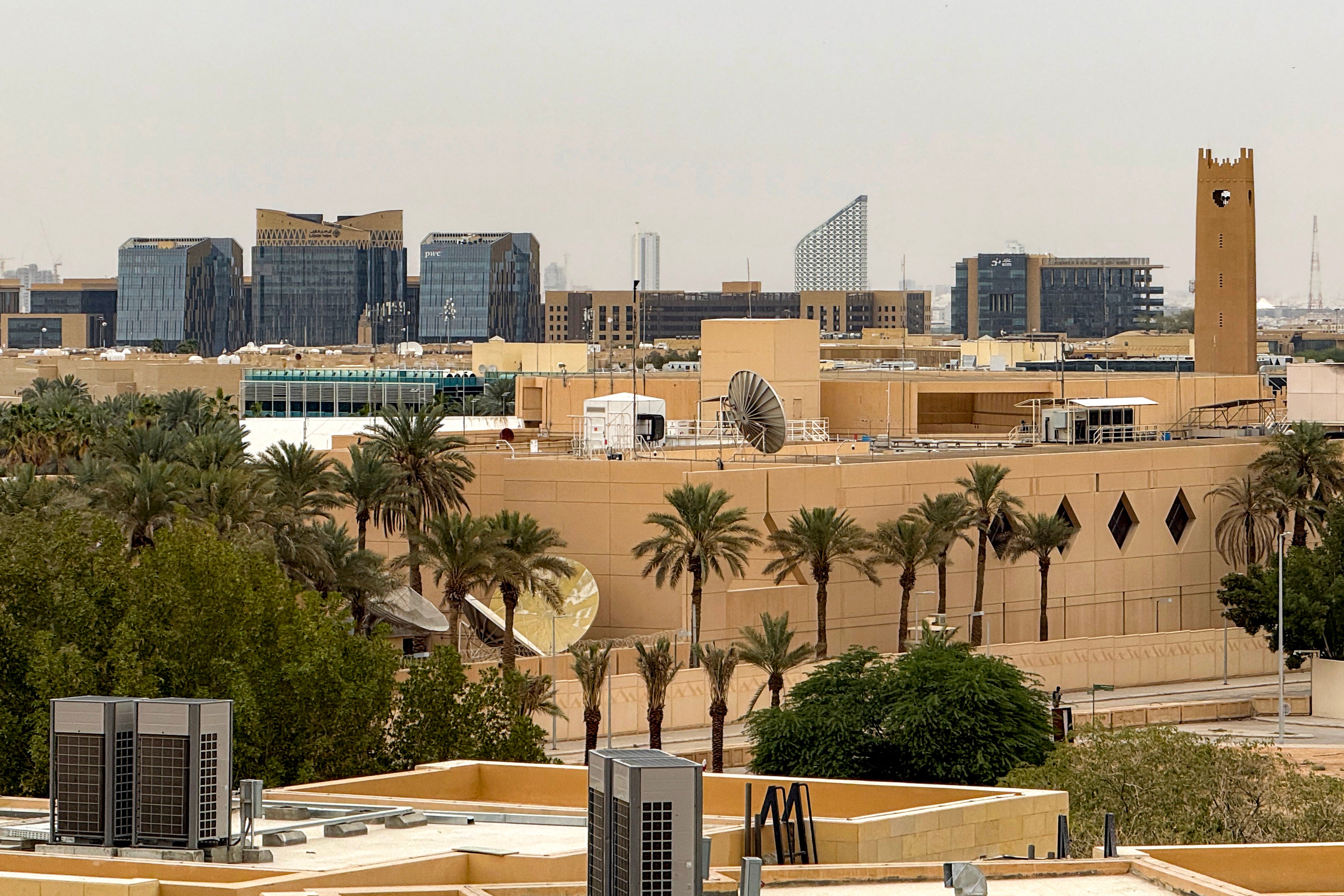
The Houthis, an Iran-aligned armed group based in Yemen, have described Riyadh’s airport as a “military target” and vowed to keep attacking it. Yemen’s government forces also reported Houthi missile strikes on Aden airport and the Maashiq presidential palace complex. The claims and reports point to a campaign that reaches beyond one airport or one national border, with sites tied to civilian movement and government authority both under threat.
Travel and infrastructure under pressure
The embassy warned US citizens to prepare for possible further attacks, airspace closures, cancelled flights and other travel disruptions. US government employees need special authorisation to use Saudi airports following recent missile and drone strikes. That requirement makes travel planning more conditional: a route may exist, but access can depend on official clearance and the security situation at the time.
For travellers, uncertainty can be as disruptive as a closure. Airlines and passengers may have to respond to changing security information, while people trying to leave or reach the country may have fewer predictable options. If you're working in this space, the key point is that operational risk now extends from the target itself to the transport systems people rely on to reach it.
Attacks on energy infrastructure and municipal facilities have also prompted temporary airport closures and heightened security alerts. The fighting between the Houthis and the Saudi-led coalition supporting Yemen’s government has intensified in recent weeks, adding pressure to a region already affected by the wider US-Israeli war on Iran. That overlap matters because governments and transport operators must assess several sources of risk at once, even when the attacks occur in different places.
Critical infrastructure is connected in ways that aren’t always obvious. A disruption at an energy or municipal facility can affect services people need, while heightened alerts can change how airports and public institutions operate (and this is the part most people overlook). The result is a wider burden on routine activity, even when a particular facility hasn’t been struck.
The Houthis have also seized control of the strategic Bab el-Mandeb strait, according to the source article. Analysts cited there say the move is intended to give the group influence over Red Sea shipping while Iran maintains control over the Strait of Hormuz, raising oil prices and complicating Washington’s efforts to contain the crisis. The significance is the potential for pressure at two important maritime chokepoints to compound concern over land-based attacks and air travel.
Washington’s response remains uncertain
President Donald Trump has not committed to striking the Houthis in support of Saudi Arabia. Some experts argue US intervention may be needed to loosen the group’s hold on the Red Sea. That debate reflects a familiar problem in security policy: military action might be proposed as a way to reduce a threat, but the source material offers no settled assessment of what intervention would achieve or what consequences it could bring.
For now, the staff departure and airport restrictions show how the campaign is already disrupting diplomatic operations and civilian travel, even without a declared US military response. The immediate effect is concrete: fewer embassy staff on the ground, tighter controls on official movement and warnings for US citizens to prepare for further disruption. This is more significant than it looks. It shows how a conflict can alter daily access and institutional presence before Washington decides whether to widen its role.
What this means for you depends on whether you’re travelling, working in the region or tracking the conflict’s effects on shipping and infrastructure. The available facts support caution about continuity: airport operations have been interrupted, further attacks have been threatened, and the embassy has told citizens to expect possible closures and cancellations. For now, the outlook is uncertain. The next signal may come not from a formal policy announcement, but from whether essential travel and public services can keep operating under repeated threat.

