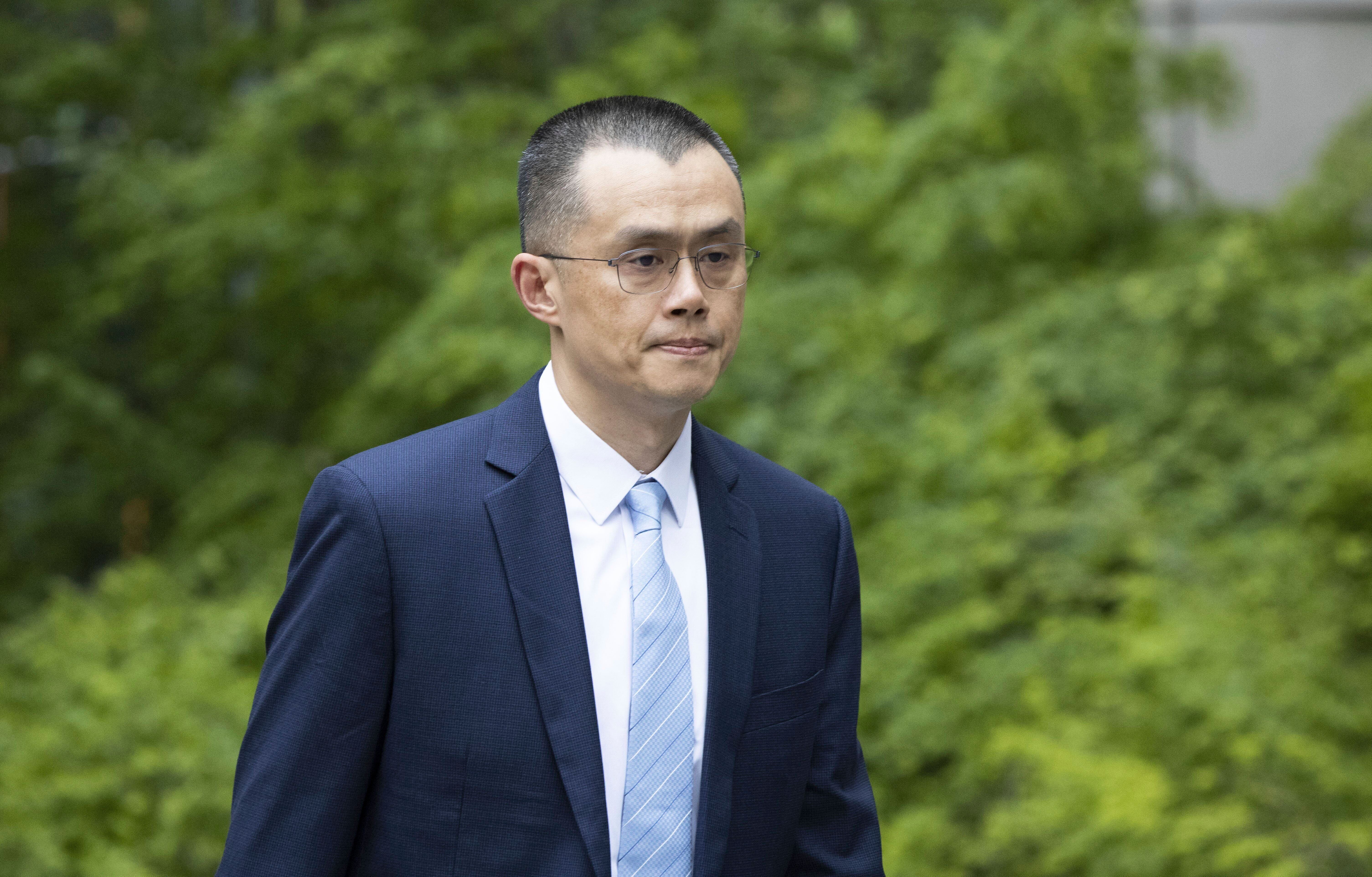
Binance has spent years facing questions about its role in crypto crime. Now the world’s largest cryptocurrency exchange is dealing with a theft that could reshape how users judge its ability to protect their assets: blockchain intelligence firm TRM says a group likely tied to North Korea stole an estimated $6.3 billion in bitcoin from customers.
Binance said it was working with blockchain partners to freeze about $3 billion in affected assets and begin recovering funds. Founder Changpeng Zhao posted on X that “User funds are safe!” The scale of the reported theft, and the gap between the estimated loss and the assets being frozen, make the recovery effort the immediate test for the exchange.
From online exchange to industry giant
Zhao founded Binance in 2017 as an online marketplace where users could trade bitcoin, ether, stablecoins and other digital currencies. The company has no public-facing headquarters, and its ultimate ownership has largely remained unclear to outsiders.
Zhao, who moved with his family from China to Canada, first established Binance in Canada. After a crackdown on crypto there, the company moved to Japan and later shifted its operations across several locations. It also explored expansion in Jersey and Malta.
Binance grew through acquisitions and business deals, including buying a major cryptocurrency wallet, backing a stablecoin and working with an Israeli payments processor. It outpaced competitors such as Coinbase and FTX in trading volume. Forbes has estimated Zhao’s wealth at more than $100 billion.
That expansion also brought scrutiny. As crypto trading gained broader attention, market failures and scandals—including the 2022 collapse of FTX, founded by Sam Bankman-Fried—put exchanges under pressure. U.S. authorities pursued Binance over alleged violations of financial rules and its handling of suspicious activity.
A troubled record adds context
U.S. financial institutions are required under the Bank Secrecy Act to identify customers, monitor transactions and report suspicious activity. In 2024, Zhao became the first person sentenced to prison after pleading guilty to violating the law. He stepped down as Binance CEO, expressed contrition and served four months in jail.
Authorities’ allegations included Binance allowing hundreds of millions of dollars in virtual currency trades between users in the United States and Iran, and failing to report suspicious transactions involving groups including Hamas’ Al-Qassam Brigades and al-Qaida.
Zhao’s later pardon by President Donald Trump added a political dimension to the company’s public image. Trump, once a crypto critic, became an industry supporter. Binance and Zhao backed some Trump family crypto ventures, including World Liberty Financial. The source article also reports millions of dollars in campaign donations and inauguration funding.
Trump pardoned Zhao in October, saying his predecessor had treated him unfairly. Binance denied that its support for Trump-related ventures had anything to do with the pardon. “Any claim of a quid pro quo by Binance or CZ, or preferential financial treatment by Binance, is a clear misstatement of the public record,” attorney Teresa Goody Guillen told The Associated Press. The White House described Zhao’s punishment as part of what it called “The Biden Administration’s war on crypto.”
Recovery is the next measure
TRM said the theft was most likely carried out by TraderTraitor, which it identified as an elite North Korean hacking unit. Experts say North Korea has repeatedly used crypto theft to obtain foreign currency despite international sanctions, and South Korea’s spy agency considers hackers from north of the DMZ among the world’s most capable.
For Binance, the incident turns a familiar criticism on its head: the exchange accused of enabling illicit crypto activity is now trying to recover assets stolen from its own users. Its ability to trace and freeze funds may limit losses, but the reported haul makes clear how much depends on coordination across the wider crypto ecosystem.

