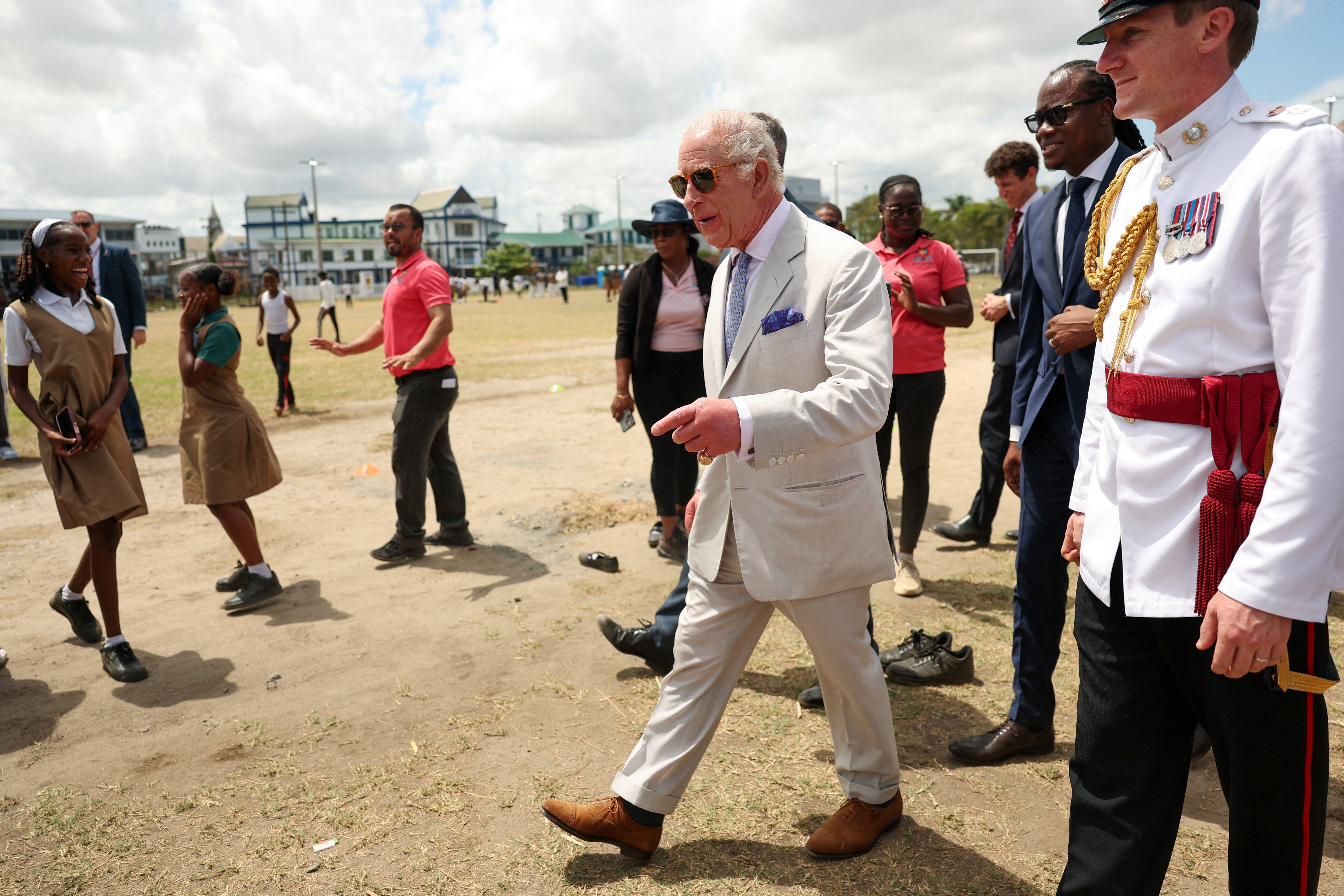
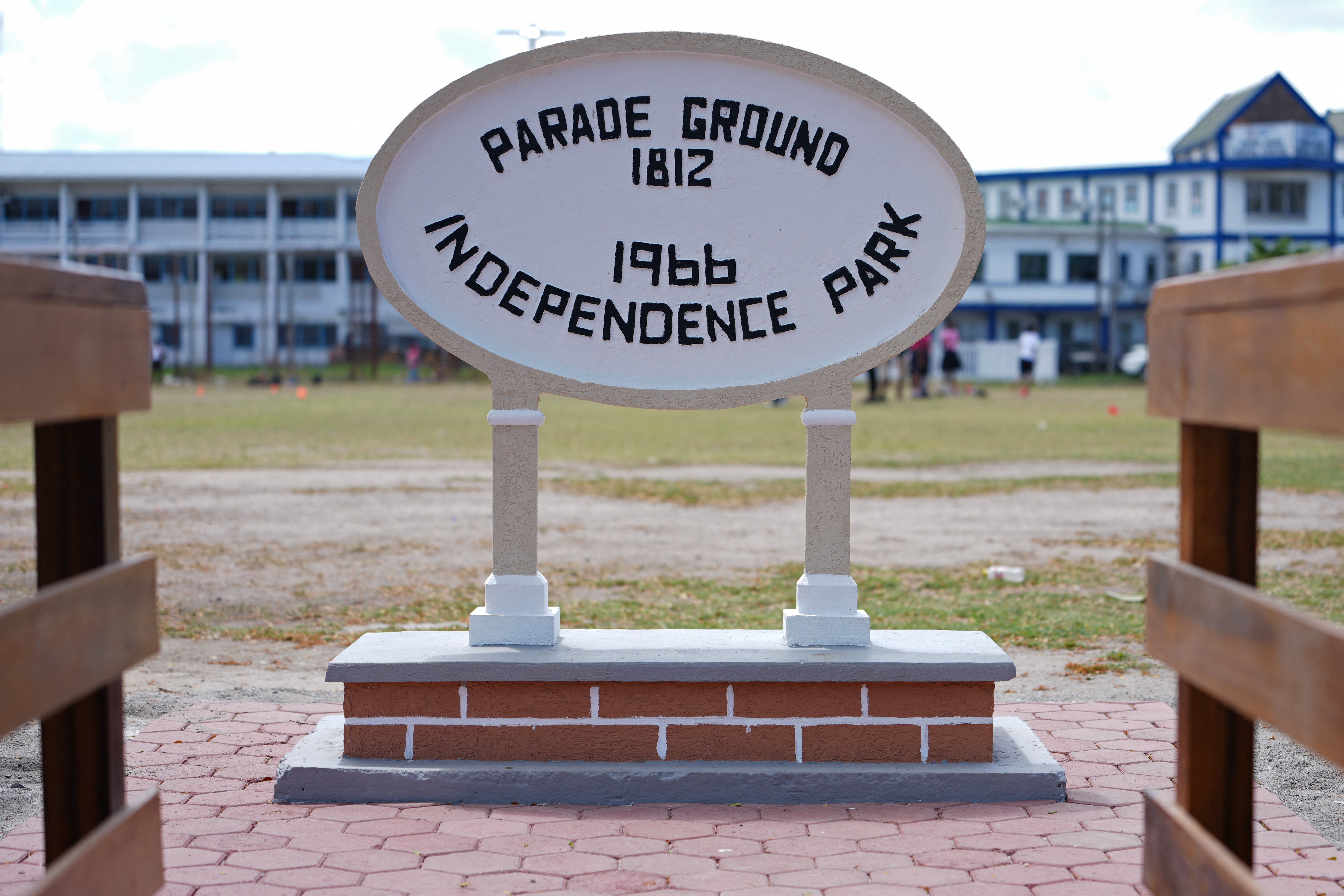
The site of one of the largest uprisings against slavery in the British colonies is now part of a public park in Georgetown. During his Guyana visit, King Charles stood there as schoolchildren played nearby, facing a plaque that commemorates 33 people hanged after the 1823 Demerara Rebellion.
The visit brought the history of the uprising into a current debate: Caribbean leaders are pressing Britain to apologise and address the legacy of its role in the slave trade. Charles opened his nine-day tour on Tuesday with a speech at a youth rally in the Bahamas, where he acknowledged the “great suffering of the past”. He is due to open a Commonwealth summit in Antigua next week, where slavery’s legacy will be discussed.
Guyana’s culture minister, Steven Jacobs, accompanied the King at Independence Park, formerly a parade ground. Jacobs pointed out the plaque and described the site’s history. Charles listened as he explained how gallows had been erected there.
The rebellion and its aftermath
The uprising began in August 1823 on a plantation owned by Sir John Gladstone, father of future British prime minister William Gladstone. Jack Gladstone, an enslaved man named after his owner, rang the plantation bell to signal the revolt.
His father, Quamina, was a carpenter on the estate and a deacon at a local chapel. He had argued for a peaceful strike, but colonial forces crushed the rising and hundreds of people were killed. Quamina was hunted down and killed the following month. His body was displayed outside the plantation as a warning; he is now recognised as one of Guyana’s national heroes. Jack Gladstone was sold and sent to St Lucia.
Calls for acknowledgement and repair
Guyana’s president, Mohamed Irfaan Ali, said before the visit that Charles had recognised slavery as among the darkest periods in human history. An apology, Ali argued, would be “the next step”. Charles said in 2023 that he was on a personal journey of discovery and seeking to “deepen my own understanding of slavery’s enduring impact”.
Terrence Campbell, a member of Guyana’s A Partnership for Unity Party, said police stopped him and a small group of activists from protesting for reparations near Independence Park. The group later demonstrated outside a building where Charles was meeting Indigenous leaders. Their placards read: “No apology will return what was stolen reparations now”.
Campbell said the King could exert “moral persuasion” if he spoke more forcefully in Britain and at the Commonwealth Heads of Government Conference. “I think that he can use moral persuasion to move the needle, the needle of the British government, the needle of the other colonial powers, on this important issue of reparations,” he said.
Charles acts on the advice of his ministers. The British Government has not advised him to offer an apology or reparations, in keeping with its established policy.
During the King’s two days in the Bahamas, Prime Minister Philip Davis was asked by Sky News about an apology. Davis said that decision was personal to Charles and would follow advice. He also described repair as something broader than direct payments: “For me, repair and reparation is not absolutely money, simply, money.” Acknowledgement, education and training were among the forms he named.
The Georgetown visit put a specific place and history at the centre of a debate that continues across the Caribbean: what acknowledgement should mean, and what repair might involve.

