A commission shaped by observation
Jonathan Yeo’s assignment as official artist on King Charles’s Caribbean tour gives him a different brief from the portrait that brought his work to a wider audience. Rather than begin with a fixed likeness or a finished composition, he’s collecting impressions of the trip as it unfolds. The finished images will take shape later, after a planned conversation with the King about what Yeo has seen and what he intends to make of it.
“It’s a great honour and lovely to be asked,” Yeo said. The freedom to interpret the visit also brings uncertainty, he added: “you don’t quite know exactly what the end results are going to be.” That uncertainty is part of the assignment. An artist asked to record a tour has to decide what deserves attention: a formal occasion, a passing exchange, a place, or the atmosphere around an event. The brief leaves room for judgment, but it also means the work’s eventual shape can’t yet be assessed.
Charles has commissioned and privately funded artists to record impressions of his overseas visits for decades. The works don’t have to depict the King, a distinction that changes the task from conventional royal portraiture. Yeo has brought sketchbooks to capture scenes and is also taking photographs to support his work. Those materials can serve different purposes: a drawing may preserve a quick impression, while a photograph can help him return to details after the pace of the trip has moved on.
A working relationship built over four sittings
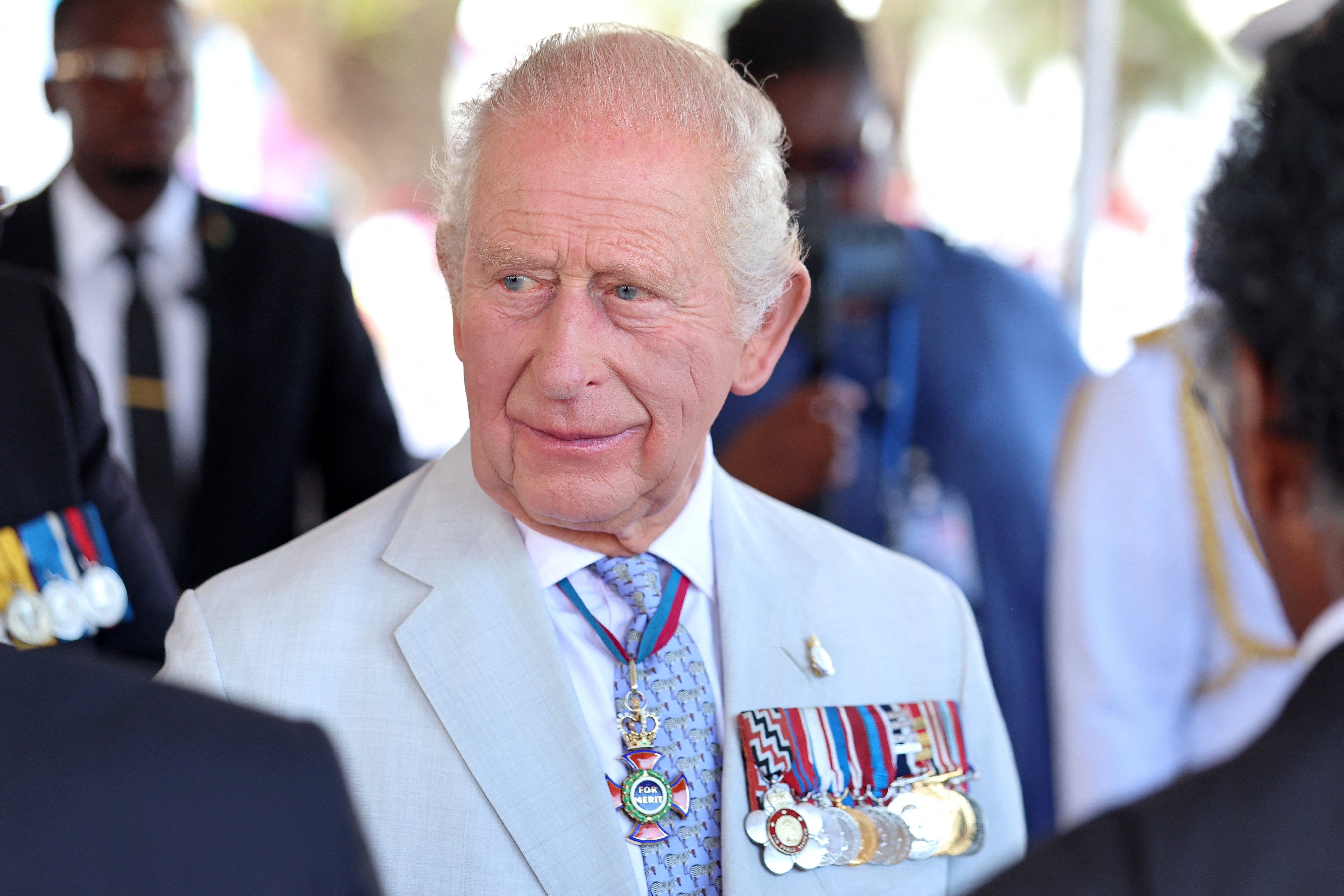
Yeo already knows the King through four portrait sittings, beginning in June 2021 at Highgrove, when Charles was Prince of Wales. Their final meeting took place at Clarence House in November 2023, after Charles had become monarch. That history gives the artist some familiarity with his subject, but this commission asks for a broader kind of attention than a series of studio encounters does.
Yeo said he didn’t need to explain his work at length because Charles is a painter himself and has a strong interest in the arts. The King established the Royal Drawing School to champion traditional techniques at a time when they were out of fashion. For Yeo, that shared interest may make discussion of artistic choices more direct; it doesn’t remove the need to decide what the tour means visually. The final result will depend on how he turns observations made in varied settings into a coherent body of work.
Yeo sensed a change in Charles after his accession, though he was careful not to overstate it. “There was a slight difference in energy,” he said, adding that it might have reflected his own expectations or the way others responded to the King. That qualification matters: Yeo described an impression, not a settled account of how Charles changed. In a portrait sitting, the relationship between artist and subject can shape what gets noticed; on a tour, the surrounding people and protocol become part of what the artist sees, too.
From a celebrated portrait to a new brief
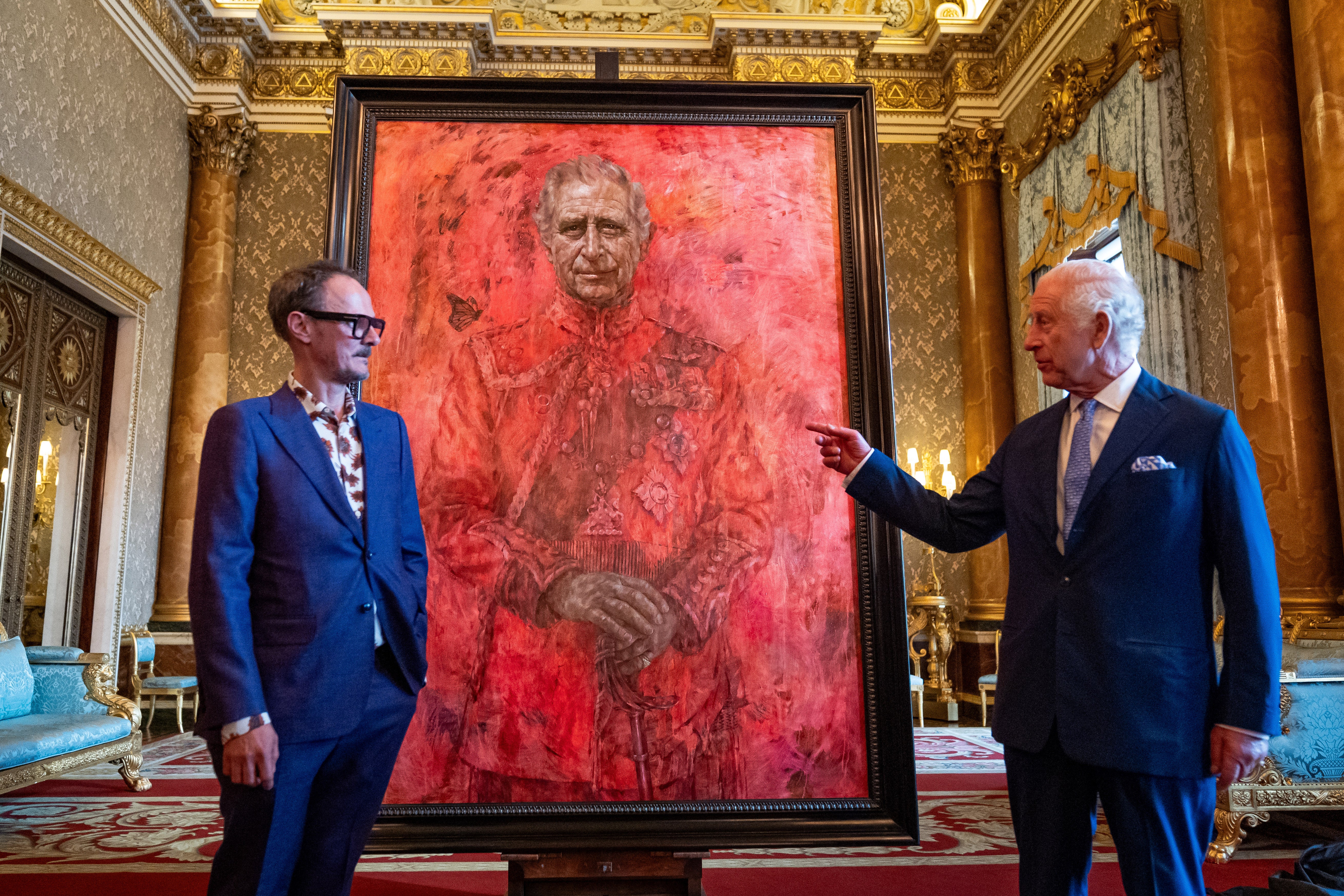
Yeo’s portrait of Charles, painted over two years and unveiled in 2024, shows the King against a red background. Its public profile has brought Yeo a “bigger international audience,” he said. The portrait is now an obvious point of comparison for the tour commission, but it sets a different expectation: one is a likeness developed over an extended period, while the other begins with observations gathered across a journey. This is more significant than it looks. The new work will have to establish its own purpose rather than simply repeat the visual language of a familiar royal portrait.
The artist has also painted prominent figures including the late Duke of Edinburgh, Sir Idris Elba and former prime minister Sir Tony Blair. That range gives some context for his experience with well-known sitters, though the Caribbean commission differs in its emphasis on place and events as well as on an individual. If you’re working in this space, the practical challenge is clear: access to a subject can generate material, but it doesn’t automatically supply a point of view. Yeo still has to choose which moments and details can carry the work.
The new commission asks him to develop a concept for a series of images based on the tour, with the finished works due to be unveiled in the months ahead. Charles’s itinerary has taken him through the Bahamas and a two-day state visit to Guyana, before he travelled to Antigua and Barbuda for a Commonwealth leaders’ summit. The sequence gives Yeo multiple settings and kinds of occasion to consider. The question is how much of that variety will appear in the final series, and how the images will connect when they’re viewed together.

Yeo joked that he owns shirts but no ties, a practical detail on a trip where Charles typically wears a shirt, suit and tie except in extreme weather. The contrast hints at the adjustment involved in observing a royal tour from an artist’s perspective: the artist is present within a tightly organized public itinerary, yet has to look for details that aren’t already defined by ceremony. The tie joke is light, but the working conditions it points to are real. A tour provides access and movement, while also setting a pace that leaves the artist to record impressions before deciding what they mean.
What the debrief will decide
Yeo’s next step is a debrief with the King. “I think the idea is we have a debrief at the end of the trip and have a chat about what I’m planning to do,” he said. That conversation will turn the notes and photographs gathered on the road into a defined artistic direction. It’s a point at which the commission’s open brief may become more specific, though the account so far doesn’t say what images Yeo will propose or how Charles will respond.
That said, the process offers a useful view of how an official artist’s role can differ from making a single commemorative portrait. The tour supplies the raw material; the artist has to make choices about emphasis, composition and what should be remembered. The King’s own interest in painting may make that exchange unusually informed, but it won’t settle the artistic decisions for Yeo.
And yet. The eventual series will be judged by what it makes visible, not simply by the fact that it accompanied a royal visit. A notebook full of scenes and a camera full of references are only starting points. The test will be whether Yeo can turn a busy itinerary into images with a clear perspective, while leaving room for the people and places around the monarch to matter.

